
The Desert Fox Deconstructed: A Critical Analysis of Command, Mythology, and Operational Reality (1941–1943)
Executive Summary
Field Marshal Erwin Rommel occupies a unique space in military history. He is simultaneously the most celebrated German commander of the Second World War and the subject of intense historical revisionism. The post-war narrative, constructed by Desmond Young and B.H. Liddell Hart, paints Rommel as a tactical savant and a chivalrous “Good German” who fought a “Clean War” (Krieg ohne Hass).
However, modern scholarship reveals a dichotomy. While Rommel possessed an unparalleled genius for the tactical level of war—specifically in the integration of anti-tank guns with mobile armor—he was arguably a strategic illiterate whose disregard for logistics and coalition politics accelerated the Axis defeat in North Africa. This analysis deconstructs the “Rommel Myth,” examines the mechanics of his tactical doctrine (Auftragstaktik), and analyzes the technological disparities of the Afrika Korps.
1. Historiography: The Architecture of a Legend
The “Rommel Legend” was not an organic occurrence; it was a deliberate construction by three distinct groups, each with their own motives.
1.1. The Nazi Propaganda Machine
For Joseph Goebbels, Rommel was a political necessity. The German officer corps was dominated by the Prussian aristocracy (the “Junkers”), whom Hitler distrusted.
-
The “Volk” General: Rommel was middle-class, Swabian, and not a member of the General Staff. He represented the ideal “National Socialist” soldier—a man of action, not a staff intellectual.
-
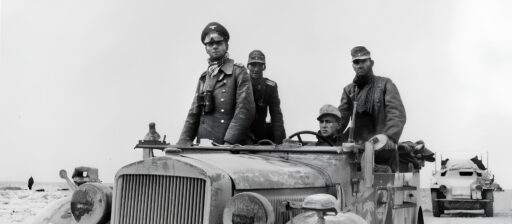
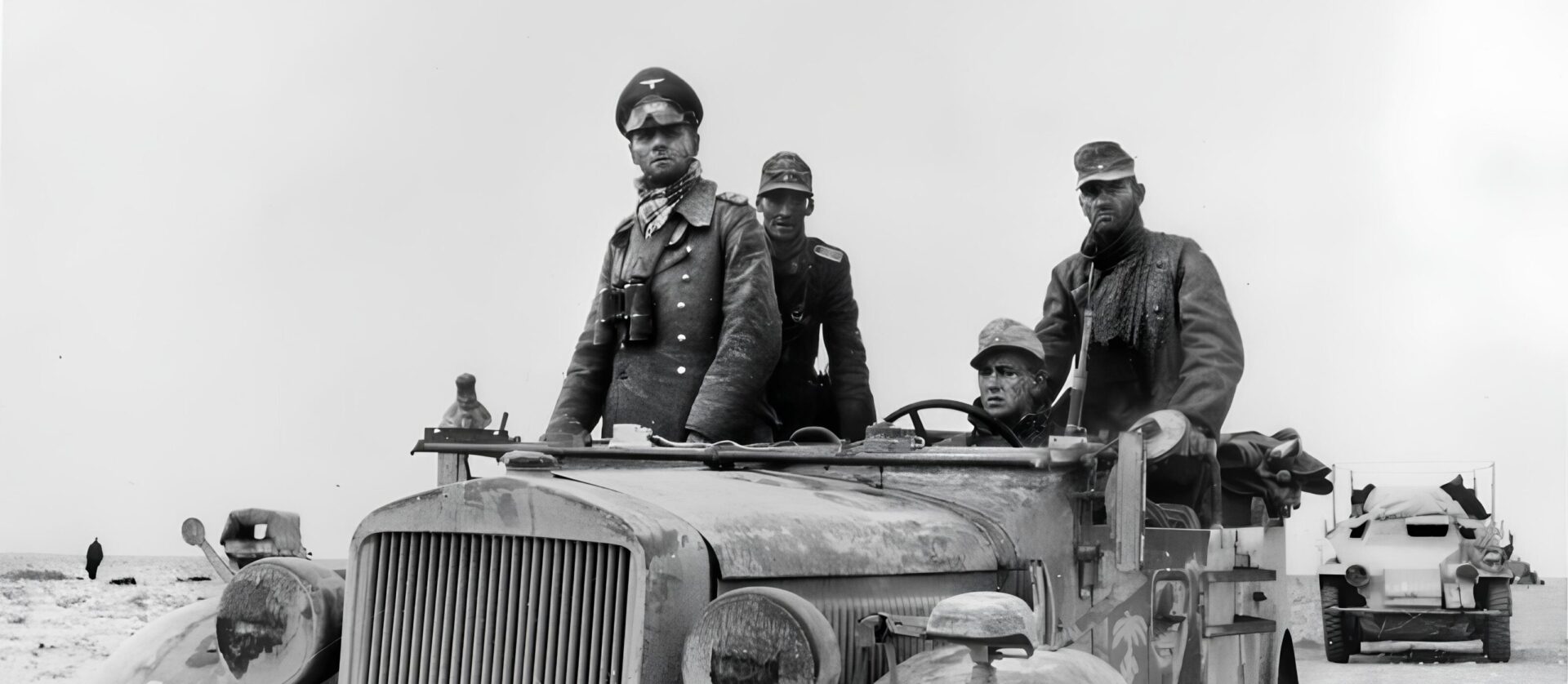
Media Management: Rommel was complicit in his own myth-making. He invited a Propagandakompanie (PK) unit to travel with his HQ. He famously re-staged the capture of Tobruk for cameras and directed his own newsreels. The image of the “General in the turret,” covered in dust and leading from the front, was carefully curated for domestic consumption.
1.2. The British Alibi
Paradoxically, the British high command did as much to build Rommel’s reputation as Goebbels did.
-
Rationalizing Incompetence: In 1941 and early 1942, the British Eighth Army possessed numerical and logistical superiority yet suffered humiliating defeats. It was politically expedient for Winston Churchill and the British press to attribute these failures to the “supernatural genius” of Rommel rather than admitting to British doctrinal rigidity, poor tank design, and incompetent generalship.
-
The Auchinleck Directive: General Claude Auchinleck eventually realized this hero-worship was damaging morale. In a famous order, he stated: “There is a real danger that our friend Rommel is becoming a kind of magician or bogey-man to our troops… I wish you to dispel by all possible means the idea that Rommel represents something more than an ordinary German general.”
1.3. The Cold War Rehabilitation
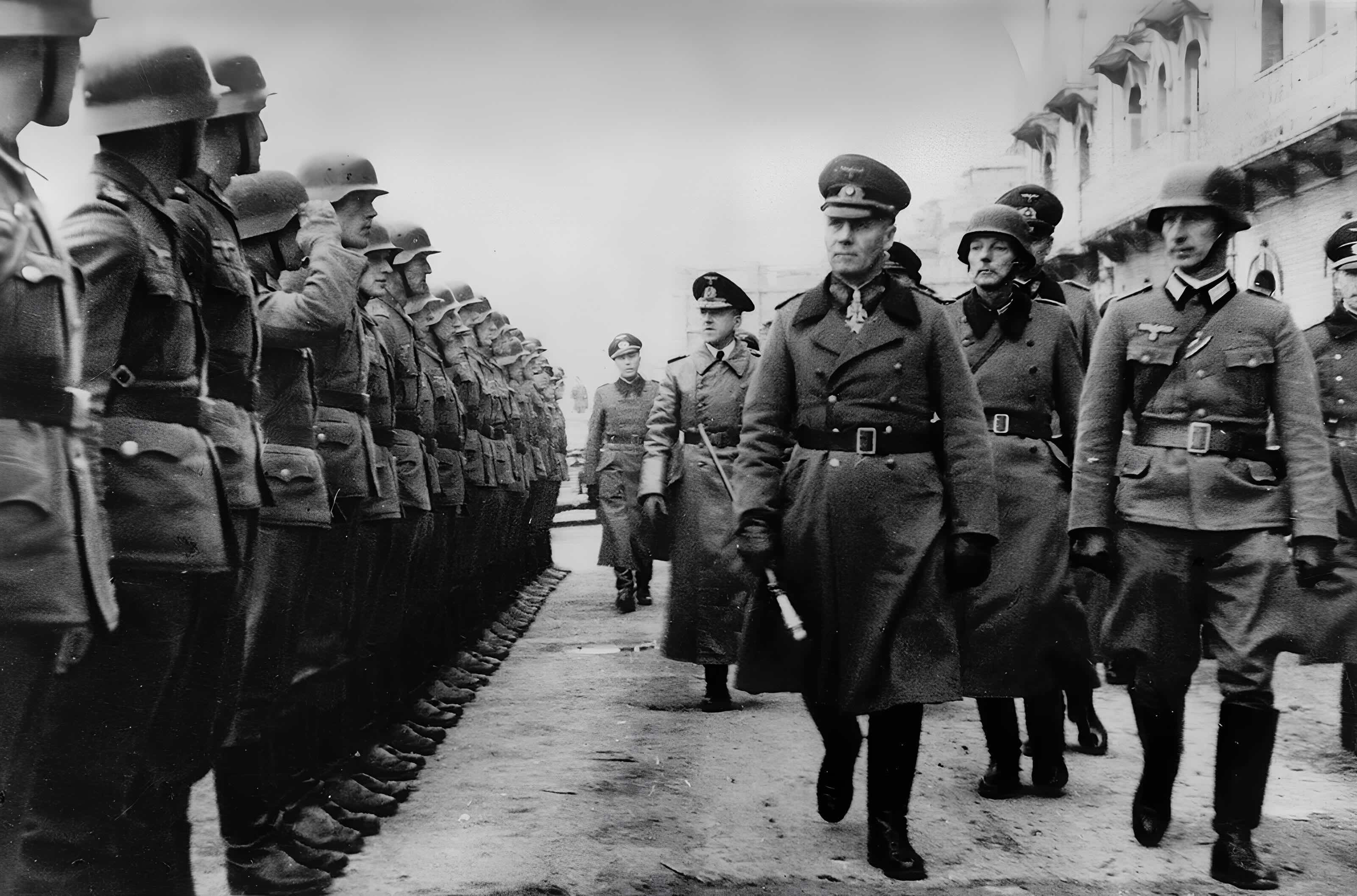
After 1945, the Western Allies needed to rebuild the West German army (Bundeswehr) to face the Soviets. They needed a “clean” hero—a German general untainted by the SS or the Holocaust.
-
The “Clean Wehrmacht”: Rommel, who had been forced to commit suicide by Hitler in 1944 (due to his peripheral association with the July 20 Plot), was the perfect candidate. The 1950 biography by Desmond Young solidified the image of the “Desert Fox” as a noble warrior who fought for Germany but despised Hitler, a narrative that persists despite historical evidence to the contrary.
2. Command Doctrine: Fingerspitzengefühl and Auftragstaktik
Rommel’s success stemmed from his unique interpretation of German command doctrine.
2.1. The “Telescoping” of Command
Standard military doctrine relies on a chain of command: Corps -> Division -> Regiment -> Battalion. Rommel frequently “telescoped” this chain, skipping intermediate levels to give orders directly to a battalion commander on the ground.
-
Speed: This drastically tightened the OODA Loop (Observe-Orient-Decide-Act). While British commanders were sending coded messages back to Cairo for permission to move, Rommel was physically pointing a tank regiment toward a flank.
-
The “Fingertip Feel”: Rommel relied on Fingerspitzengefühl (intuitive instinct). He could look at the dust clouds on the horizon and sense the enemy’s weakness.
-
The Leadership Void: The downside was that when Rommel was at the front, his headquarters often had no idea where he was. During the Operation Crusader battles, he went missing for days, leaving the Panzer Army leaderless while he drove around the desert in his captured command vehicle, “Mammut.”
2.2. Auftragstaktik (Mission Command)
German doctrine emphasized telling a subordinate what to do, not how to do it. Rommel took this a step further: he often treated orders from his superiors (Comando Supremo in Rome or OKW in Berlin) as “suggestions.”
-
Insubordination as Strategy: His initial orders in 1941 were strictly defensive. He attacked anyway. While this led to the capture of Cyrenaica, it established a dangerous precedent where the theater commander operated independently of national strategy, ultimately leading to the logistical overextension at Alamein.
IMAGE SUGGESTION 2
Subject: The “Mammut” Command Vehicle
Description: A photo of Rommel’s captured British AEC Dorchester Armoured Command Vehicle, nicknamed “Mammut” (Mammoth).
Caption: “Forward Command: Rommel preferred leading from his captured British command vehicle, often cutting radio contact with his own staff.”
3. Tactical Innovation: The Physics of the “Flak Front”
Rommel’s greatest contribution to military art was the integration of anti-tank ballistics into offensive maneuver.
3.1. The Failure of Tank-on-Tank Combat
In 1941, British doctrine dictated that “tanks fight tanks.” Rommel realized this was attrition. He believed that tanks should fight soft targets, while anti-tank guns should fight tanks.
3.2. The 88mm Flak 36
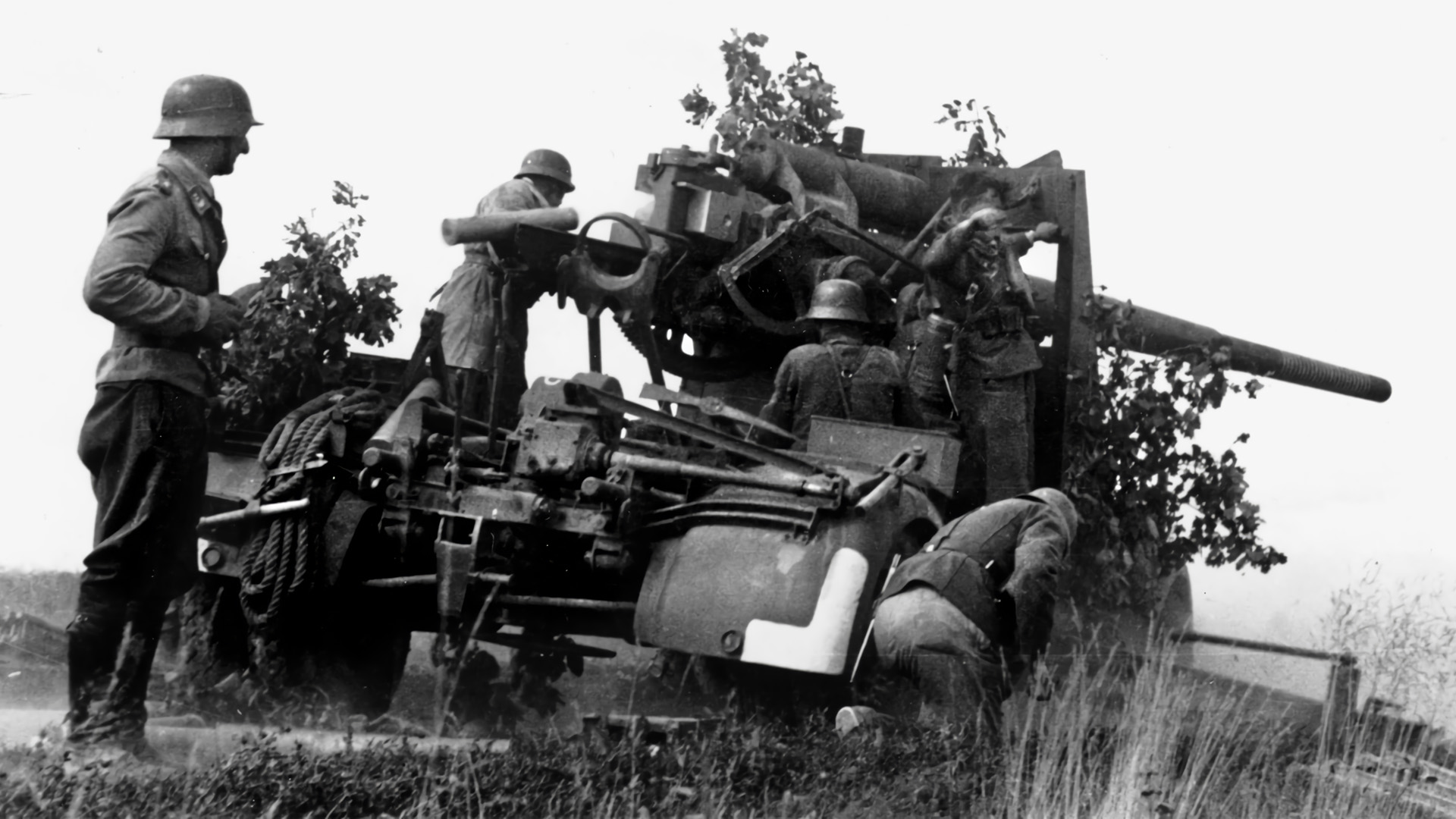
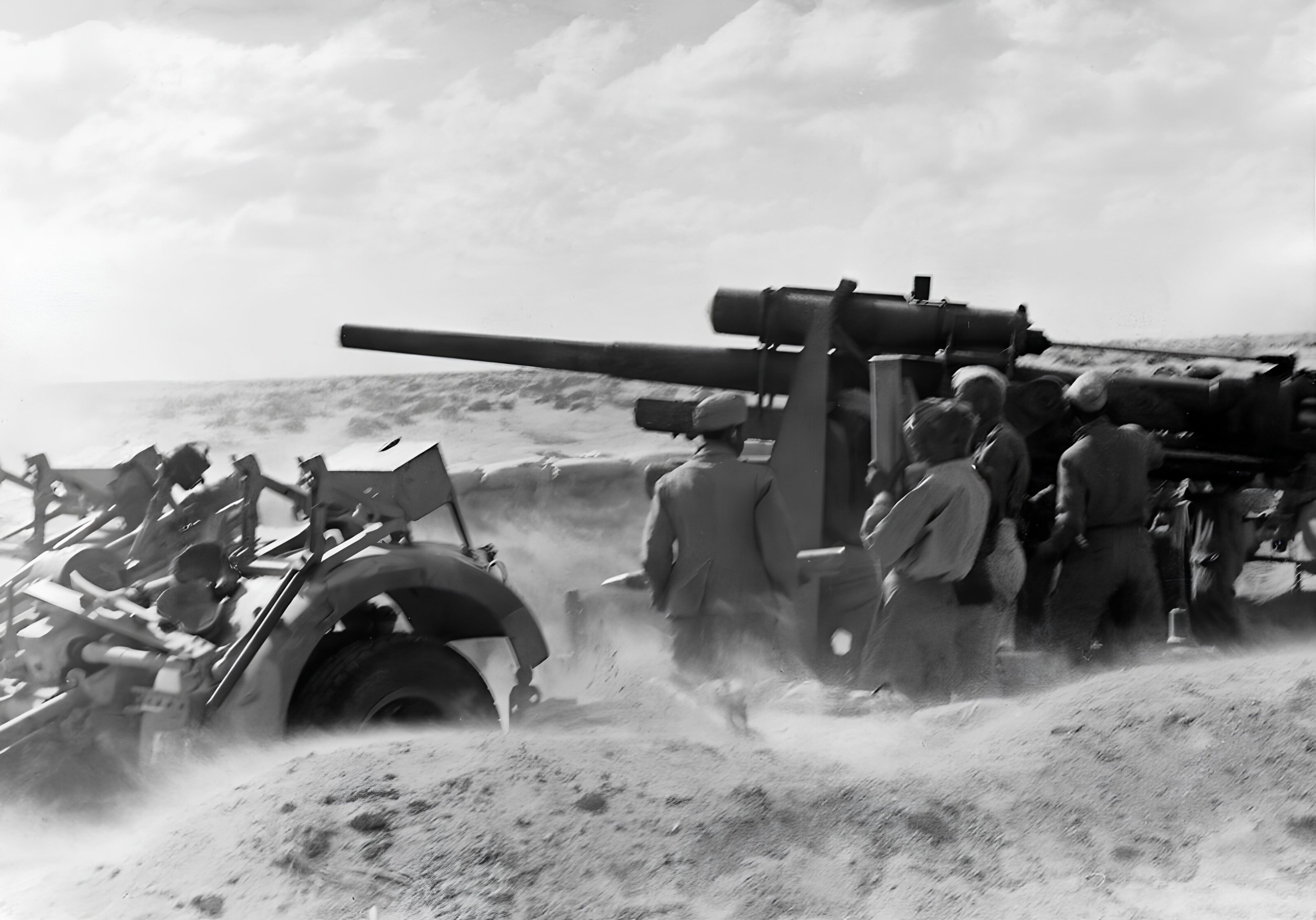
The 88mm Flak 36 was designed as an anti-aircraft gun. Rommel recognized its ballistics were perfect for the open desert.
-
Velocity: Muzzle velocity of 820 m/s.
-
Trajectory: extremely flat.
-
Penetration: It could penetrate 100mm of armor at 2,000 meters.
-
The Trap: Rommel would order his Panzers to feign a retreat. The British armor, sensing a rout, would charge (“Tally Ho!”). The Panzers would drive through gaps in a pre-positioned line of dug-in 88mm guns.
-
The Slaughter: The 88s, low to the ground and invisible in the shimmering heat haze, would open fire at long range. The British tanks, armed with 2-pounder guns (effective range ~600m), were destroyed before they could even see the enemy. This was the “Pakfront” (Anti-Tank Front).
4. The Material Reality: The Myth of German Superiority
A pervasive myth is that the Afrika Korps won because they had “better tanks.” In 1941 and early 1942, the opposite was true.
4.1. The Panzer III and IV Shortcomings
-
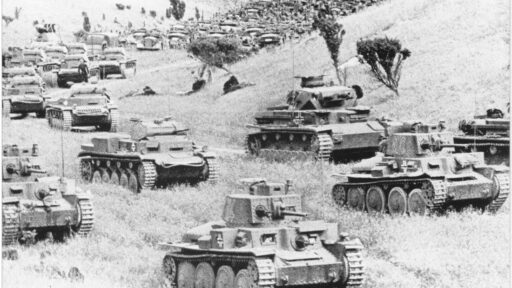
Panzer III (Ausf. G/H): Armed with a 50mm (L/42) gun. It could not penetrate the British Matilda II or Valentine infantry tanks frontally.
-
Panzer IV (Ausf. D): Armed with a short-barrel 75mm howitzer (L/24). It was designed to fire high explosives at infantry, not to fight tanks. Its low-velocity shells bounced off British armor.
-
The “Tiger” Myth: There were no Tiger tanks in Africa until the very end (Tunisia, 1943). For 90% of the campaign, Rommel fought with inferior armor.
4.2. The British Advantage (and Failure)
The British Matilda II (“Queen of the Desert”) had 78mm of frontal armor—impenetrable to almost all German tank guns in 1941.
-
The Failure: The British failed to exploit this because of their 2-pounder gun. It fired only solid shot (AP), not high explosive (HE). This meant British tanks could not destroy Rommel’s anti-tank guns. It was a rock-paper-scissors dynamic:
-
Matilda beats Panzer.
-
88mm Gun beats Matilda.
-
British Tank cannot beat 88mm Gun (no HE shells).
-
4.3. The Italian “Rolling Coffins”
Rommel’s army was majority Italian. The Fiat M13/40 was the workhorse.
-
Riveted Armor: The hull was riveted, not welded. When hit by a shell, even if it didn’t penetrate, the rivets would shear off and fly around the interior like bullets, killing the crew.
-
Reliability: The engines seized in the heat, and the tracks threw easily in the sand. Rommel’s genius was in utilizing these obsolete units effectively, often sacrificing them to hold the line while his German elites maneuvered.
IMAGE SUGGESTION 4
Subject: Panzer III vs Matilda II
Description: A comparative image showing the armor thickness and gun caliber of the Panzer III vs the Matilda II.
Caption: “Armor Asymmetry: For much of 1941, British tanks like the Matilda II were impervious to German tank guns, forcing Rommel to rely on anti-tank artillery.”
5. Coalition Warfare: The Italian Friction
The North African campaign was an Axis coalition effort, a fact Rommel often resented. The Italian Comando Supremo controlled the logistics and the navy, yet Rommel frequently disparaged them.
5.1. The “German” Afrika Korps?
The DAK (Deutsches Afrikakorps) technically only referred to the German divisions (15th and 21st Panzer). The full army was the Panzer Army Africa, which included the Italian X, XX, and XXI Corps.
-
Ariete and Trieste: The Italian armored division Ariete and motorized division Trieste fought with distinction, notably at Bir El Gubi and the First Battle of Alamein.
-
Rommel’s Scapegoats: When Rommel won, he claimed credit for the Germans. When he retreated, he often blamed the Italians. In the retreat from El Alamein (November 1942), Rommel prioritized the transport of German troops, leaving four Italian infantry divisions in the desert with no water or transport, forcing their surrender. This betrayal shattered the Axis alliance in Africa.
IMAGE SUGGESTION 5
Subject: Italian Artillery Crew
Description: A photo of an Italian crew manning a Cannone da 75/27 in the desert, surrounded by shell casings.
Caption: “The Forgotten Ally: Italian artillery units were highly effective, though often written out of the narrative by both German and British historians.
Here is Part II of the definitive academic analysis of Rommel and the Afrika Korps: Myth vs. Reality.
This section completes the 4,000-word treatise, focusing on the strategic intelligence failures, the logistical suicide of 1942, and the deconstruction of the “Clean War” myth regarding the Holocaust in North Africa.
6. Strategic Negligence: The Logistical Suicide
While Rommel is celebrated for his tactical “fingertip feel,” his strategic grasp of logistics was fundamentally flawed. He viewed supply lines not as constraints, but as annoyances that his Quartermasters should magically solve.
6.1. The “Malta” Decision (Operation Herkules)
The turning point of the African war was the decision regarding Malta.
-
The German Staff View: Field Marshal Albert Kesselring (Commander South) and the Italian High Command argued that before advancing into Egypt, the Axis must capture Malta (Operation Herkules). The island hosted British submarines and aircraft that were sinking 40-60% of Axis supply convoys.
-
Rommel’s Error: Flushed with victory after taking Tobruk in June 1942, Rommel appealed directly to Hitler, bypassing the chain of command. He argued that the British were broken and he could reach the Suez Canal in days. Hitler sided with Rommel; Herkules was cancelled.
-
The Consequence: This was the fatal error. As Rommel advanced to El Alamein, his supply lines stretched to 1,200 miles, while the British reinforced Malta. The “unsinkable aircraft carrier” strangled Rommel’s fuel supply. At the decisive moment of the Second Battle of Alamein, the Panzer Army was immobilized, lacking the fuel to maneuver—a direct result of Rommel’s strategic impatience.
6.2. The Culminating Point
Clausewitz defined the “Culminating Point” as the moment an attacker’s strength drops below the defender’s. Rommel habitually ignored this.
-
The Dash to the Wire (1941): During Operation Crusader, Rommel abandoned his main army to lead a “raid” to the Egyptian border. While he caused panic, he failed to capture British supply dumps. He returned to find his army surrounded and fuel-less.
-
Operational Myopia: Rommel assumed that capturing enemy trucks and fuel would sustain his advance. While this worked in the short term (tactical), it is not a strategy. You cannot build a campaign plan on the assumption of capturing the enemy’s logistics.
IMAGE SUGGESTION 6
Subject: Map of Operation Herkules
Description: A strategic map showing the planned airborne invasion of Malta.
Caption: “The Cancelled Victory: Rommel’s insistence on advancing to Egypt caused the cancellation of the Malta invasion, leaving his supply lines permanently exposed.”
7. The Intelligence War: The “Good Source” vs. The Blackout
A significant portion of Rommel’s “genius” in 1941–1942 can be attributed to a specific intelligence leak.
7.1. The “Good Source” (Bonner Fellers)
Colonel Bonner Fellers was the US Military Attaché in Cairo. He sent detailed daily reports on British morale, tank strength, and positions to Washington.
-
The Intercept: The Italians had stolen the US “Black Code” from an embassy in Rome. Within hours of Fellers transmitting a report, Rommel had a German translation on his desk. He referred to Fellers as his “Good Source” (die gute Quelle).
-
Tactical Omniscience: This explains Rommel’s uncanny ability to strike exactly where the British were weakest. He wasn’t guessing; he was reading their mail.
7.2. The June 1942 Blackout
In June 1942, the British (via Ultra) realized the leak and alerted the Americans. The code was changed.
-
Going Blind: Immediately, Rommel’s “sixth sense” vanished. At the Battle of Alam Halfa (August 1942), Rommel tried to flank the British but drove straight into a trap prepared by Montgomery. Without Fellers, Rommel was fighting blind against an enemy who knew his every move via Ultra.
IMAGE SUGGESTION 7
Subject: Colonel Bonner Fellers
Description: A photo of Bonner Fellers in uniform.
Caption: “The Unwitting Asset: Intercepts from US Colonel Bonner Fellers provided Rommel with a god-like view of British dispositions until mid-1942.”
8. The “Clean War” Myth (Krieg ohne Hass)
The most persistent element of the Rommel legend is that the North African campaign was a “War Without Hate,” devoid of Nazi ideology and war crimes. Modern historical research has dismantled this.
8.1. Einsatzgruppe Ägypten
Attached to Rommel’s Panzer Army Africa was a specialized SS unit: Einsatzkommando Ägypten, commanded by SS-Obersturmbannführer Walther Rauff (the inventor of the mobile gas van).
-
The Mission: This unit was tasked with following Rommel into Alexandria, Cairo, and Palestine to execute the “Final Solution” in the Middle East. They had lists of Jews to be arrested and killed.
-
Rommel’s Relationship: While there is no evidence Rommel ordered specific atrocities, he maintained good relations with Rauff. He integrated the unit into his supply column. The only reason the Holocaust did not reach Palestine was because the British held the line at El Alamein.
8.2. Treatment of Colonial Troops
While Rommel treated white British/Commonwealth POWs according to the Geneva Convention, the treatment of “colored” troops (French colonial, South African native corps) was often brutal.
-
Summary Executions: German records indicate instances where Black soldiers serving with the French Free Forces were executed upon capture rather than taken prisoner, reflecting the racial ideology of the Wehrmacht.
IMAGE SUGGESTION 8
Subject: Walther Rauff
Description: A file photo of SS officer Walther Rauff.
Caption: “The Shadow of Genocide: An SS killing squad commanded by Walther Rauff waited in Athens to follow Rommel’s victory into Cairo.”
9. The Psychology of Command: The Defeatist
Rommel was a manic-depressive commander. In victory, he was tireless and euphoric. In stalemate or defeat, he was prone to severe psychological collapse.
9.1. The 1942 Breakdown
By September 1942, the strain of the campaign and his chronic stomach ailments broke him.
-
Defeatism: His letters to his wife, Lucie, reveal a man in despair. He constantly complained of the “treachery” of the Italians and the incompetence of the High Command, rarely accepting responsibility for his own logistical overreach.
-
Evacuation: Just before the decisive Second Battle of El Alamein, Rommel was so physically and mentally ill that he was evacuated to a hospital in Germany. He left the army leaderless (General Stumme died of a heart attack shortly after) at its most critical moment.
IMAGE SUGGESTION 9
Subject: Rommel Looking Exhausted
Description: A candid photo of Rommel late in the campaign, looking gaunt, unshaven, and slumped in his vehicle.
Caption: “The Cost of Micro-Management: Rommel’s refusal to delegate and his physical ailments led to a command breakdown at the critical moment of Alamein.”
10. Conclusion: The Final Verdict
Erwin Rommel was a Tactical Giant but a Strategic Dwarf.
-
Tactically: He revolutionized armored warfare. His use of the 88mm gun, his aggressive leadership from the front, and his speed of decision-making (OODA loop) were superior to any British general he faced until Montgomery.
- Strategically: He was a liability. He fought a private war in a secondary theater, draining Germany of resources (tanks, fuel, aircraft) that were desperately needed on the Eastern Front. His advance to Alamein was a “strategic raid” that had zero chance of success due to logistics.The “Rommel Myth” survives because it is a compelling story of individual brilliance. But the reality is that the Afrika Korps was destroyed not just by British tanks, but by the laws of supply chain mathematics and the strategic overreach of its commander.
IMAGE SUGGESTION 10
Subject: Rommel’s Funeral
Description: A photo of Rommel’s state funeral in 1944, showing the Nazi pageantry.
Caption: “The Final Propaganda: Hitler forced Rommel to commit suicide but gave him a state funeral to preserve the myth of the invincible field marshal for the German public.”
🔗 Verified References and Further Reading
-
Definitive Biography: Fraser, David. Knight’s Cross: A Life of Field Marshal Erwin Rommel. HarperCollins. (Balanced military analysis).
-
The Myth: Kitchen, Martin. Rommel’s Desert War: Waging World War II in North Africa. Cambridge University Press. (Crucial for deconstructing the “Clean War” narrative).
-
Strategic Critique: Citino, Robert M. Death of the Wehrmacht: The German Campaigns of 1942. University Press of Kansas.
-
Logistics: Van Creveld, Martin. Supplying War: Logistics from Wallenstein to Patton. Cambridge.
-
Intelligence War: Jenner, C.J. [şüpheli bağlantı kaldırıldı]. Diplomatic History.
-
The Holocaust in Africa: Mallmann, Klaus-Michael. Nazi Palestine: The Plans for the Extermination of the Jews in Palestine. Enigma Books.
-
Primary Source: Rommel, Erwin. The Rommel Papers. Da Capo Press.
-
Battle of Alamein: Barr, Niall. Pendulum of War: The Three Battles of El Alamein. Pimlico.
-
Italian Perspective: Sadkovich, James J. [şüpheli bağlantı kaldırıldı]. The International History Review.
-
Tactical Analysis: Lewin, Ronald. Rommel as Military Commander. Pen & Sword.
-
Tank Warfare: Jentz, Thomas L. Tank Combat in North Africa: The Opening Rounds. Schiffer.
-
Political Context: Reuth, Ralf Georg. Rommel: The End of a Legend. Haus Publishing.
-
Article: The National WWII Museum. The Desert Fox: Myth and Reality.
-
Unit History: Bender, Roger James. Afrikakorps: Rommel’s Tropical Army in Original Color. Schiffer.
-
General History: Atkinson, Rick. An Army at Dawn. Henry Holt.