WWII Theaters

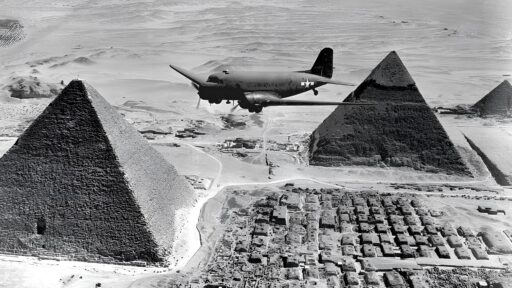
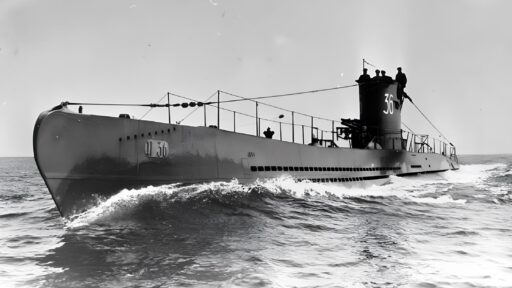
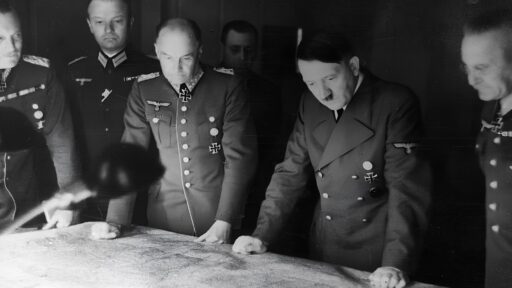
World War II (1939–1945) was the largest and most complex military conflict in human history, spanning multiple continents, oceans, and political systems. Rather than a single battlefield, the war unfolded across several major fronts and theaters, each with its own strategic objectives, military tactics, and historical consequences. Below is a comprehensive overview of the main fronts of World War II.

34 posts

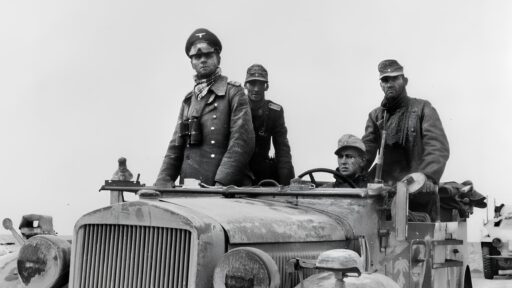
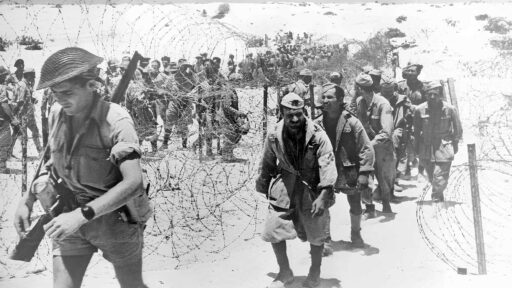
The Desert Fox Deconstructed: A Critical Analysis of Command, Mythology, and Operational Reality (1941–1943)

Rommel remains both a celebrated tactician and a contested historical figure. While postwar narratives mythologized him as a chivalrous genius, modern scholarship highlights a sharp divide: exceptional tactical skill contrasted with strategic blindness, especially in logistics and coalition warfare, which hastened Axis defeat in North Africa

The Battle of Britain: Integrated Air Defence, Attrition Dynamics, and the First Strategic Air Defeat, July–October 1940

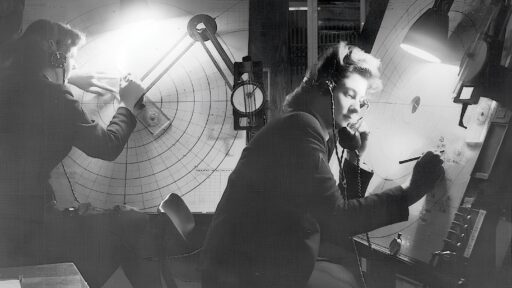
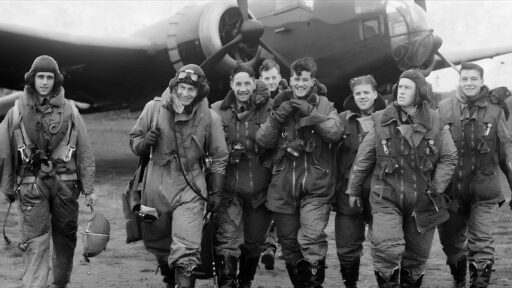
The Battle of Britain (1940) was the first all-air campaign and Nazi Germany’s first strategic defeat. Beyond pilot heroism, it was a systems battle: Luftwaffe air superiority versus RAF air denial. Britain’s Dowding System integrated radar, command, and interception, showing that air power depends on organization and technology, not numbers alone

Wings of the Blitzkrieg: The Luftwaffe’s Operational Supremacy and Strategic Overreach, 1939–1940

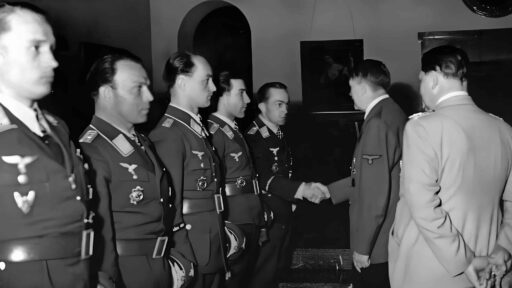
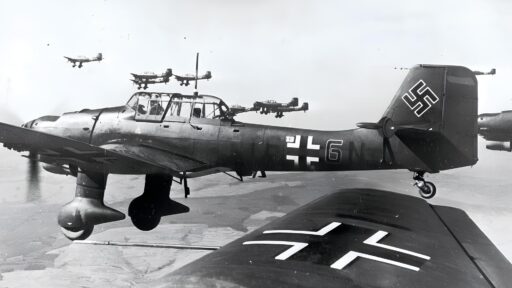
Between 1939 and 1940, the Luftwaffe became the world’s leading tactical air force through integrated air–ground doctrine and precision strike. Yet its success concealed strategic weaknesses: no heavy bombers, weak intelligence, and limited endurance—flaws exposed when tactical brilliance in France collapsed into strategic failure over Britain