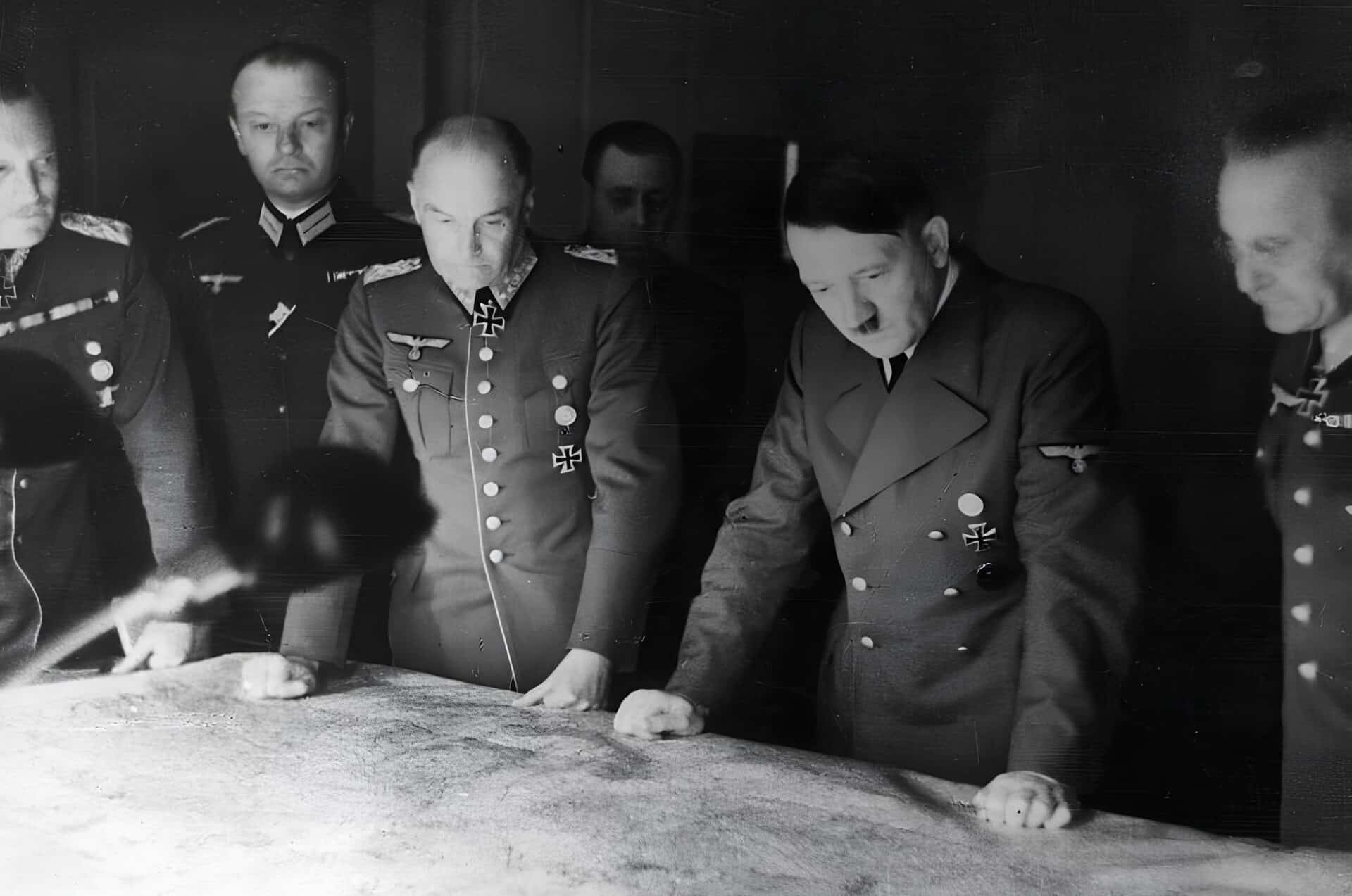

The Logistical Phantom: Why Operation Sea Lion Was Doomed from Conception, 1940
Executive Summary
Operation Sea Lion (Unternehmen Seelöwe) remains one of the great “What Ifs” of military history. However, a technical analysis of the Wehrmacht’s capabilities in the summer of 1940 reveals that the invasion was never a viable military operation; it was a strategic bluff crippled by insurmountable logistical and naval deficits.
While popular history focuses on the Battle of Britain and the failure of the Luftwaffe to achieve air superiority, the true failure lay in the Kriegsmarine’s (German Navy) total inability to transport and sustain an army across the English Channel. Lacking purpose-built landing craft, heavy surface escorts, and a unified command structure, the operation relied on river barges totally unsuited for open sea. This article dissects the “Barge Crisis,” the devastating impact of the Norwegian Campaign on German naval strength, the fatal disagreements between the Army and Navy High Commands, and the mathematical certainty of the Royal Navy’s interception.
1. Introduction: The Reluctant Invasion
Unlike the detailed planning for the invasion of France (Fall Gelb), the plan to invade Britain was a hurried improvisation. Hitler issued Directive No. 16 on July 16, 1940, ordering preparations.
-
The Strategic Dilemma: Hitler assumed Britain would sue for peace after the fall of France. When Churchill refused, Germany faced a strategic dead end. They had to cross the Channel, but they had no doctrine, no specialized equipment, and no training for amphibious warfare.
-
The Prerequisites: The Directive set four conditions: 1) Air Superiority, 2) Mine-free channels, 3) Neutralization of the Royal Navy, and 4) Destruction of coastal artillery. None were ever achieved.
IMAGE SUGGESTION 1
Subject: Map of Operation Sea Lion Landing Zones
Description: A strategic map showing the proposed landing beaches (Lyme Regis to Ramsgate) and the divergent plans of the Army (broad front) vs. Navy (narrow front).
Caption: “The Geography of Disagreement: The Army wanted a broad front from Lyme Regis to Ramsgate; the Navy argued they could only protect a narrow corridor.”
2. The Naval Asymmetry: A Fleet Non-Existent
The primary reason Sea Lion failed was the disparity in naval power. The Norwegian Campaign (April 1940) was a Pyrrhic victory that destroyed the Kriegsmarine as a surface fighting force.
2.1. The Balance of Power (September 1940)
| Ship Class | Royal Navy (Home Waters) | Kriegsmarine (Available) |
| Battleships | 3 (+2 Battlecruisers) | 0 (Scharnhorst/Gneisenau damaged) |
| Cruisers | 11 | 2 (Hipper, Prinz Eugen) |
| Destroyers | 57 | 10 |
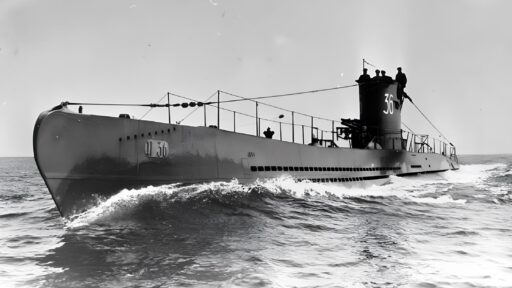
| Submarines | 30 | 25 (U-boats) |
The Screen: Grand Admiral Erich Raeder admitted that even if the Luftwaffe won the air war, the German Navy had “absolutely no means” to protect the invasion fleet from the Royal Navy’s destroyers at night. The German plan relied entirely on laying minefields (Minensperre) to block the Royal Navy—a passive defense against an aggressive enemy.
2.2. The Destroyer Trap
The Royal Navy maintained a “flotilla defense” strategy. Over 50 destroyers were stationed in ports like Portsmouth, Dover, and Harwich. Even if half were sunk by the Luftwaffe, the remaining 25 could rampage through the slow-moving German barge fleet. Raeder estimated that a single British destroyer could sink thousands of troops in minutes.
IMAGE SUGGESTION 2
Subject: Royal Navy Destroyer Flotilla
Description: A photo of Tribal-class destroyers steaming in line abreast at high speed.
Caption: “The Executioners: A single flotilla of Royal Navy destroyers could have annihilated the slow-moving German transport fleet in hours.”
3. The Transport Crisis: The River Barge Folly
Germany possessed no landing craft (LSTs or Higgins boats). Instead, they requisitioned 2,400 river barges (Prahm) from the Rhine and Danube.
3.1. The Technical Unsuitability
-
River vs. Sea: These barges were flat-bottomed, designed for calm rivers. They had no internal engines and had to be towed. In the choppy waters of the English Channel, even a Sea State 2 (mild waves) would cause them to swamp or break their tow ropes.
-
The Towing Geometry: A single tugboat would tow two barges. This convoy would move at roughly 2 to 3 knots. Crossing the Channel would take 15 to 20 hours, leaving the troops exposed to air and sea attack for an entire day and night.
3.2. The “Modified” Barge
German engineers hurriedly modified barges by cutting bow ramps for tanks and adding concrete to the floors.
-
The Disaster: Tests showed that unloading a Panzer II from a barge onto a beach took 20 minutes in perfect conditions. In combat, with swell, it was virtually impossible. Many tanks would have simply driven off the ramp into deep water.
IMAGE SUGGESTION 3
Subject: German Invasion Barges in Port
Description: A photo of modified river barges (Prahm) gathered in a French port (e.g., Boulogne), showing the crude concrete modifications and lack of engines.
Caption: “River Boats in an Ocean War: The flat-bottomed Rhine barges were dangerously unstable in the open waters of the English Channel.”
4. The Inter-Service Feud: Army vs. Navy
The Heer (Army) and Kriegsmarine (Navy) fought a bitter bureaucratic war over the invasion plan.
4.1. Army Demand: The Broad Front
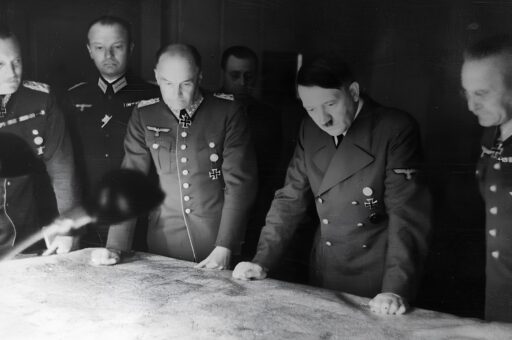
General Franz Halder (Chief of Staff) demanded a landing on a 200-mile front from Lyme Regis to Ramsgate to prevent the British from concentrating their defenses. He famously stated: “I might just as well put the troops through a sausage machine” as land on a narrow front.
4.2. Navy Reality: The Narrow Corridor
Admiral Raeder flatly refused the Army’s plan. He stated the Navy could only protect a narrow corridor between Dover and Eastbourne.
-
The Compromise: Hitler forced a compromise (Directive No. 17) on a narrower front. This satisfied no one: it was too narrow for the Army to maneuver, yet still too wide for the Navy to protect.
-
Schwerpunkt Confusion: This lack of unified command meant the Army was planning a campaign the Navy couldn’t transport, and the Navy was planning a transport the Army couldn’t win with.
IMAGE SUGGESTION 4
Subject: Franz Halder and Erich Raeder
Description: A split image or composite of General Halder and Admiral Raeder.
Caption: “The Sausage Machine: Halder demanded a broad front; Raeder refused, citing the total lack of naval escorts.”
5. The Air Superiority Prerequisite: The Luftwaffe Failure
As detailed in the previous article, Operation Sea Lion was entirely predicated on the Luftwaffe achieving air superiority.
5.1. The Failure of Eagle Day
By September 15, 1940 (Battle of Britain Day), it was clear the RAF was still operational.
-
The Bomber Dilemma: If the Luftwaffe switched to supporting the invasion, it would have to act as “flying artillery” against British coastal defenses. This would leave the Royal Navy free to enter the Channel. The Luftwaffe did not have enough aircraft to suppress the RAF and the Royal Navy and provide ground support simultaneously.
-
Mine-Laying: The Luftwaffe was tasked with laying magnetic mines to protect the flanks. However, British minesweepers had mastered the degaussing technique, rendering this barrier permeable.
IMAGE SUGGESTION 5
Subject: Luftwaffe He 111 Laying Mines
Description: An illustration or photo of a German bomber dropping a magnetic mine by parachute.
Caption: “The Paper Wall: The Luftwaffe’s aerial minefields were insufficient to stop the Royal Navy from cutting the invasion lanes.”
6. The Logistics of the Beachhead: Starvation by Design
Even if the Germans had landed, wargames (such as the Sandhurst 1974 simulation) suggest they would have been isolated and destroyed within days.
6.1. The Supply Rate
The German Army required thousands of tons of ammunition, fuel, and food daily.
-
No Ports: The Germans planned to capture Dover and Folkestone intact. However, the British had prepared to demolish these ports (scuttling).
-
Beach Unloading: Resupplying an army over open beaches using barges is a logistical nightmare (as the Allies learned in Normandy). Without a working port, the German invasion force would have run out of ammunition in 48 hours.
6.2. The Second Wave
The first wave (9 divisions) might have landed. But the “Second Wave” (Panzer divisions) required the barges to return to France, reload, and cross again.
-
Interdiction: By the time the barges tried to return, the Royal Navy would have been in the Channel. The “Second Wave” would never have arrived. The first wave would have become a massive POW camp on the Kent coast.
IMAGE SUGGESTION 6
Subject: British Coastal Defenses (Pillbox)
Description: A photo of a concrete pillbox or anti-tank blocks on a British beach in 1940.
Caption: “The Hardened Coast: British coastal defenses, though hasty, would have delayed the Germans long enough for supplies to run out.”
7. British Counter-Preparations: “Cromwell” and Gas
The British were not passive. Under General Alan Brooke, the defenses were hardened.
7.1. Operation Cromwell
The code word “Cromwell” was the signal that invasion was imminent.
-
The Home Guard: While often mocked, the 1.5 million men of the Home Guard would have acted as a guerrilla harassment force, forcing the Germans to divert troops to secure their rear.
-
Mustard Gas: It is now known that Churchill was prepared to authorize the use of mustard gas on the beaches if the Germans established a foothold. The RAF had stockpiles ready to spray the landing zones.
7.2. Petroleum Warfare
The British Petroleum Warfare Department developed Flame Fougasses (buried drums of oil and explosives) and systems to pump oil into the sea and ignite it (“setting the sea on fire”). While arguably of limited tactical value, they show the desperate lethality of the defense.
IMAGE SUGGESTION 7
Subject: Home Guard Training
Description: A photo of Home Guard volunteers training with improvised weapons or Molotov cocktails.
Caption: “Defense in Depth: The Home Guard ensured that even if the Panzer line broke, the German rear areas would be insecure.”
8. The Economic Impact: The Barge Crisis
The preparation for Sea Lion had a devastating effect on the German war economy, a fact often overlooked.
8.1. Paralyzing the Economy
To gather 2,400 barges, the Nazis stripped the Rhine and Danube rivers of their transport capacity.
-
The Cost: These rivers were the arteries of the German economy, moving coal and steel. By requisitioning these barges for months to sit idle in French ports, the German coal distribution network collapsed in the autumn of 1940. Factories slowed down, and the harvest rotted.
-
The De-Mobilization: Operation Sea Lion was damaging the German war effort more than the British. Hitler had to cancel it partly to return the barges to the rivers before the German economy suffocated.
IMAGE SUGGESTION 8
Subject: Barges on the Rhine
Description: A photo of heavy industrial traffic on the Rhine river.
Caption: “Economic Suicide: Stripping the Rhine of barges to build an invasion fleet paralyzed the German coal and steel transport network.”
9. The Wargame Verdict: Sandhurst 1974
In 1974, the Royal Military Academy Sandhurst conducted a massive wargame of Operation Sea Lion, umpired by actual German and British commanders from 1940 (including Adolf Galland).
9.1. The Scenario
The game assumed the Luftwaffe had achieved local air superiority and the landings took place.
-
The Outcome: The Germans successfully landed troops. However, the Royal Navy sortied from Scapa Flow and Portsmouth. Within 24 hours, the German supply lines were cut. The German army in Kent, isolated and out of ammunition, was forced to surrender after six days.
-
The Consensus: Both German and British umpires agreed: Sea Lion was a suicide mission.
IMAGE SUGGESTION 9
Subject: Sandhurst Wargame Map
Description: A map or photo from the 1974 wargame showing the isolation of German forces in Kent.
Caption: “The Verdict of History: The 1974 Sandhurst wargame proved that even with a successful landing, the lack of resupply would lead to German surrender.”
10. Conclusion: The Strategic Bluff
Operation Sea Lion was never a practical military operation. It was a strategic bluff designed to psychologically pressure Britain into surrender.
Hitler, a land-centric dictator, never understood the complexity of amphibious warfare. He believed that the mere threat of the Wehrmacht would cause Churchill to crumble. When the bluff was called, the technical deficiencies of the Kriegsmarine and the logistical impossibility of the barges made cancellation inevitable. The failure of Sea Lion forced Hitler to turn his eyes East toward the Soviet Union (Operation Barbarossa), sealing the fate of the Third Reich.
IMAGE SUGGESTION 10
Subject: Hitler Looking at the Sea
Description: A photo of Hitler standing on the coast of France, looking across the English Channel with binoculars.
Caption: “The Watery Barrier: The English Channel proved to be the finest anti-tank ditch in the world, stopping the Wehrmacht where the armies of Europe could not.”
🔗 Verified References and Further Reading
-
Naval Analysis: Ansel, Walter. Hitler Confronts England. Duke University Press. (The definitive study on the naval impossibility of the invasion).
-
Comprehensive History: Wheatley, Ronald. Operation Sea Lion: German Plans for the Invasion of England, 1939-1942. Greenwood Press.
-
The Sandhurst Wargame: Cox, Richard. Operation Sea Lion. Presidio Press. (Details the 1974 simulation).
-
German Perspective: Raeder, Erich. My Life. Naval Institute Press. (Raeder’s memoir discussing his opposition).
-
Barge Logistics: Schenk, Peter. Invasion of England 1940: The Planning of Operation Sealion. Conway Maritime Press. (Detailed technical specs of the barges).
-
British Defense: Fleming, Peter. Operation Sea Lion. Pan Books.
-
Economic Impact: Tooze, Adam. The Wages of Destruction: The Making and Breaking of the Nazi Economy. Penguin.
-
Chemical Warfare: Paxman, Jeremy. Great Britain’s Great War. (Discusses gas preparations).
-
Coastal Defenses: Foot, William. Beaches, Fields, Streets, and Hills: The Anti-Invasion Landscapes of 1940. Council for British Archaeology.
-
Directive 16: Yale Avalon Project. Führer Directive No. 16. (Primary document).
-
Home Guard: Imperial War Museums. The Home Guard.
-
The Destroyers: Overy, Richard. The Battle of Britain: The Myth and the Reality. (Naval statistics).
-
Article: BBC History. Operation Sealion: The Invasion That Never Was.
-
Petroleum Warfare: Banks, Sir Donald. Flame Over Britain. Sampson Low.
-
Strategic Context: Murray, Williamson. Strategy for Defeat: The Luftwaffe, 1933-1945.