Eastern Front

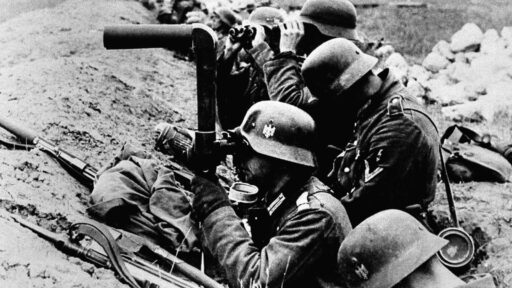
The Eastern Front was the largest and deadliest theater of World War II, beginning in 1941 with Germany’s invasion of the Soviet Union. Characterized by massive battles, extreme conditions, and enormous casualties, it ultimately broke the military power of Nazi Germany and determined the war’s outcome in Europe.

8 posts

The Katyn Massacre

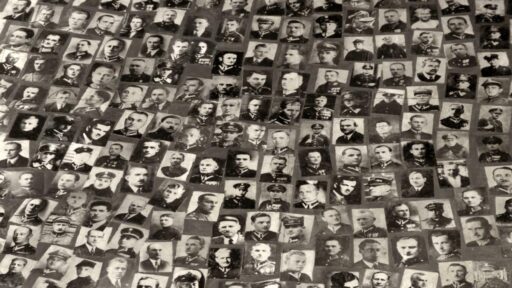
The Katyn Massacre was a deliberate Soviet campaign to eliminate Poland’s military and intellectual elite through the execution of approximately 22,000 prisoners in 1940. For decades, the crime was concealed by state-sponsored deception and international silence, until forensic evidence and political change finally exposed the truth.
Phoney War & Western Inactivity

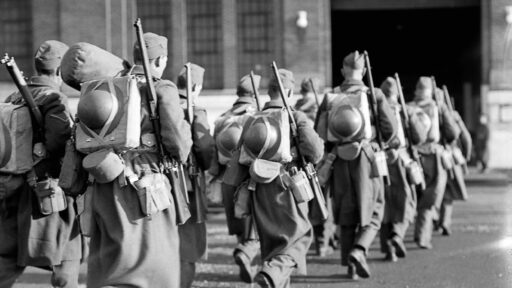
The so-called Phoney War of 1939–1940 was not idle calm but a decisive preparation phase. While Britain and France relied on static defense and blockade, Germany reworked doctrine, mobilized industry, and refined the Manstein Plan, setting the stage for France’s rapid collapse.

Soviet Entry and the Division of Poland

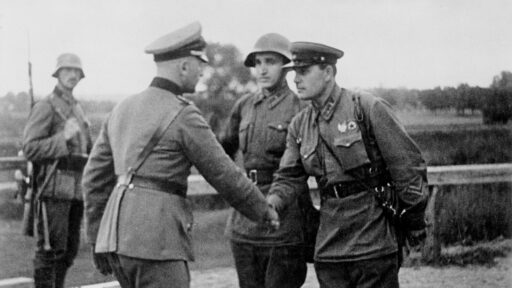
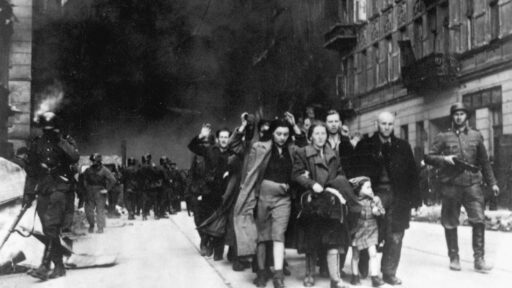
September 17, 1939 marked a decisive but often overlooked turning point, as the Soviet invasion of Poland executed the secret clauses of the Molotov–Ribbentrop Pact. This act completed the partition of Poland and initiated its de-statization through coordinated military force and occupation policies by two totalitarian powers

Polish Armed Forces and Strategic Limitations

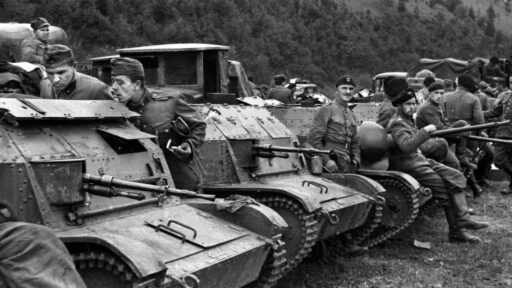
Poland’s defeat in 1939 cannot be reduced to numerical inferiority, but resulted from geography, economic limits, diplomatic isolation, and strategic encirclement. Caught between two expansionist powers using overwhelming and complementary strategies, the Polish Armed Forces were defeated despite determined resistance.

Blitzkrieg Doctrine: Theory vs Practice

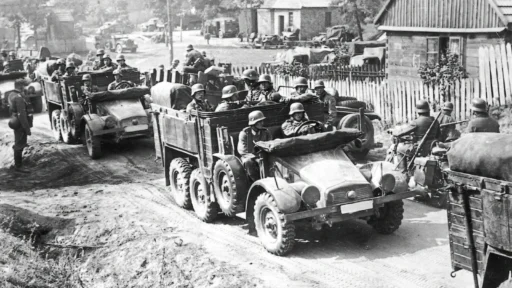
Blitzkrieg is widely cited as a revolutionary German doctrine combining tanks, aircraft, and motorized infantry for rapid victory. Modern historiography, however, argues it was never a formal doctrine, but an improvised operational method shaped by circumstances, institutional culture, and material limitations during the war period