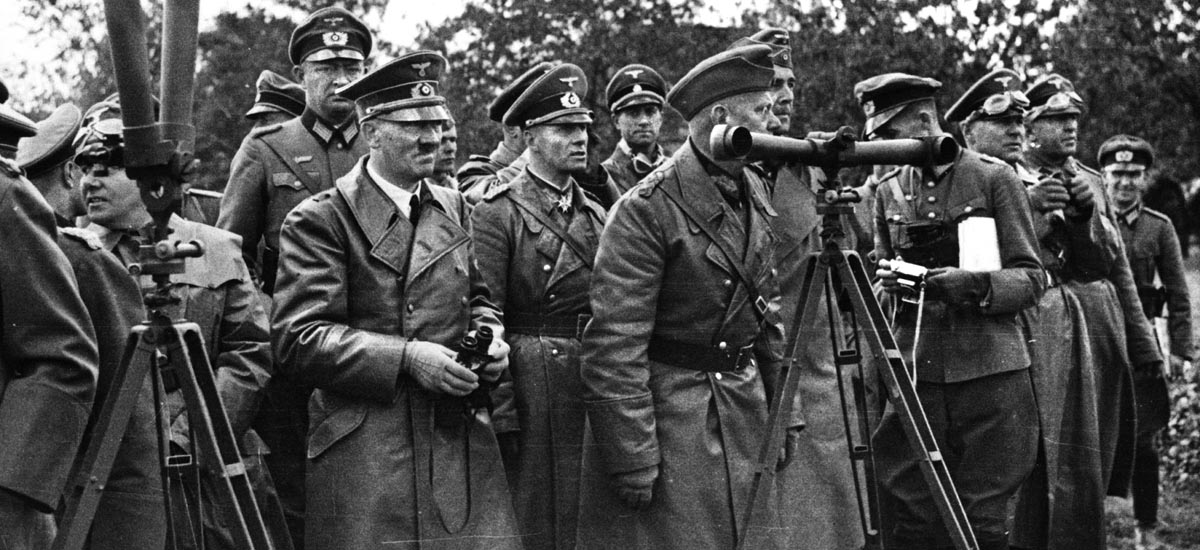

Part I — Intellectual Origins and Theoretical Foundations
Introduction
Among the many concepts associated with the German conduct of the Second World War, Blitzkrieg—literally “lightning war”—has become one of the most widely cited and least precisely defined. Popular narratives portray Blitzkrieg as a revolutionary German doctrine that enabled rapid victories through the seamless integration of tanks, aircraft, and motorized infantry. Yet, modern historiography increasingly questions whether Blitzkrieg was ever a fully articulated doctrine or rather an improvised operational method shaped by circumstance, institutional culture, and material constraints.
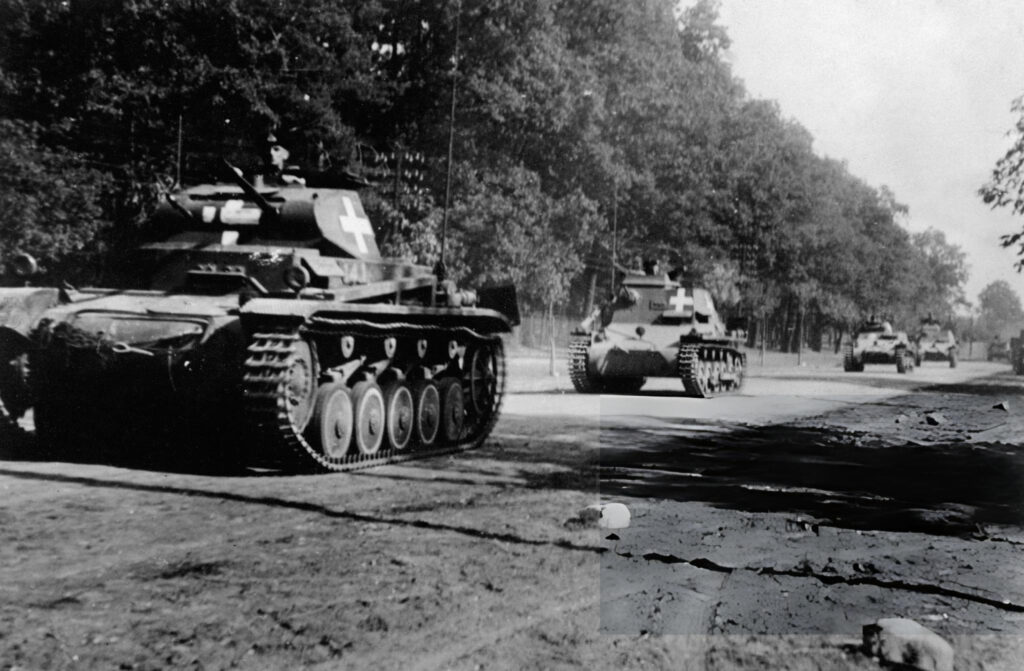
This article examines Blitzkrieg through a critical lens, contrasting its theoretical foundations with its practical execution between 1939 and 1941. Rather than accepting Blitzkrieg as a monolithic concept, this study situates it within broader traditions of military thought, operational necessity, and interwar experimentation. By tracing its intellectual origins, doctrinal ambiguities, and early battlefield application, this analysis aims to disentangle myth from historical reality.
The Problem of Definition: Was Blitzkrieg a Doctrine?
One of the central challenges in studying Blitzkrieg lies in its definition. Contrary to popular belief, the term Blitzkrieg rarely appeared in official German military doctrine prior to 1940. It was more frequently employed by journalists, foreign observers, and later by postwar historians attempting to describe Germany’s early-war operational successes.
German doctrinal manuals instead emphasized concepts such as Bewegungskrieg (war of movement), Auftragstaktik (mission command), and Vernichtungsschlacht (battle of annihilation). Blitzkrieg, therefore, was not a formally codified doctrine but an emergent operational method rooted in long-standing German military traditions.
This ambiguity has generated sustained historiographical debate. Some scholars argue that Blitzkrieg represented a deliberate doctrinal innovation, while others contend it was an ad hoc solution to Germany’s strategic predicament. Understanding this debate requires examining the intellectual environment of the interwar German military.
German Military Thought After World War I
The Legacy of Defeat and Constraint
Germany’s defeat in 1918 and the limitations imposed by the Treaty of Versailles profoundly reshaped its military institutions. Restricted to a professional force of 100,000 men and deprived of tanks, aircraft, and heavy artillery, the Reichswehr was forced to focus on conceptual development rather than material expansion.
These constraints encouraged:
- Intensive officer education programs
- Emphasis on theoretical and historical study
- A belief that future wars must be decided rapidly
The Reichswehr sought solutions that would avoid the prolonged attritional stalemates of the First World War, reinforcing a preference for maneuver, initiative, and decisive action.
Auftragstaktik and Operational Flexibility
At the heart of German operational culture lay Auftragstaktik, a decentralized command philosophy that emphasized mission objectives over rigid instructions. Commanders were expected to exploit opportunities independently, even if doing so required deviating from original orders.
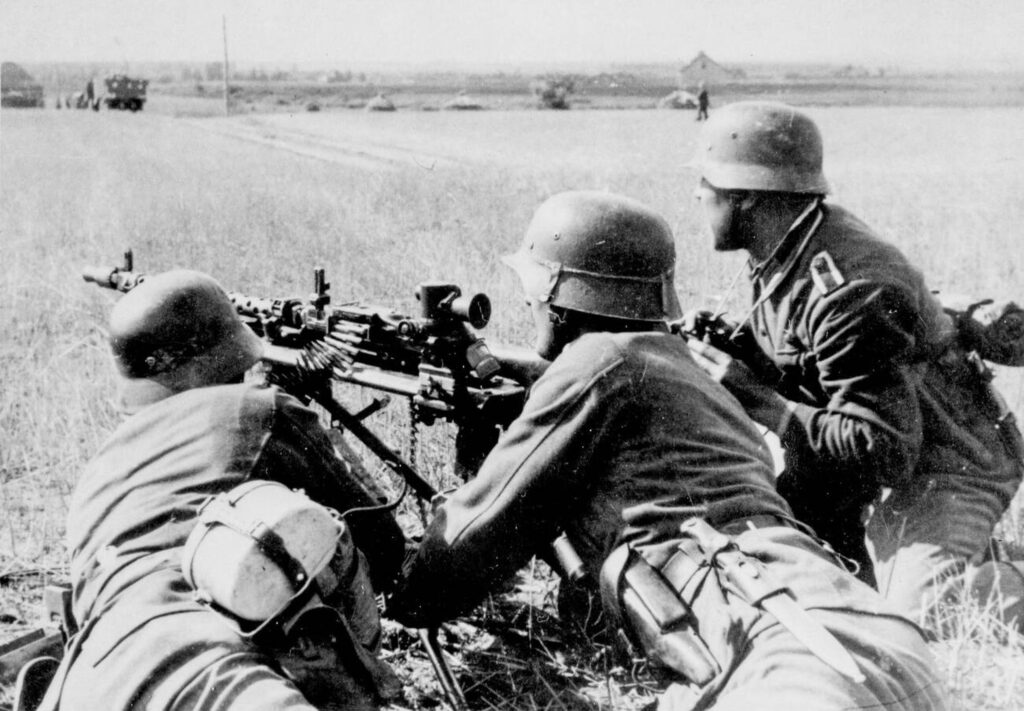
This approach created an institutional culture that valued initiative, adaptability, and rapid decision-making. Blitzkrieg’s later emphasis on tempo and exploitation was not revolutionary in this sense; it was the logical extension of a deeply ingrained command tradition.
Intellectual Influences Beyond Germany
Carl von Clausewitz
Carl von Clausewitz’s influence remained central to German military education throughout the interwar period. His analysis of friction, uncertainty, and the dynamic interaction between opposing forces reinforced the belief that wars could not be reduced to rigid formulas.

Clausewitz emphasized decisive engagement and the destruction of the enemy’s will to resist. Although he did not anticipate mechanized warfare, his conceptual framework strongly influenced German thinking about operational decisiveness.
J.F.C. Fuller and British Armored Theory
Ironically, some of the most influential ideas related to armored warfare originated outside Germany. British theorist J.F.C. Fuller argued that tanks could bypass enemy front lines and strike command, communication, and logistical centers deep in the rear.
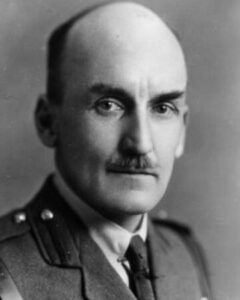
While the British Army failed to fully implement Fuller’s ideas, German officers studied them with interest. These concepts resonated with German efforts to avoid static warfare and achieve rapid operational collapse.
Basil Liddell Hart and the Indirect Approach
Basil Liddell Hart’s theory of the indirect approach advocated avoiding enemy strengths and targeting weaknesses to achieve strategic paralysis. His writings gained international attention during the interwar years.

Postwar claims that German generals directly adopted Liddell Hart’s theories remain controversial. Most evidence suggests parallel intellectual development rather than direct doctrinal borrowing.
Interwar Experimentation and Mechanization
German Armored Development in Secrecy
Despite Versailles restrictions, Germany pursued clandestine military experimentation throughout the 1920s and early 1930s. Cooperation with the Soviet Union enabled German officers to train with tanks and aircraft at secret facilities.
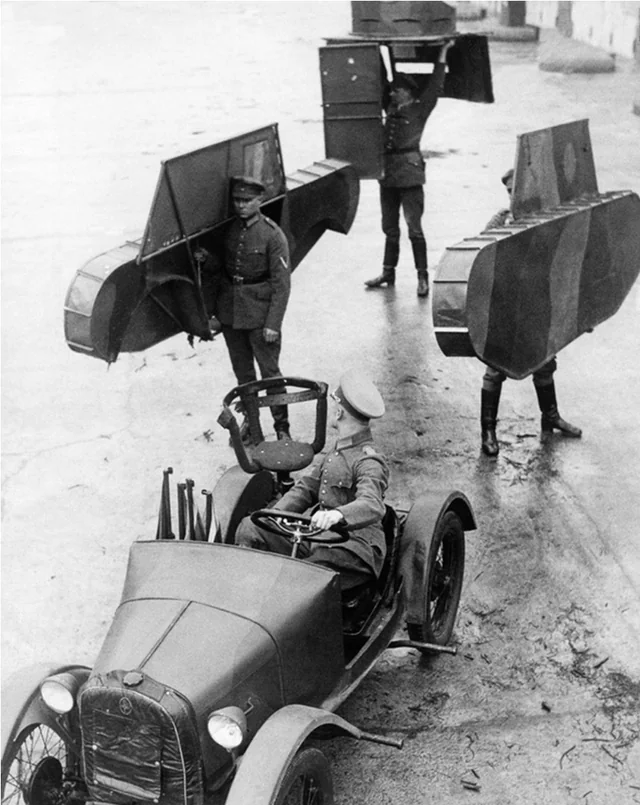
These experiments contributed to German understanding of armored maneuver, radio communication, and combined-arms coordination.
The Role of Heinz Guderian
No figure is more closely associated with Blitzkrieg than Heinz Guderian. A vocal advocate of concentrated armored formations, Guderian argued that tanks should operate as independent striking forces rather than being dispersed among infantry units.
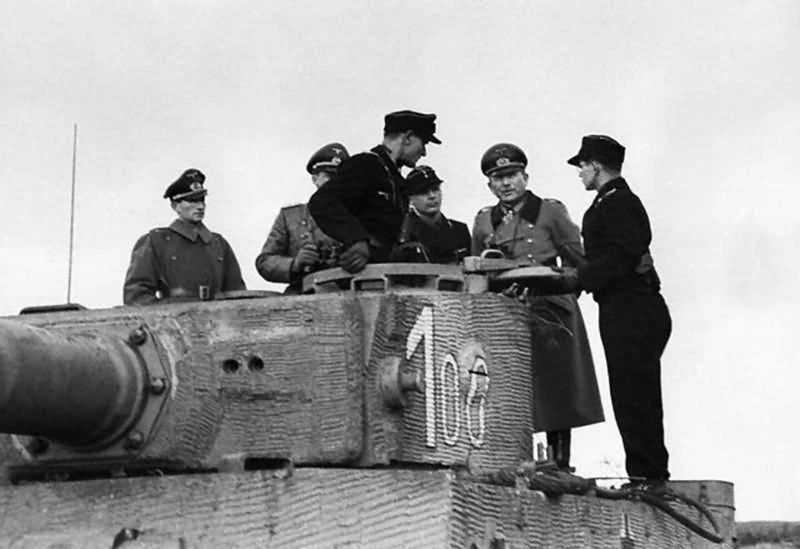
However, Guderian’s views were not universally accepted, highlighting internal debates within the German military over mechanization and doctrine.
Combined Arms: Theory Versus Idealization
The theoretical model underlying Blitzkrieg emphasized close coordination between tanks, infantry, artillery, and air power. In theory, this integration would overwhelm enemy defenses and collapse command structures.
In practice, such coordination proved far more difficult, often limited by terrain, communication failures, and logistical constraints.
Speed as a Strategic Substitute
Speed became central to German operational thinking because it compensated for Germany’s economic and industrial inferiority. Rapid victory was not merely desirable—it was strategically necessary.
This reliance on speed created inherent risks. When momentum stalled, German forces lacked the resources to sustain prolonged conflict.
Myth Formation and Postwar Interpretation
The dramatic victories of 1939–1940 produced a powerful narrative of Blitzkrieg as an unstoppable war-winning formula. Postwar memoirs and popular histories further reinforced this image.
Modern scholarship, however, increasingly views Blitzkrieg as context-dependent rather than universally applicable.
Transition: From Origins to Early Application
The theoretical foundations of Blitzkrieg emerged from a convergence of prewar constraints, interwar experimentation, and selective adaptation of foreign military ideas. However, theory alone does not determine battlefield outcomes. The true test of Blitzkrieg lay not in doctrinal writings or staff exercises, but in its translation into operational practice during the opening campaigns of the Second World War.
The following section examines how Blitzkrieg functioned under combat conditions between 1939 and 1941, assessing the degree to which German operations reflected deliberate doctrine versus improvisation shaped by circumstance, opportunity, and enemy weakness.
Part II — Blitzkrieg in Practice: Poland 1939 and France 1940
From Theory to Battlefield Application
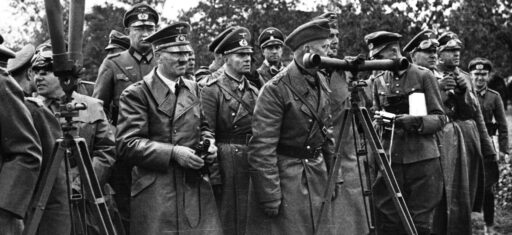
The transition from theoretical concepts to battlefield application is where Blitzkrieg’s true nature becomes visible. The campaigns in Poland (1939) and France (1940) are often cited as textbook examples of Blitzkrieg in action. Yet, closer examination reveals a far more complex reality—one shaped by improvisation, uneven execution, and enemy shortcomings as much as doctrinal clarity.
Rather than flawless implementation of a pre-designed doctrine, these campaigns demonstrate how German forces adapted existing principles under favorable circumstances.
The Invasion of Poland (September 1939)
Strategic Context
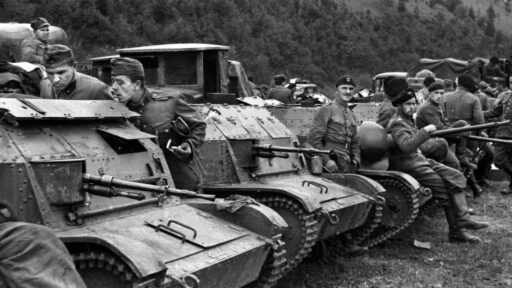
The invasion of Poland marked the first large-scale test of German operational concepts since World War I. Germany faced a geographically exposed opponent with limited mechanization and strategic depth. However, Poland was not militarily insignificant; it possessed a large army, experienced officers, and strong defensive intent.
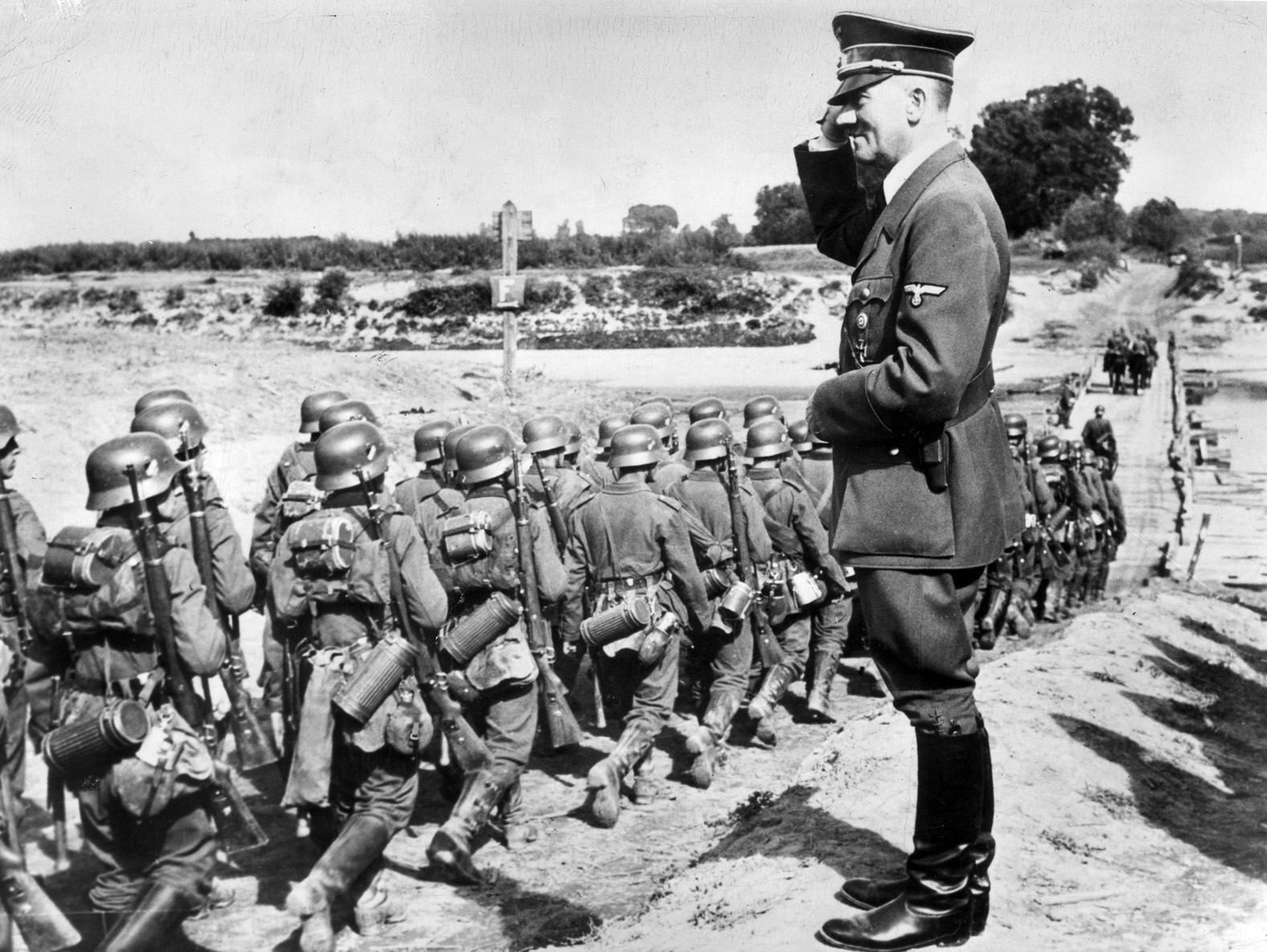
German strategic objectives were clear:
- Rapid destruction of Polish field armies
- Prevention of organized retreat
- Avoidance of prolonged engagement
Speed was essential not only for military success but also to preempt Allied intervention.
Operational Execution
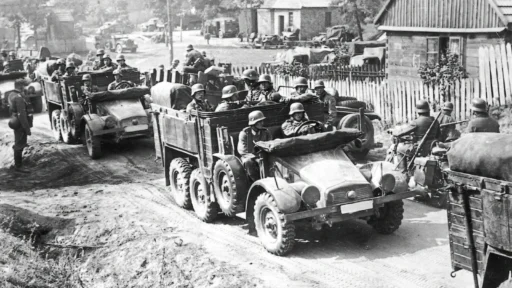
German forces advanced along multiple axes, employing armored and motorized units to penetrate Polish defenses while infantry followed to secure territory.
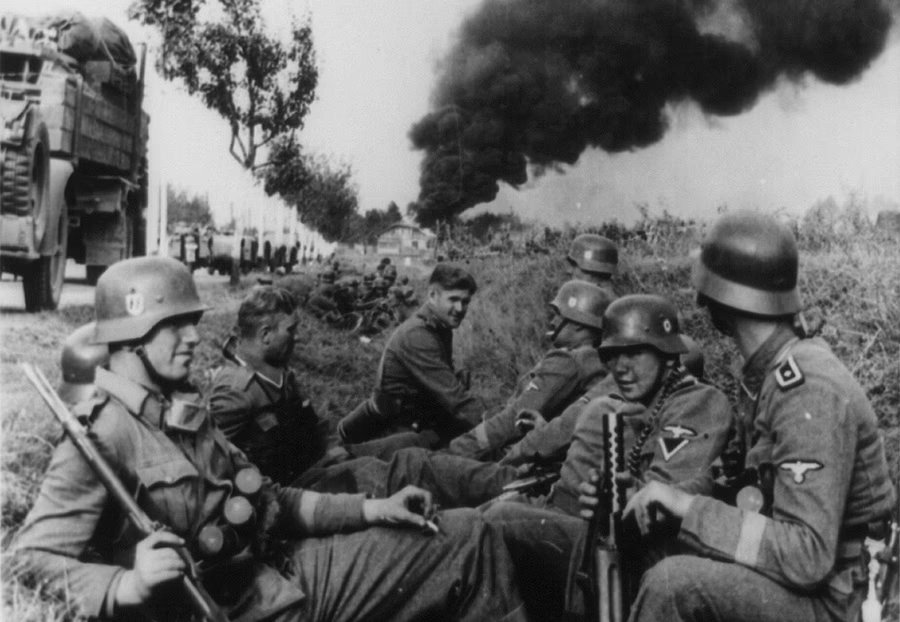
Key characteristics of the campaign included:
- Concentration of armor at decisive points
- Close air support by the Luftwaffe
- Aggressive exploitation of breakthroughs
However, contrary to popular belief, many German divisions remained foot-mobile, and logistical movement relied heavily on horse-drawn transport.
Air Power and Psychological Shock
The Luftwaffe played a critical role in disrupting Polish mobilization and communications. Air strikes targeted rail hubs, bridges, and command centers, contributing to operational dislocation.
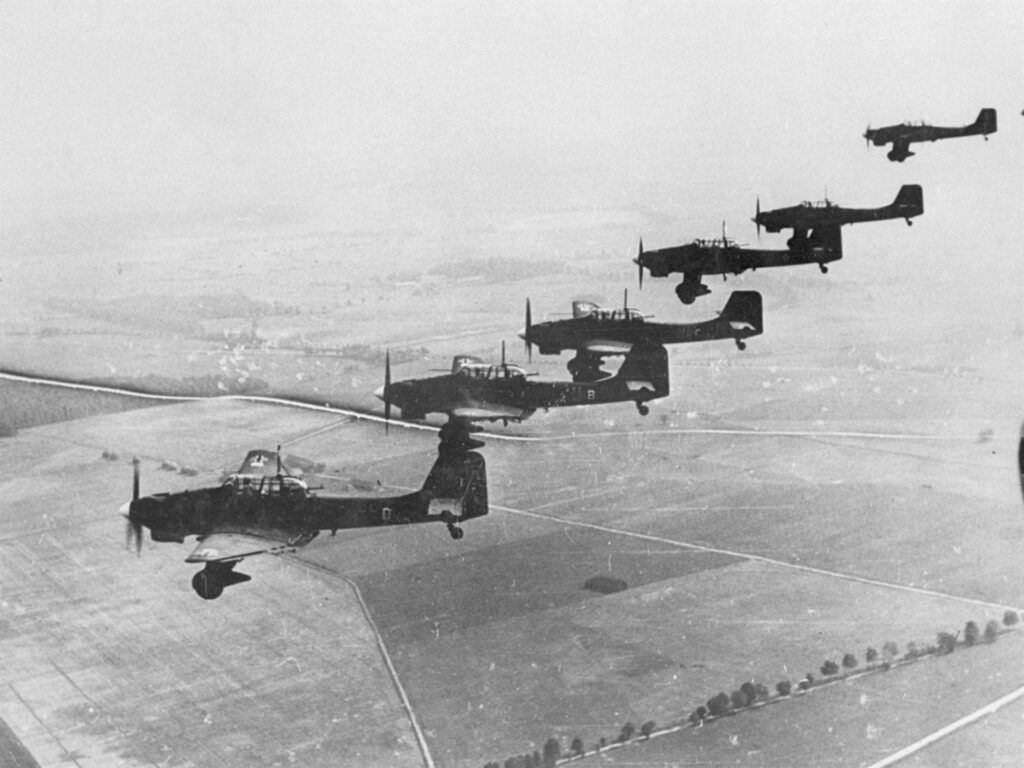
While often portrayed as terror bombing, these air operations were primarily tactical and operational in nature, aimed at supporting ground maneuver rather than breaking civilian morale.
Limitations and Friction
Despite rapid advances, German operations encountered significant friction:
- Congested roads slowed armored units
- Coordination between infantry and armor was inconsistent
- Polish counterattacks inflicted local setbacks
Blitzkrieg in Poland succeeded not because of perfect execution but because German forces maintained momentum while Polish command structures collapsed under pressure.
Soviet Intervention and Strategic Closure
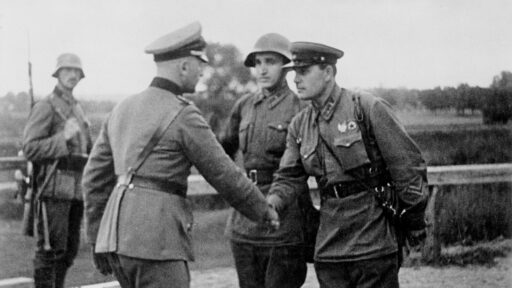
The Soviet invasion of eastern Poland on 17 September 1939 decisively sealed Poland’s fate.
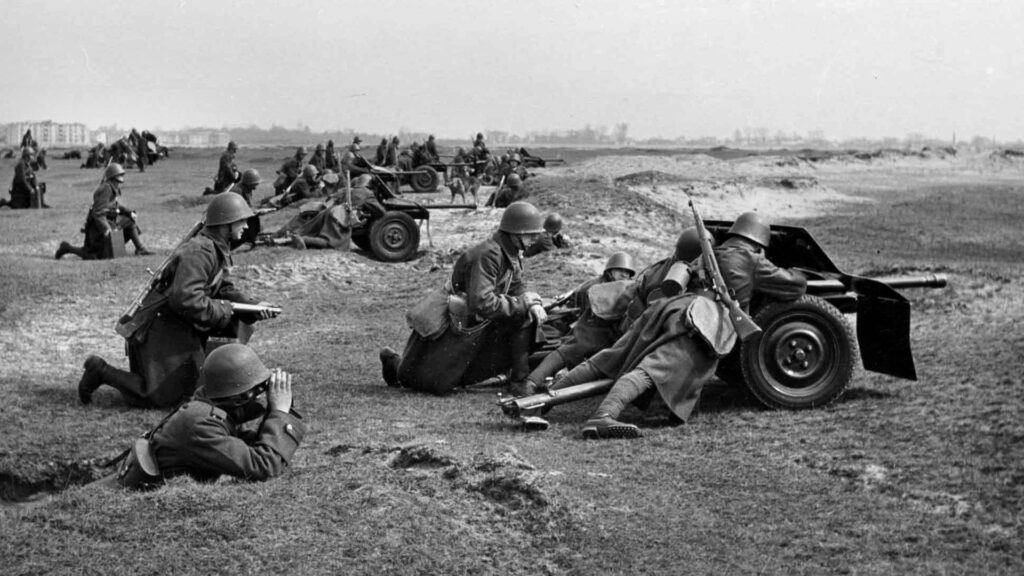
This intervention eliminated any remaining strategic depth and highlighted how political coordination shaped military outcomes beyond purely operational considerations.
Lessons from Poland: Misinterpretation and Overconfidence
The rapid defeat of Poland reinforced German confidence in maneuver-based warfare. However, it also encouraged dangerous assumptions:
- That speed alone could compensate for logistical weakness
- That future enemies would collapse as quickly
- That armored breakthroughs guaranteed strategic victory
These assumptions would shape German planning for subsequent campaigns.
The Western Campaign and the Fall of France (1940)
Strategic Expectations and the Shadow of World War I
In 1940, German planners faced a far more formidable opponent. France possessed a large, modern army, extensive fortifications, and numerical superiority in tanks.
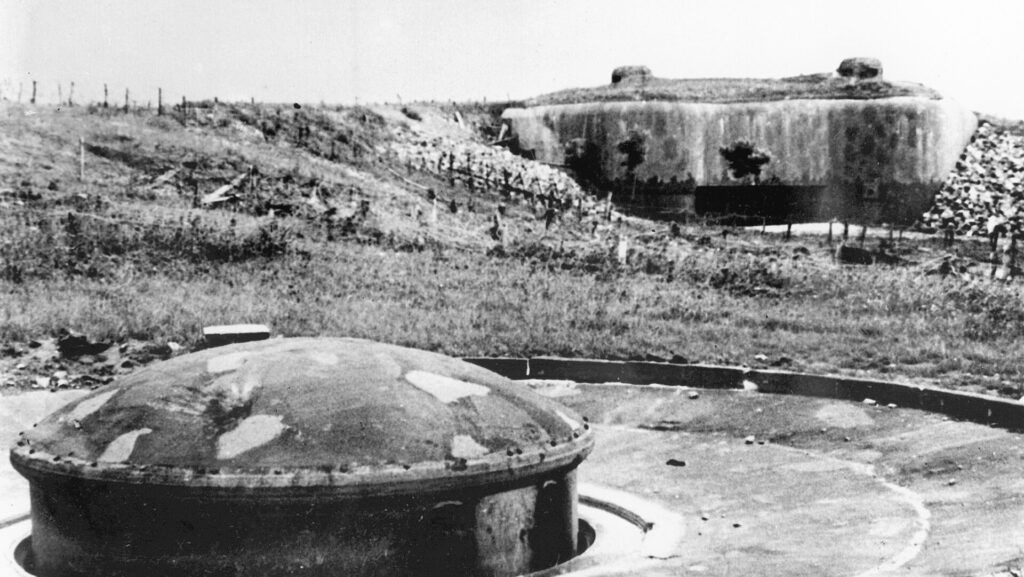
Both sides initially expected a slow, methodical campaign reminiscent of World War I. German victory would depend on achieving surprise at the operational level.
The Ardennes Plan and Operational Innovation
The decisive breakthrough came not through frontal assault but via the Ardennes—a region the Allies considered unsuitable for large armored formations.
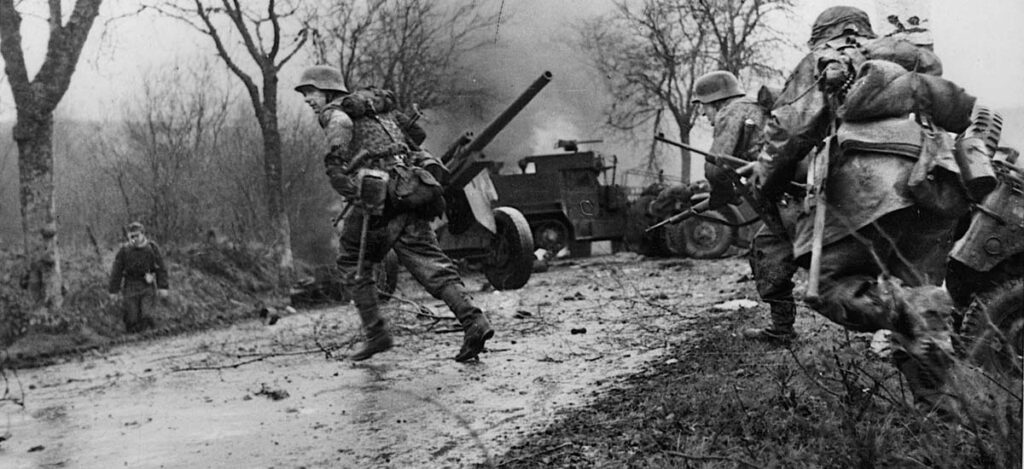
German armored divisions advanced rapidly through difficult terrain, exploiting Allied miscalculations and rigid command structures.
This maneuver represented:
- Operational audacity rather than doctrinal certainty
- Risk accepted due to strategic necessity
Command Flexibility and Auftragstaktik in Action
German success in France owed much to decentralized command. Field commanders exploited opportunities without awaiting higher authorization.
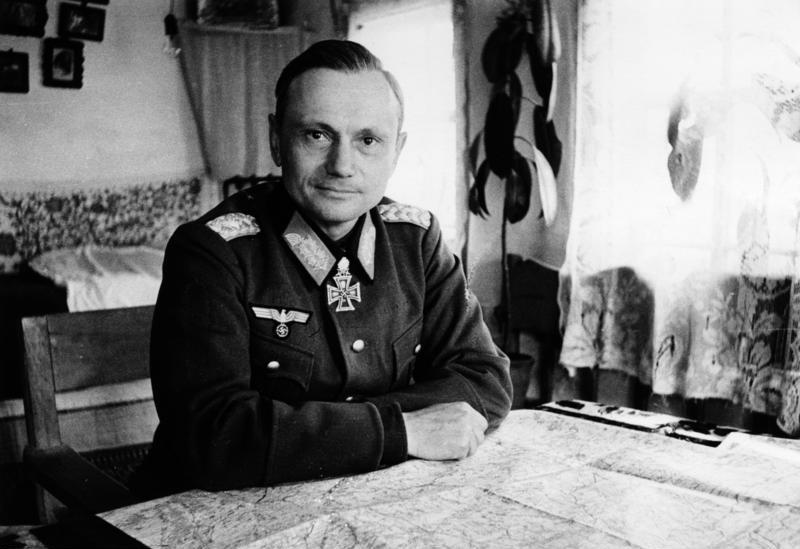
This flexibility contrasted sharply with the centralized and slower Allied command systems.
Luftwaffe Support and Combined Arms Reality
Air power again played a critical role, but coordination was far from seamless. Luftwaffe units frequently acted independently, responding to battlefield demands rather than executing pre-planned joint operations.
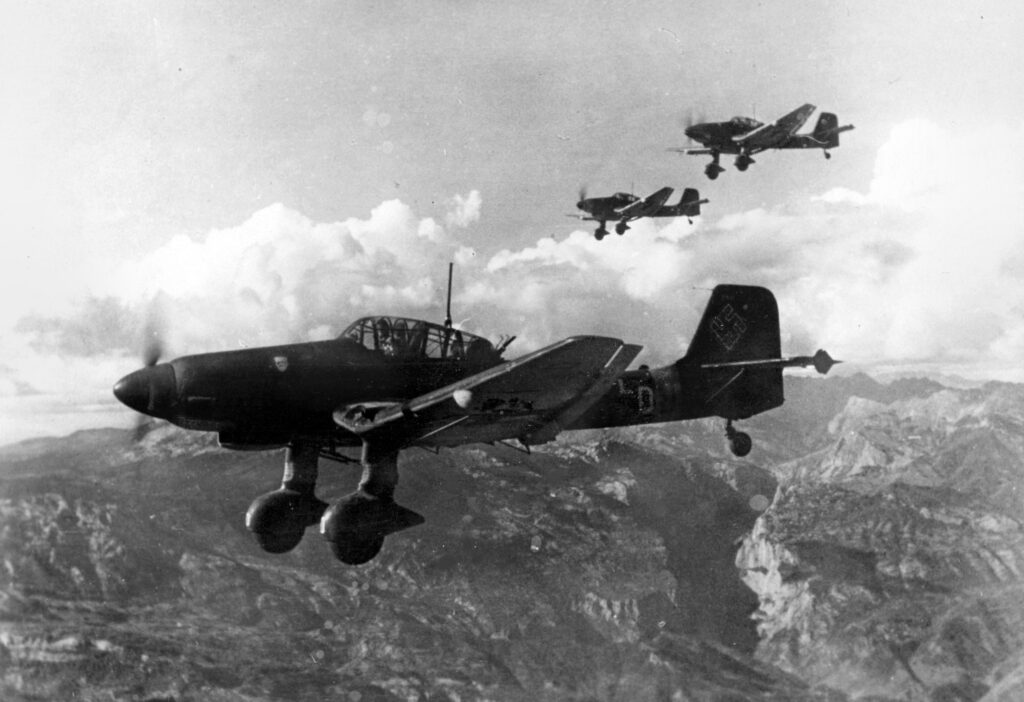
The effectiveness of air-ground cooperation depended more on initiative than doctrinal perfection.
Dunkirk: Success and Strategic Failure
The evacuation at Dunkirk preserved the core of the British Army but highlighted limitations in German operational thinking.
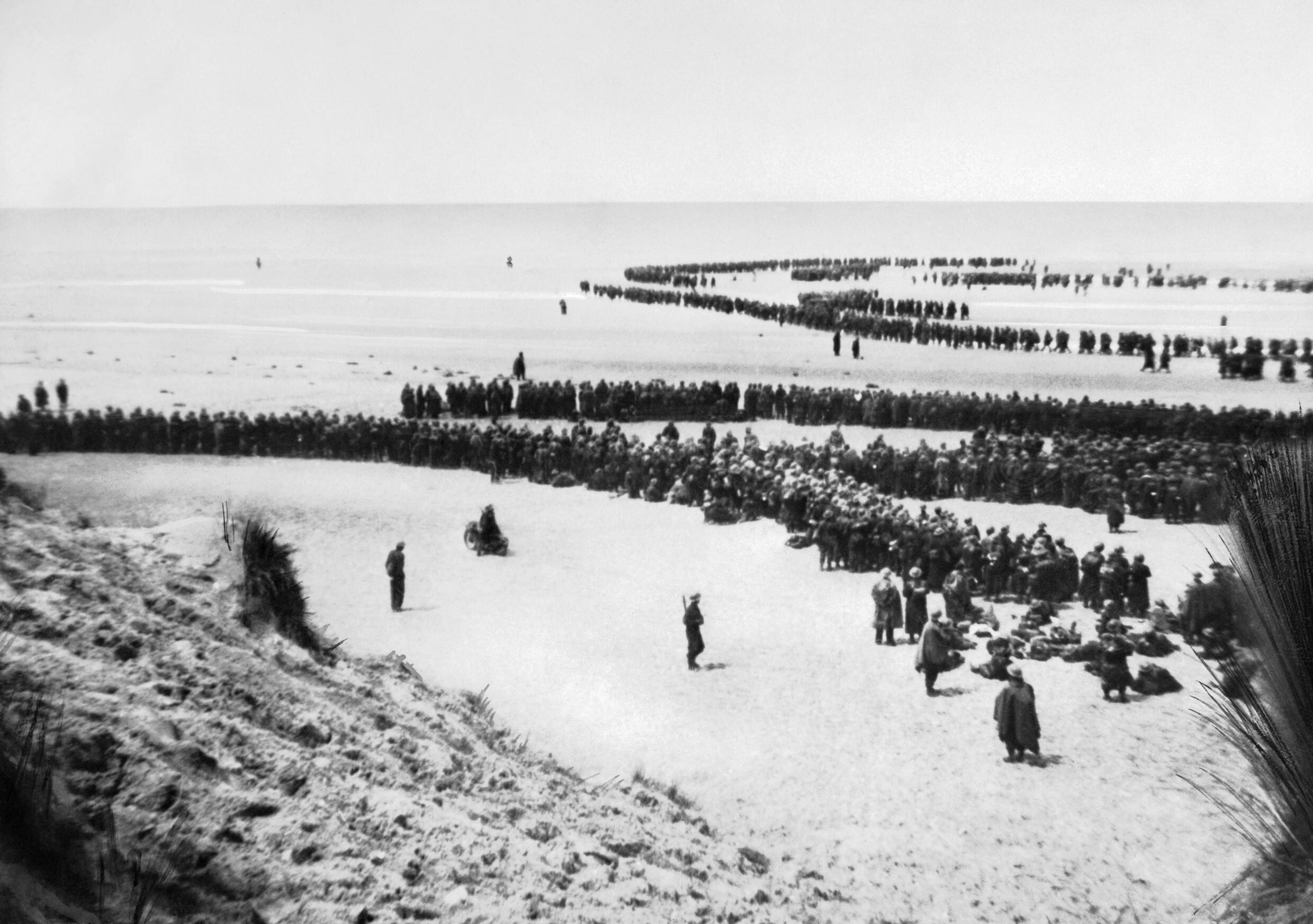
German hesitation and logistical concerns allowed the evacuation to proceed, revealing that Blitzkrieg did not guarantee strategic annihilation.
Structural Weaknesses Revealed
Despite victory, the French campaign exposed several weaknesses:
- Overextended supply lines
- Mechanical breakdowns of armored vehicles
- Reliance on enemy disorganization
These vulnerabilities were masked by success but would become critical in later campaigns.
Blitzkrieg as Opportunity Exploitation, Not Formula
The campaigns of 1939–1940 demonstrate that Blitzkrieg functioned less as a rigid doctrine and more as a method of exploiting favorable conditions:
- Enemy doctrinal rigidity
- Political surprise
- Operational audacity
German victory resulted from adaptability, not inevitability.
Transition: From Early Success to Structural Limits
Early German victories in Poland, France, and the Low Countries created the impression of an unstoppable operational system. Yet these successes masked underlying vulnerabilities within the Blitzkrieg approach—particularly its dependence on favorable conditions, short campaigns, and limited strategic depth.
As the war expanded geographically and temporally, these weaknesses became increasingly apparent. The next section explores how Blitzkrieg confronted environments for which it was never designed: prolonged campaigns, hostile terrain, resilient enemies, and the immense demands of continental-scale warfare.
Part III — Blitzkrieg Confronts Reality: Operation Barbarossa
Strategic Ambition and Ideological Warfare
Operation Barbarossa, launched on 22 June 1941, represented the most ambitious military operation in modern history. Unlike previous campaigns, the invasion of the Soviet Union was not merely a military undertaking but an ideological war aimed at territorial conquest, economic exploitation, and the destruction of perceived racial and political enemies.
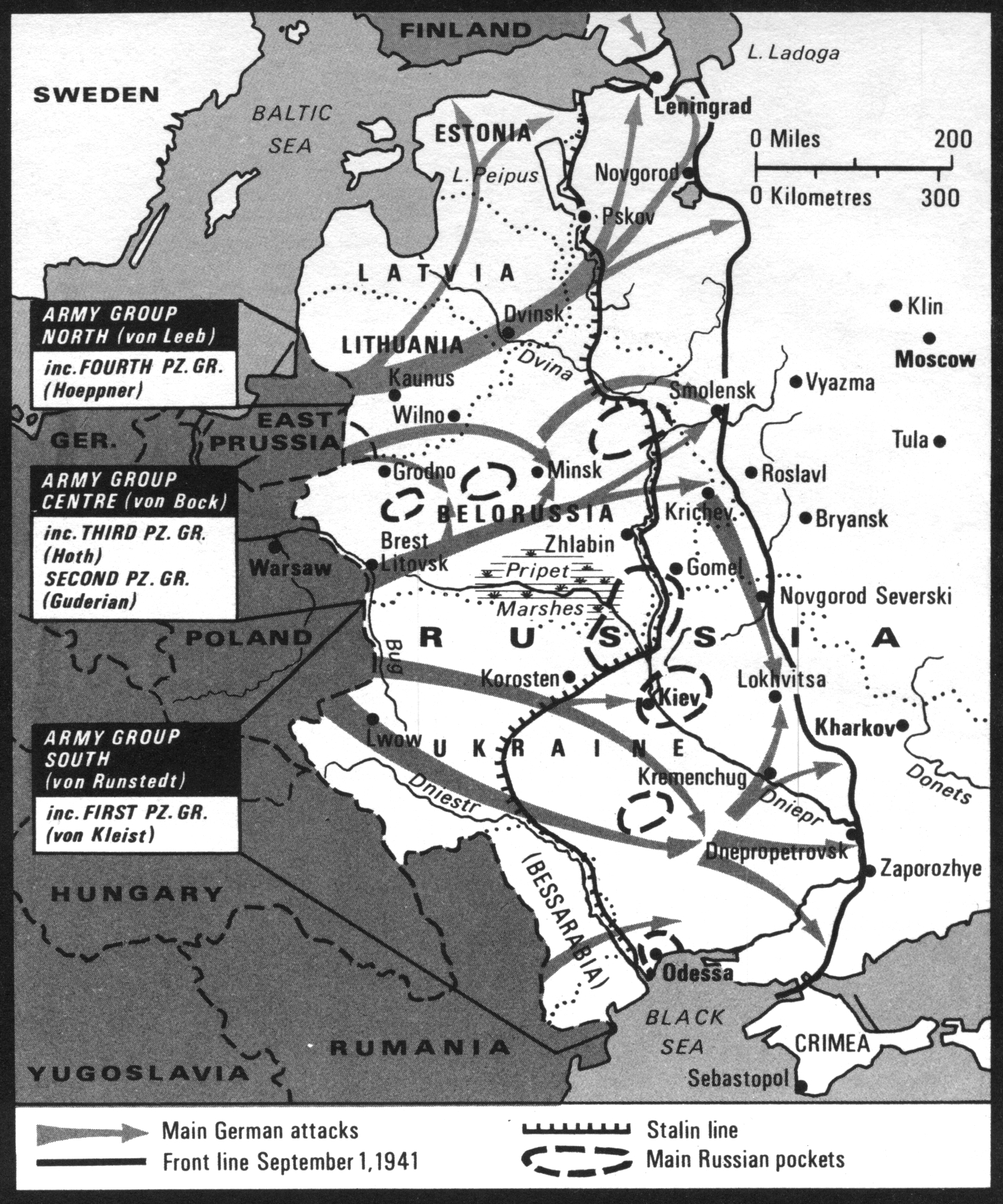
German planners assumed that the Red Army could be destroyed within a matter of weeks through rapid encirclement battles. Blitzkrieg, as an operational method, was expected to deliver decisive results before logistical and economic limitations became decisive.
Initial Successes: Encirclement and Momentum
Operational Shock and Tactical Surprise
The opening weeks of Barbarossa appeared to validate German expectations. Massive encirclement battles at Minsk, Smolensk, and Kiev resulted in the capture or destruction of hundreds of thousands of Soviet troops.
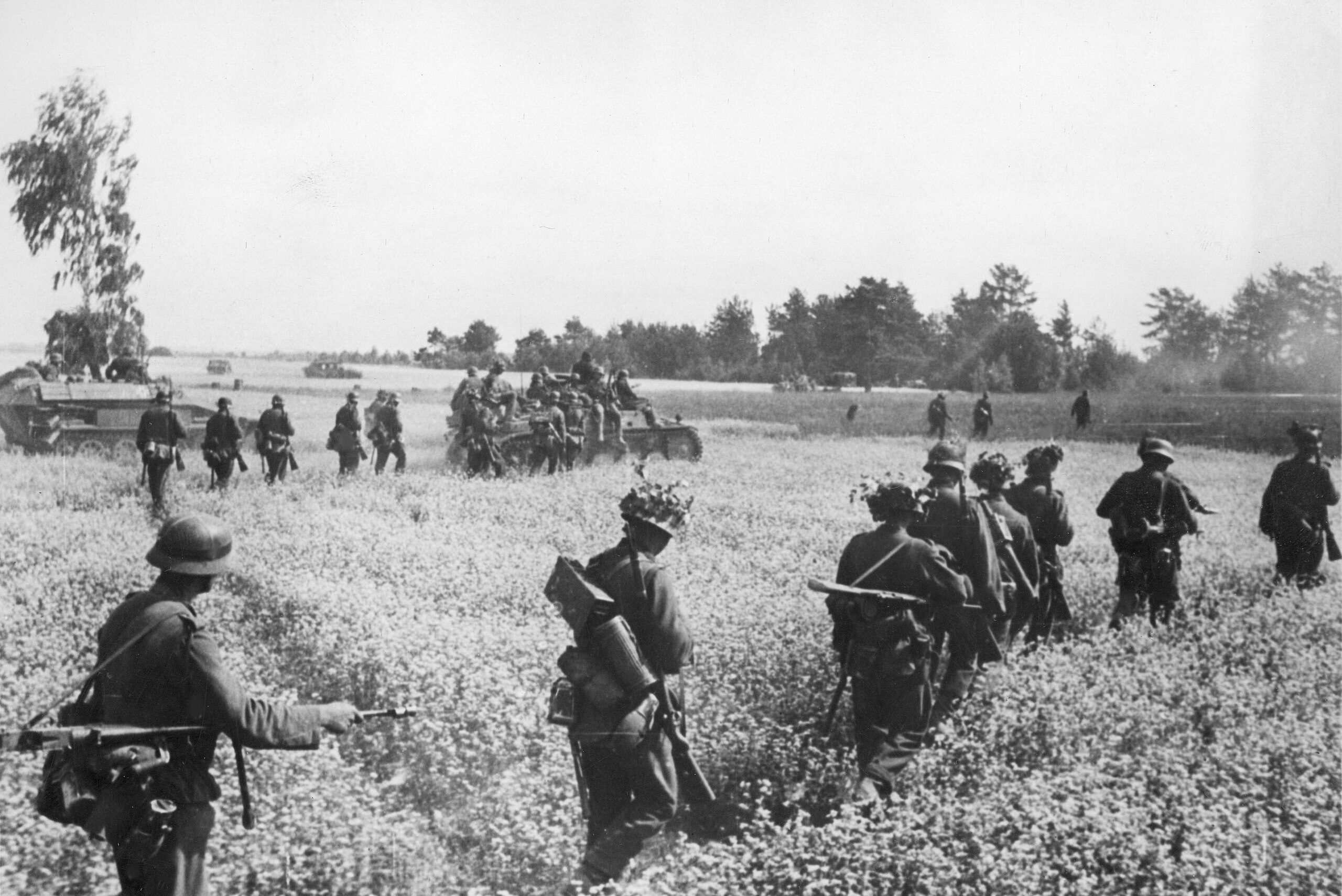
Key factors contributing to early success included:
- Tactical surprise
- Superior operational coordination
- Soviet command disarray
Blitzkrieg-style maneuver enabled German forces to penetrate deep into Soviet territory at unprecedented speed.
Luftwaffe Dominance in the Opening Phase
German air power played a critical role in neutralizing Soviet aviation on the ground during the initial days of the invasion.
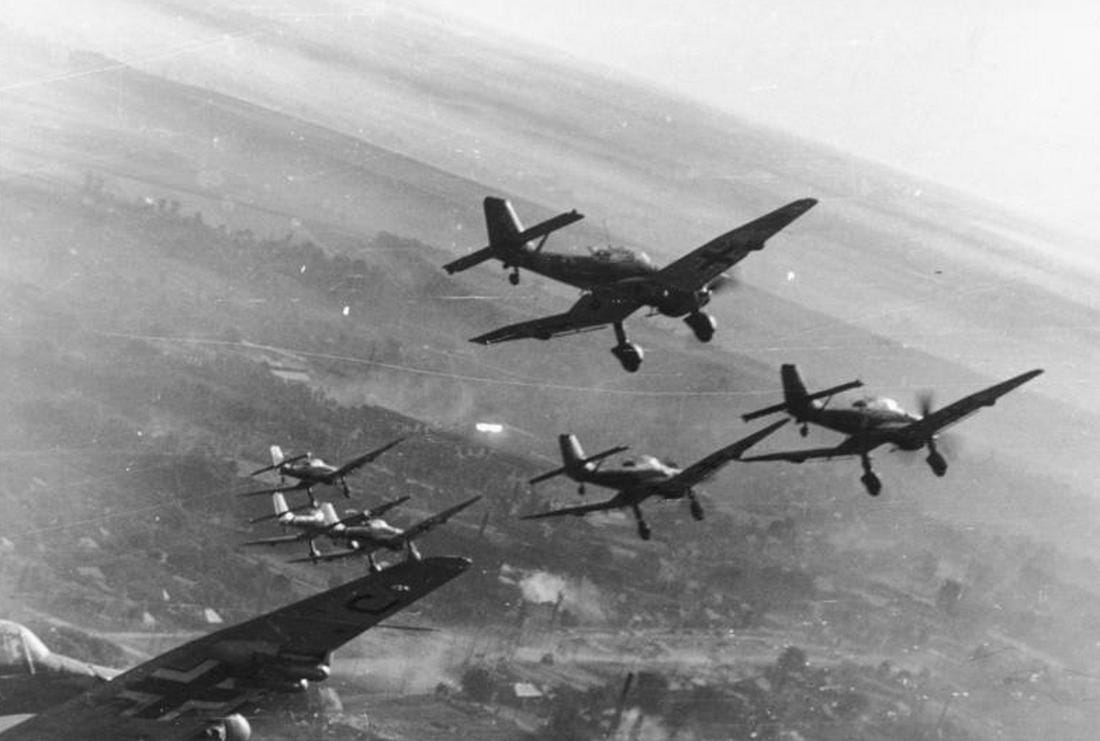
Air superiority allowed German ground forces to maneuver with minimal interference, reinforcing the perception that Blitzkrieg remained universally effective.
Structural Limits of Blitzkrieg in the East
Geography and Scale
The sheer size of the Soviet Union fundamentally altered the operational environment. Distances that had seemed manageable in Western Europe now imposed severe logistical strain.
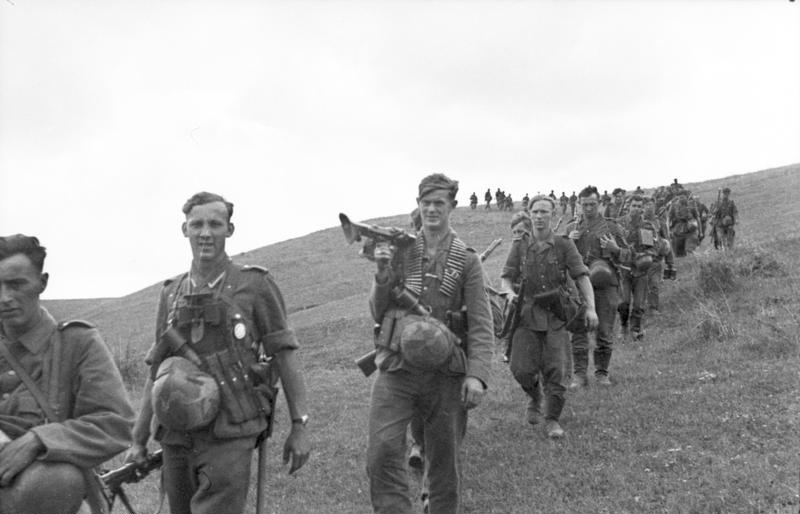
German supply lines stretched hundreds of kilometers, and the pace of advance increasingly outpaced logistical capacity.
Logistics and Infrastructure
Blitzkrieg relied on rapid movement, yet the Soviet road and rail network was poorly suited to sustained mechanized operations.
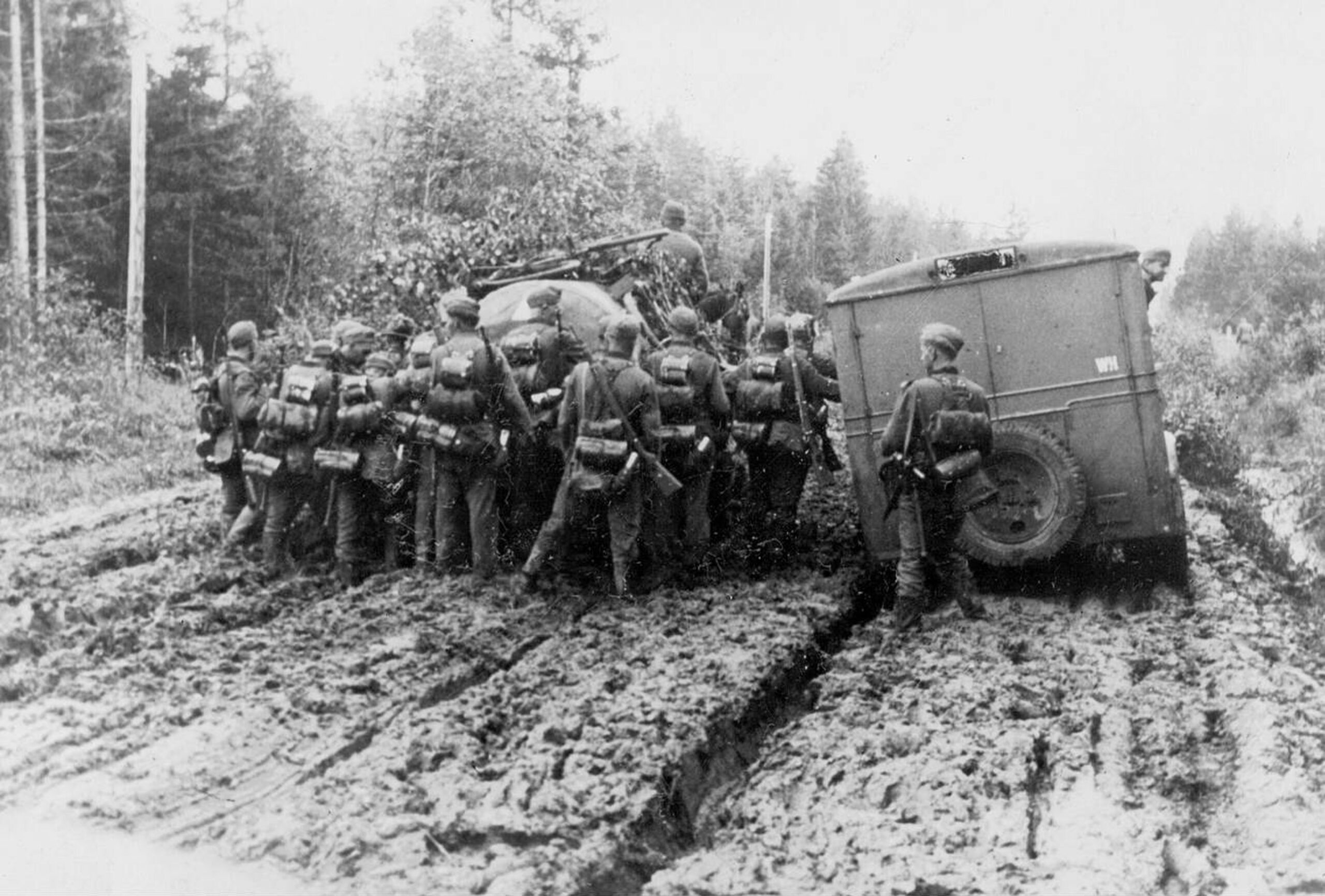
Problems included:
- Incompatible rail gauges
- Shortages of fuel and spare parts
- Dependence on horse-drawn transport
Speed, once an advantage, became a liability.
Soviet Adaptation and Recovery
Red Army Reconstitution
Contrary to German expectations, Soviet resistance did not collapse. The Red Army absorbed catastrophic losses yet continued to regenerate forces.
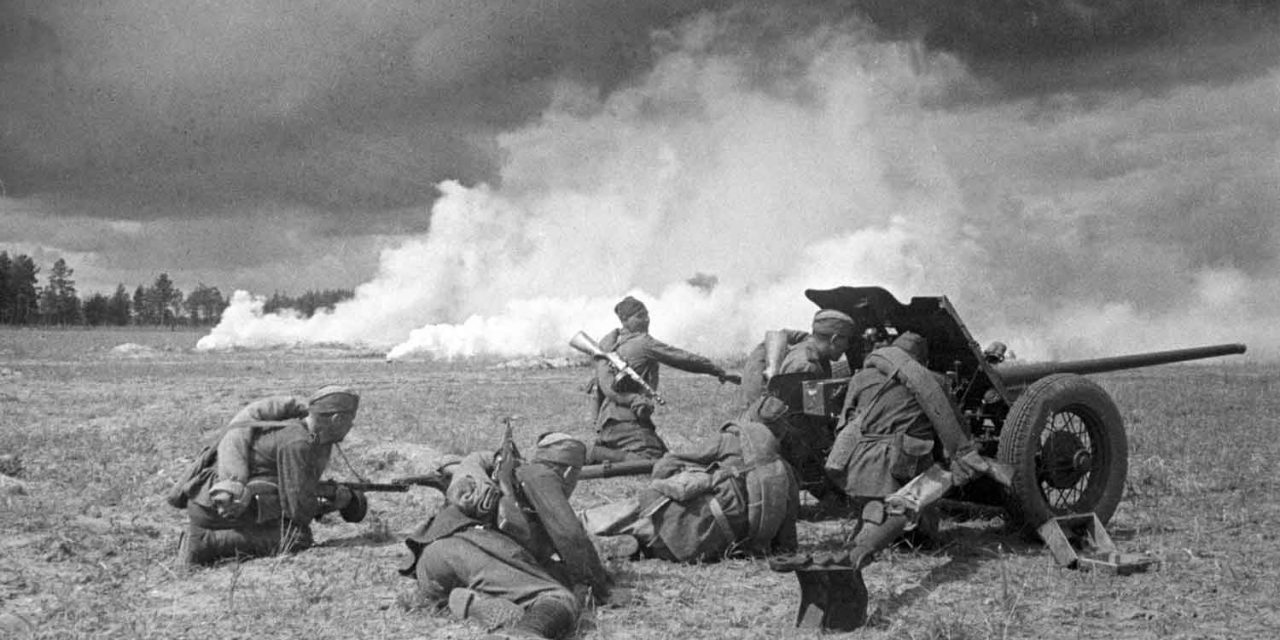
Soviet advantages included:
- Vast manpower reserves
- Centralized industrial relocation
- Ruthless command discipline
The strategic depth of the Soviet state neutralized Blitzkrieg’s promise of rapid victory.
Defensive Depth and Elastic Resistance
Soviet forces increasingly adopted layered defenses, trading space for time.
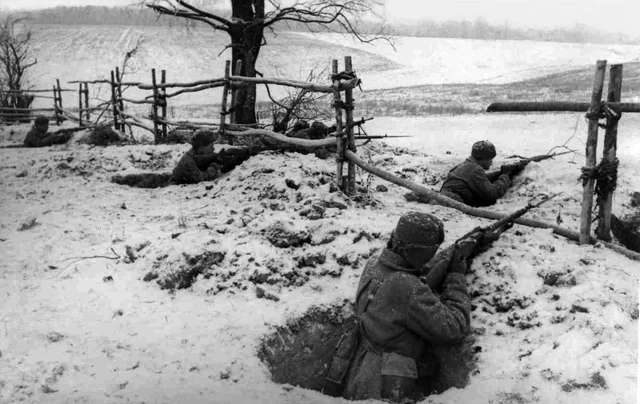
This approach disrupted German momentum and forced repeated costly engagements.
Command Friction and Strategic Disunity
Divergent Objectives
German strategic leadership failed to maintain unity of purpose. Competing priorities—Leningrad, Moscow, Ukraine—fragmented operational focus.
Blitzkrieg required concentration; dispersion undermined its effectiveness.
Hitler’s Intervention
Increasing political interference further constrained operational flexibility. Decisions increasingly favored ideological goals over military logic.
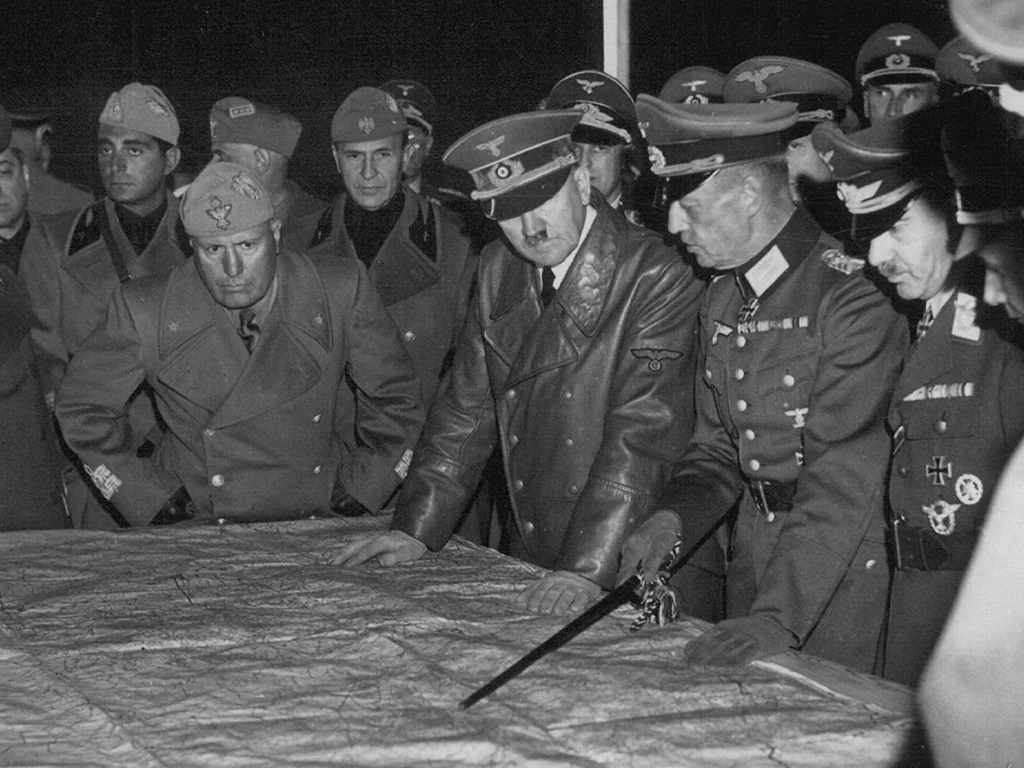
Centralized decision-making eroded the decentralized initiative that had previously enabled success.
The Battle for Moscow and the Limits of Speed
As German forces approached Moscow, winter conditions compounded existing logistical strain.
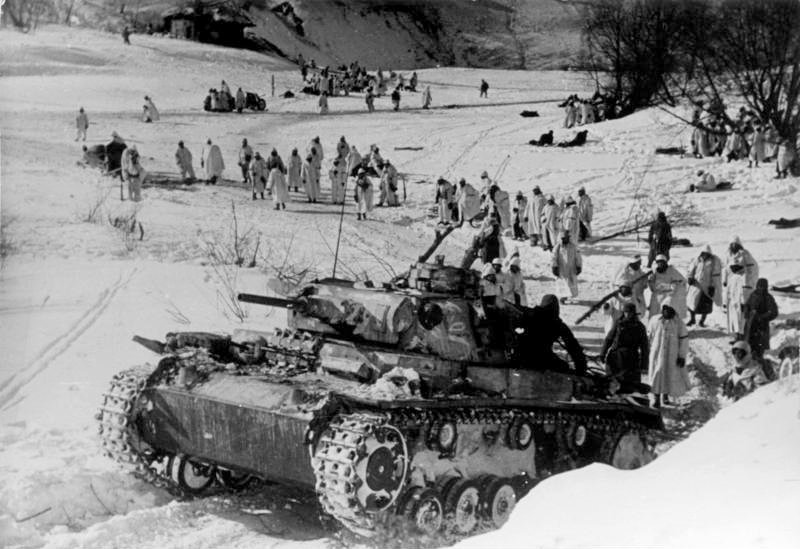
The failure to capture Moscow marked a decisive turning point:
- Blitzkrieg failed to deliver strategic collapse
- German forces became locked in a prolonged war
- Initiative gradually shifted to the Soviet side
From Maneuver to Attrition
By late 1941, German operations increasingly resembled attritional warfare—precisely the form of conflict Blitzkrieg sought to avoid.
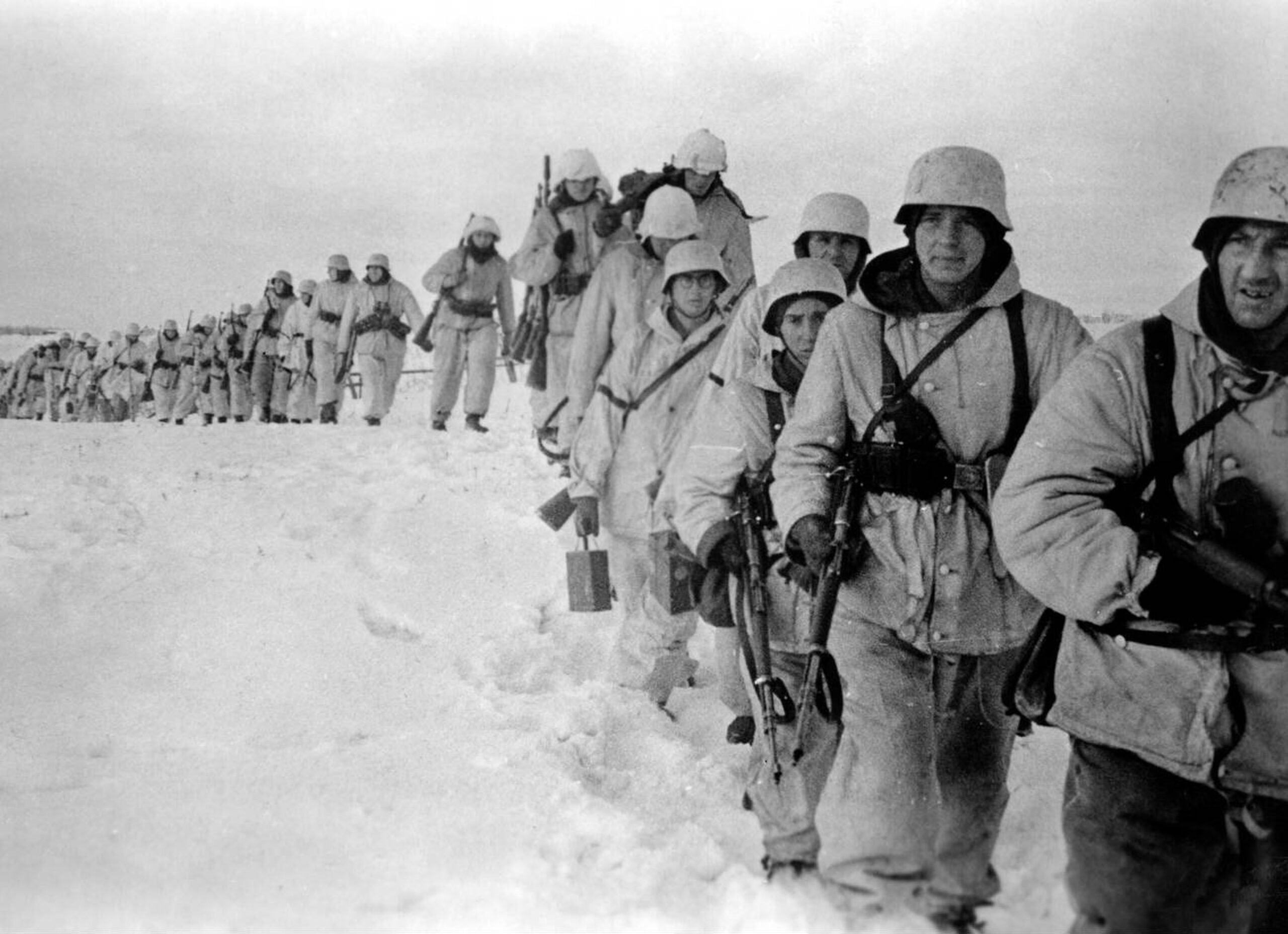
Operational momentum could not be sustained indefinitely without economic and industrial superiority.
Reassessment of Blitzkrieg’s Applicability
Operation Barbarossa demonstrated that Blitzkrieg was not a universal solution. Its effectiveness depended on:
- Limited geographic depth
- Enemy doctrinal rigidity
- Favorable political conditions
When these factors disappeared, Blitzkrieg lost its decisive power.
Transition: From Operational Crisis to Strategic Failure
By 1942, Blitzkrieg had ceased to function as an operational solution and instead became a liability. German forces remained tactically proficient, but the strategic context had shifted decisively against them. Attrition, industrial imbalance, and coalition warfare exposed the inability of rapid maneuver alone to deliver victory.
The following section places Blitzkrieg within a broader comparative framework, analyzing why Germany’s operational model failed to adapt while its adversaries—most notably the Soviet Union and the Western Allies—developed more resilient systems of war.
Part IV — From Blitzkrieg to Attrition: Adaptation and Decline
The Strategic Shift After 1941
By the end of 1941, it was increasingly evident that Blitzkrieg had failed to achieve its central objective: a short, decisive war. Germany now faced a prolonged conflict against industrially and demographically superior enemies. The doctrinal foundations of Blitzkrieg—speed, surprise, and decisive encirclement—were increasingly incompatible with the realities of total war.
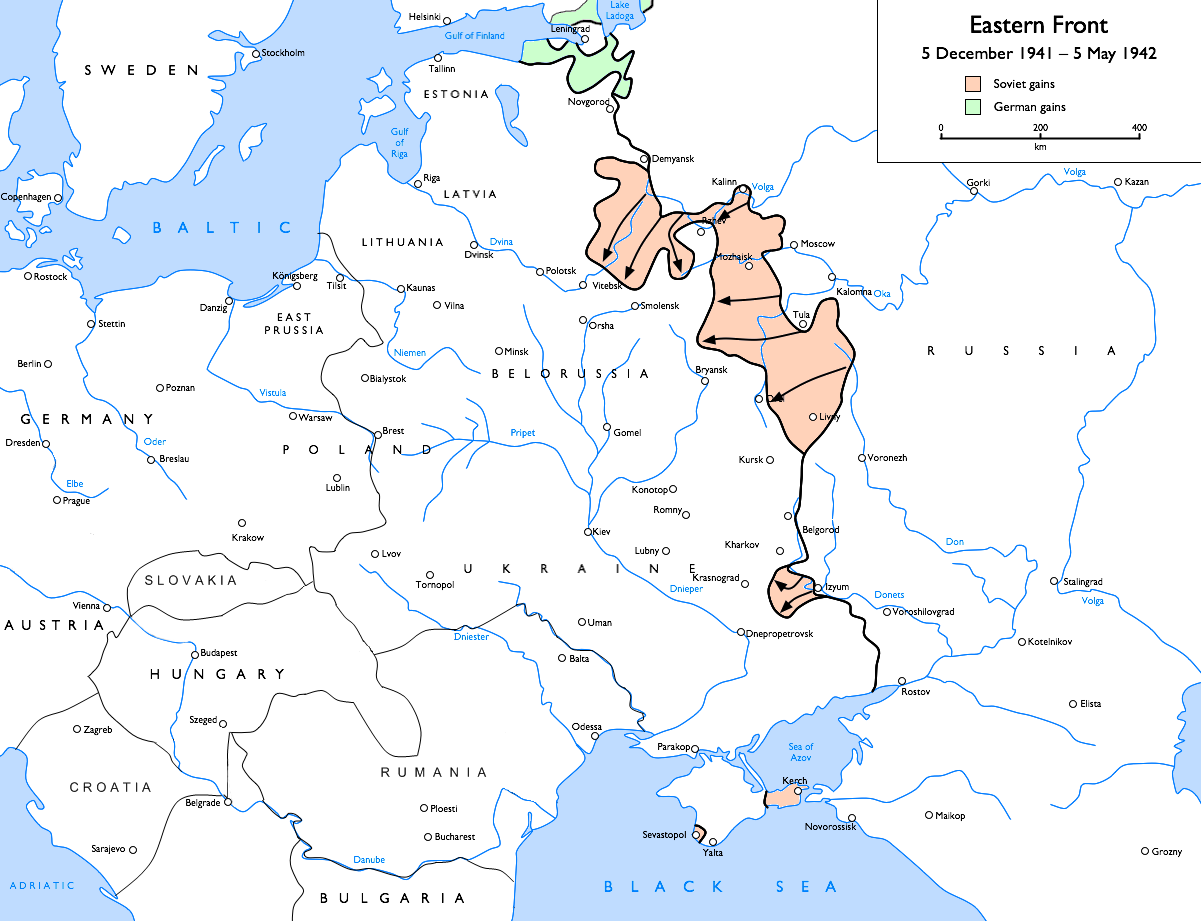
This transition forced German military planners into a reactive posture, where improvisation replaced doctrine and attrition replaced maneuver.
The Failure to Institutionalize Blitzkrieg
Blitzkrieg as Method, Not Doctrine
One of the most significant weaknesses of Blitzkrieg was that it never became a fully codified doctrine within the German armed forces. Unlike later Soviet “Deep Battle” theory, Blitzkrieg existed largely as a set of operational habits rather than a formalized system.
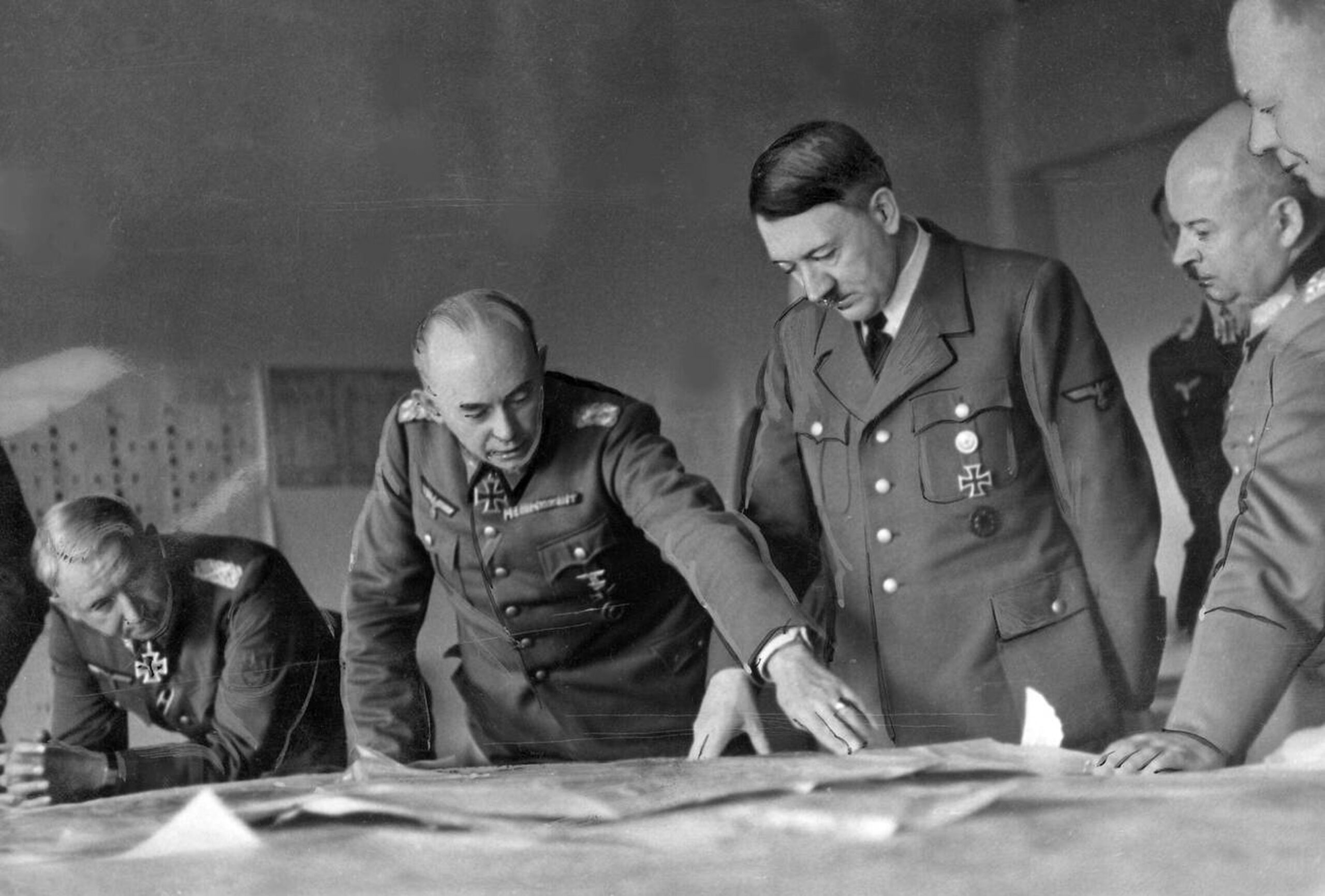
This lack of institutional clarity meant that Blitzkrieg could not easily evolve when conditions changed.
Training and Replacement Limitations
As casualties mounted, Germany increasingly relied on hastily trained replacements lacking the experience necessary for complex mobile operations.
The effectiveness of combined-arms coordination declined steadily, undermining the very foundation of Blitzkrieg.
Stalingrad: The Death of Operational Freedom
Urban Warfare and Encirclement Reversed
The Battle of Stalingrad (1942–1943) marked the definitive end of Blitzkrieg as an offensive strategy. German forces became trapped in prolonged urban combat, where maneuver warfare offered few advantages.
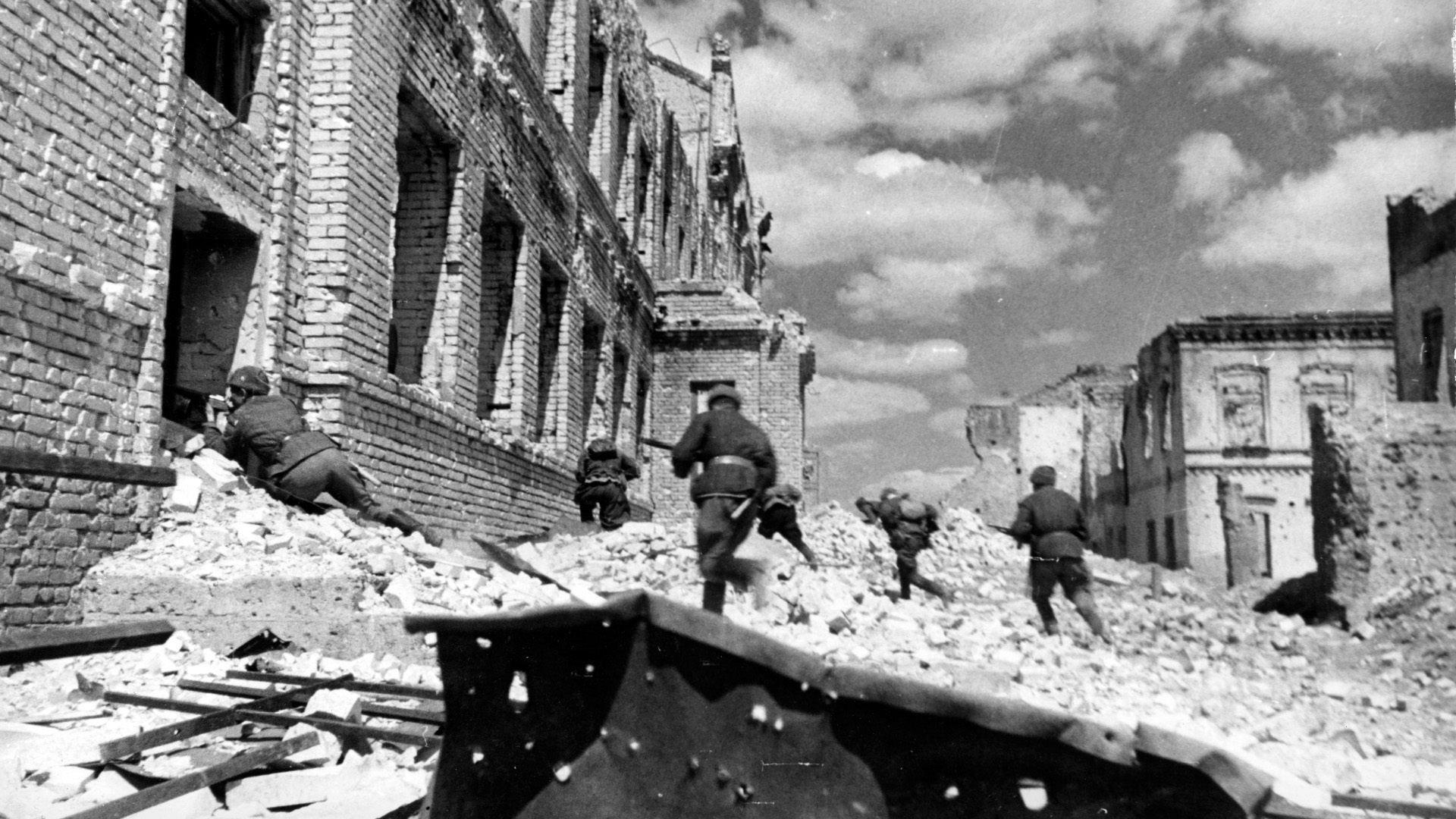
Instead of encircling the enemy, German forces themselves were encircled.
Strategic Overextension
German operational reach exceeded sustainable limits. Logistics collapsed under the strain of distance, weather, and enemy resistance.
Stalingrad demonstrated that speed without sustainability was strategically meaningless.
Kursk: Blitzkrieg Meets Defensive Depth
The Last Attempt at Strategic Initiative
Operation Citadel at Kursk in 1943 represented Germany’s final attempt to regain the initiative through concentrated armored assault.
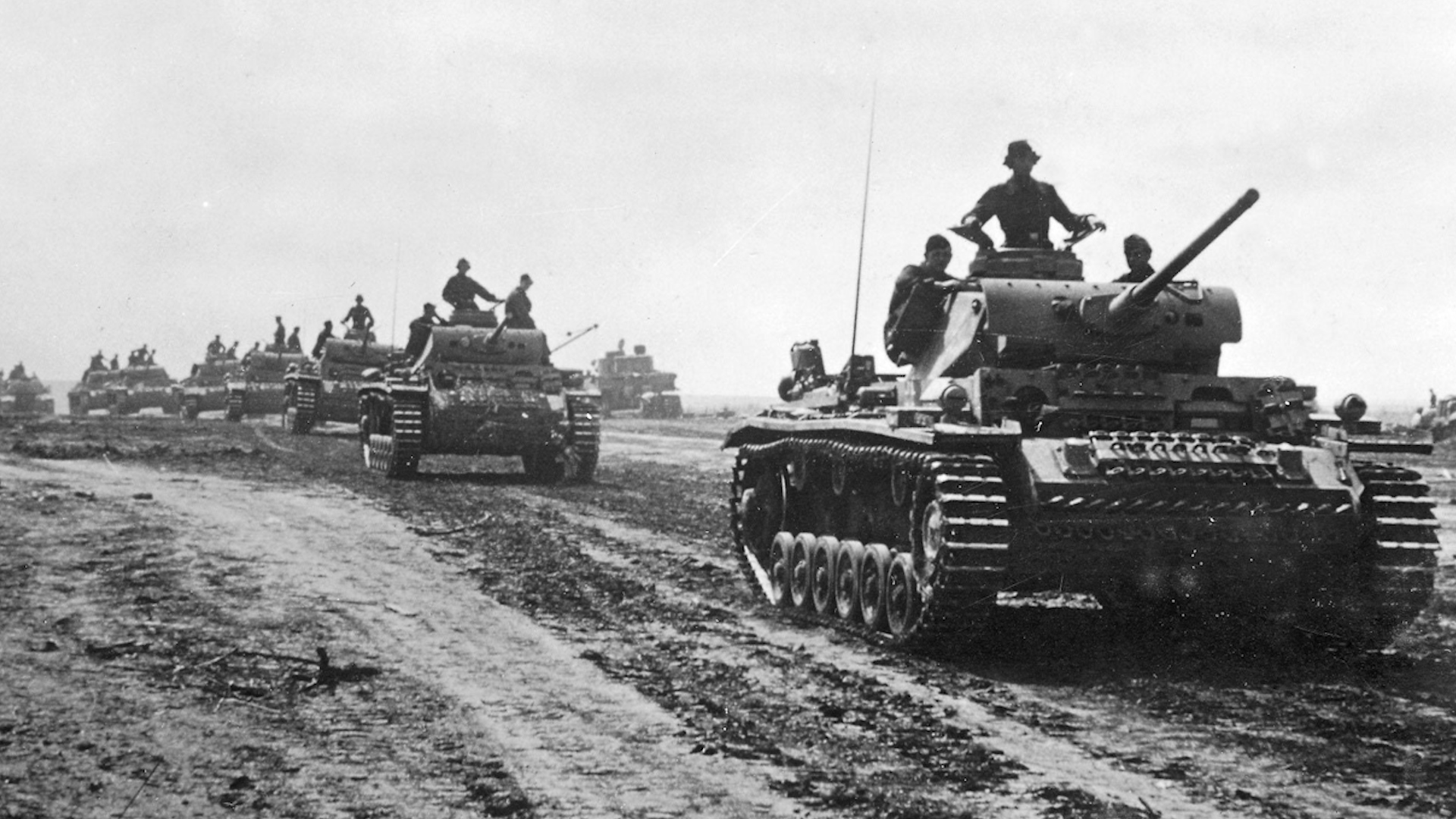
Unlike earlier campaigns, the Soviets anticipated the attack and prepared defenses in unprecedented depth.
The End of Tactical Surprise
Massive minefields, layered anti-tank defenses, and prepared artillery positions neutralized German mobility.
Blitzkrieg’s reliance on surprise and operational shock was rendered obsolete by enemy adaptation.
Attrition Warfare and Industrial Imbalance
The Industrial Dimension
By 1943, the war had become a contest of industrial output rather than operational brilliance.
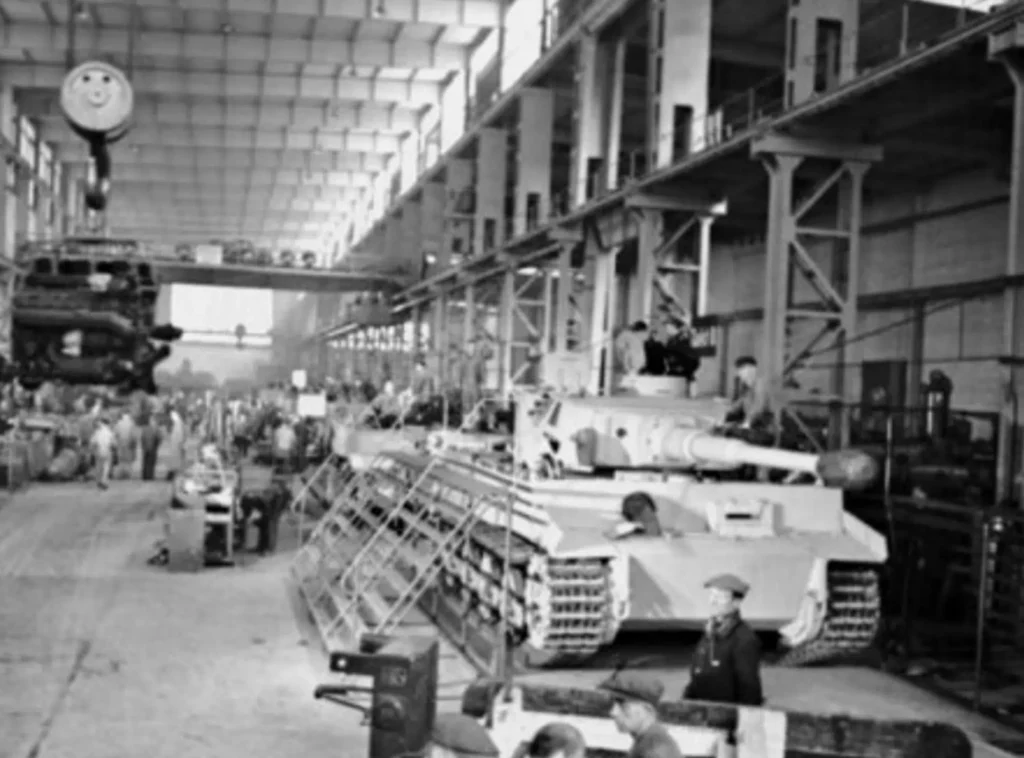
Germany could no longer replace losses in men and materiel at a rate sufficient to sustain mobile warfare.
Allied Air Power and Strategic Bombing
The increasing dominance of Allied air forces further constrained German operational freedom.
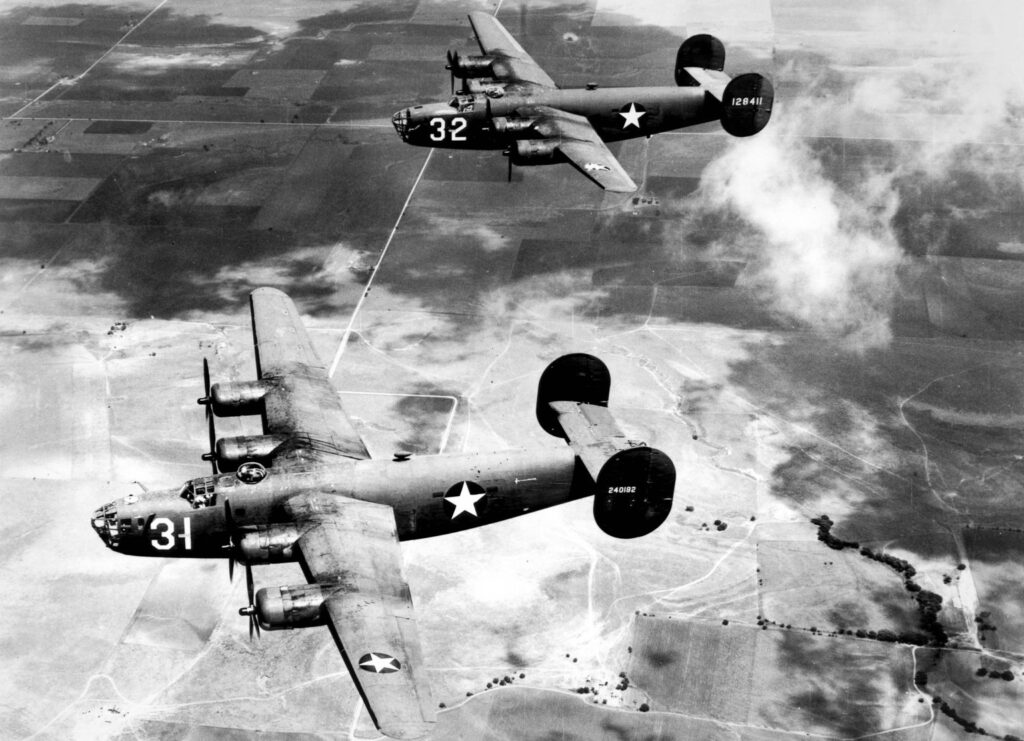
Mobility without air superiority proved impossible.
Defensive Adaptation and Tactical Regression
From Maneuver to Static Defense
German forces increasingly relied on static defensive positions, fortified lines, and local counterattacks.
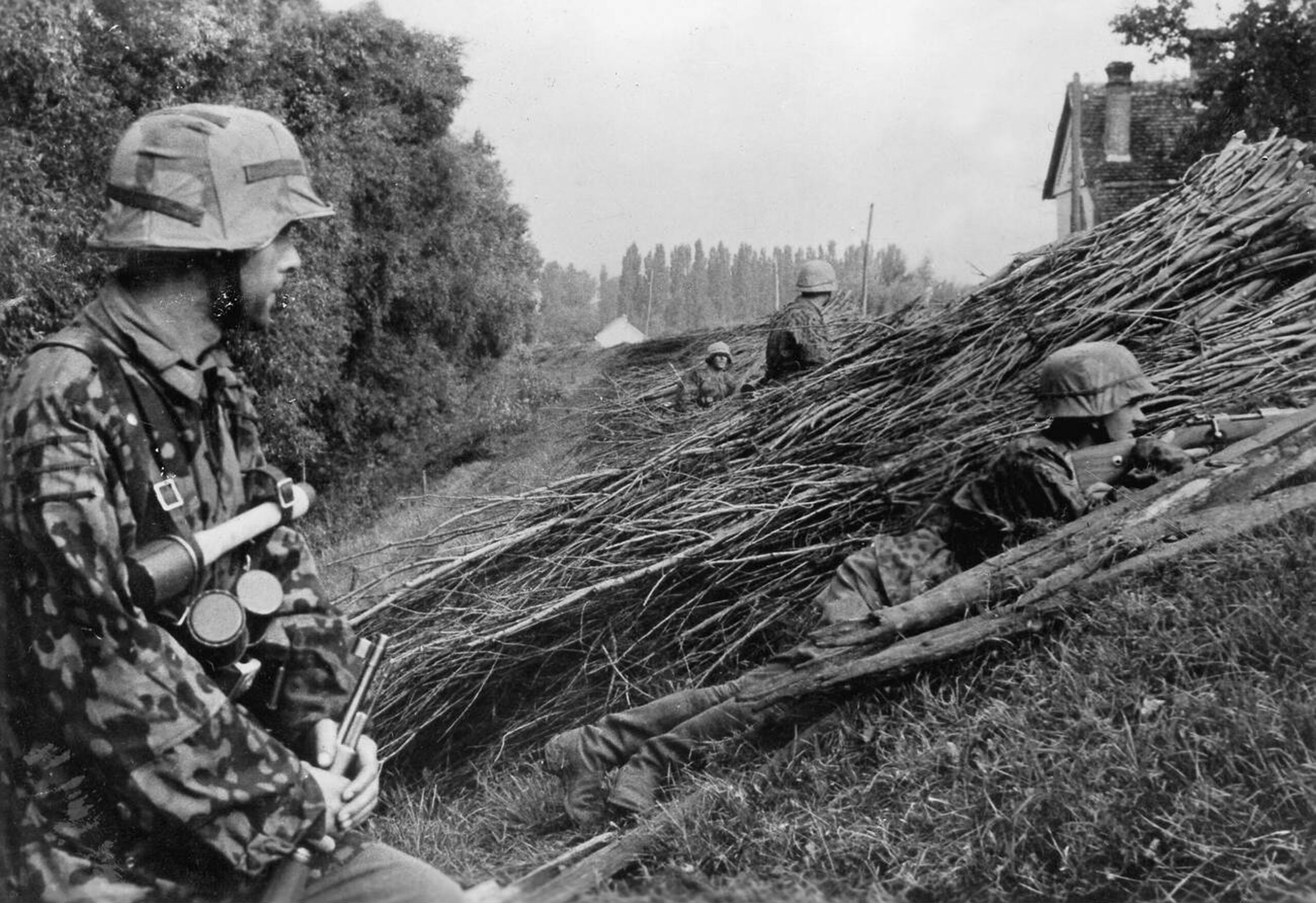
This approach contradicted Blitzkrieg principles and reflected strategic exhaustion.
The Loss of Initiative
Blitzkrieg required initiative at every level of command. Attrition warfare centralized decision-making and reduced operational flexibility.
Without initiative, Blitzkrieg ceased to exist even in theory.
Western Front: Normandy and the Final Collapse
Normandy as an Anti-Blitzkrieg Environment
The Allied invasion of Normandy in 1944 confronted German forces with overwhelming air power, logistical superiority, and strategic deception.
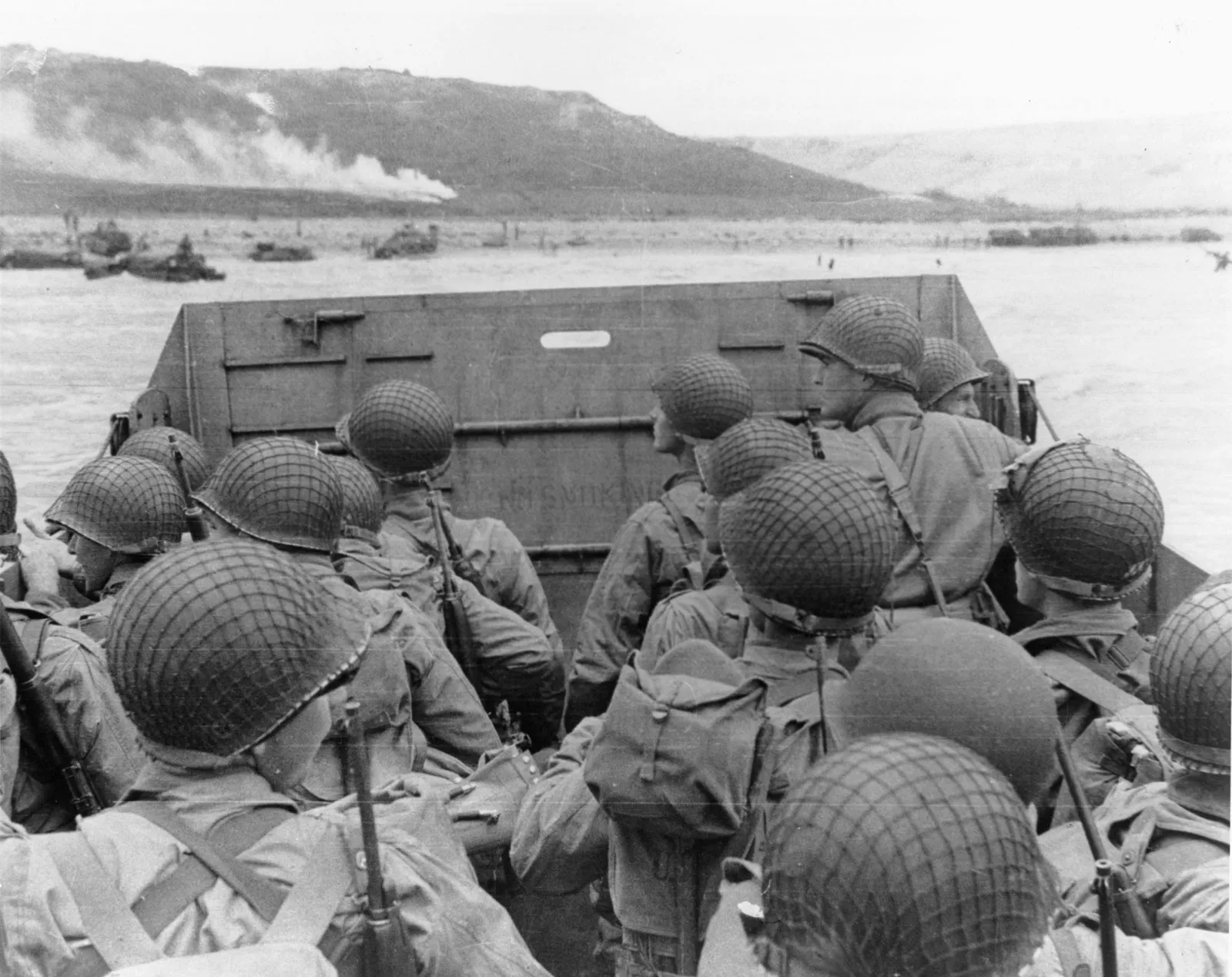
German attempts at rapid counterattack failed under constant aerial interdiction.
The Ardennes Offensive: A Final Illusion
The Battle of the Bulge represented a final attempt to revive Blitzkrieg principles under entirely unfavorable conditions.
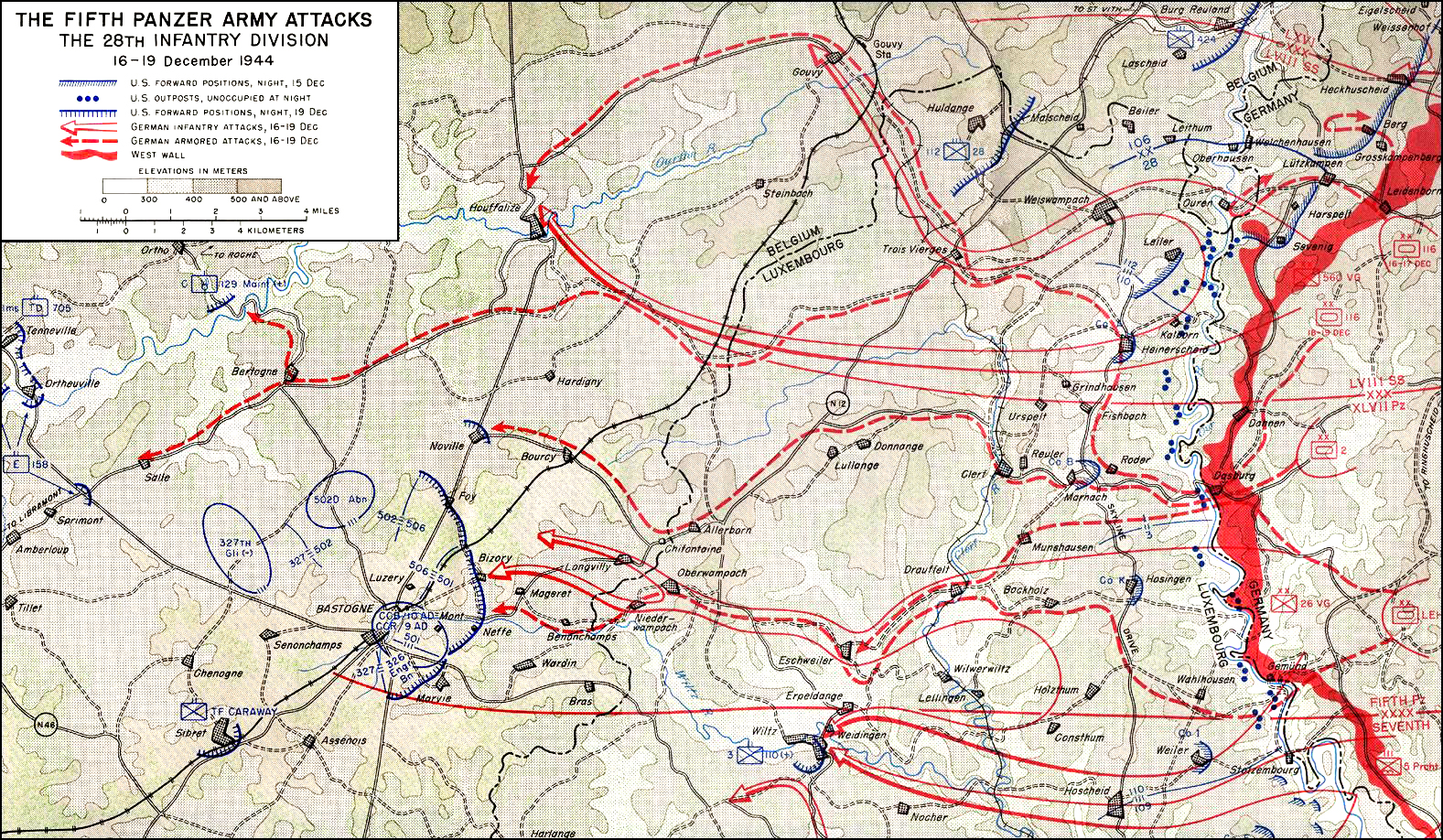
Fuel shortages, Allied air dominance, and limited strategic depth doomed the operation from the outset.
Why Blitzkrieg Ultimately Failed
Blitzkrieg failed not because it was ineffective, but because it was context-dependent. Its success required:
- Strategic surprise
- Limited geographic depth
- Inferior or unprepared opponents
When these conditions disappeared, Blitzkrieg became unsustainable.
Transition: From Wartime Experience to Historical Interpretation
The collapse of Blitzkrieg as a viable method of warfare did not end its influence. On the contrary, its dramatic early successes ensured a powerful postwar legacy—one shaped as much by memory, myth, and interpretation as by historical reality.
The final section examines how Blitzkrieg was reimagined after 1945, how its reputation evolved in military historiography, and why it continues to exert influence on modern strategic thought despite its fundamental limitations.
Part V — Legacy, Misconceptions, and Modern Interpretations
Blitzkrieg After 1945: Myth, Memory, and Misinterpretation
The Postwar Construction of the Blitzkrieg Myth
After 1945, Blitzkrieg rapidly entered popular and academic discourse as a uniquely German method of warfare. However, much of this reputation was shaped retrospectively—constructed by postwar memoirs, Allied analyses, and Cold War strategic thinking rather than by wartime doctrinal reality.
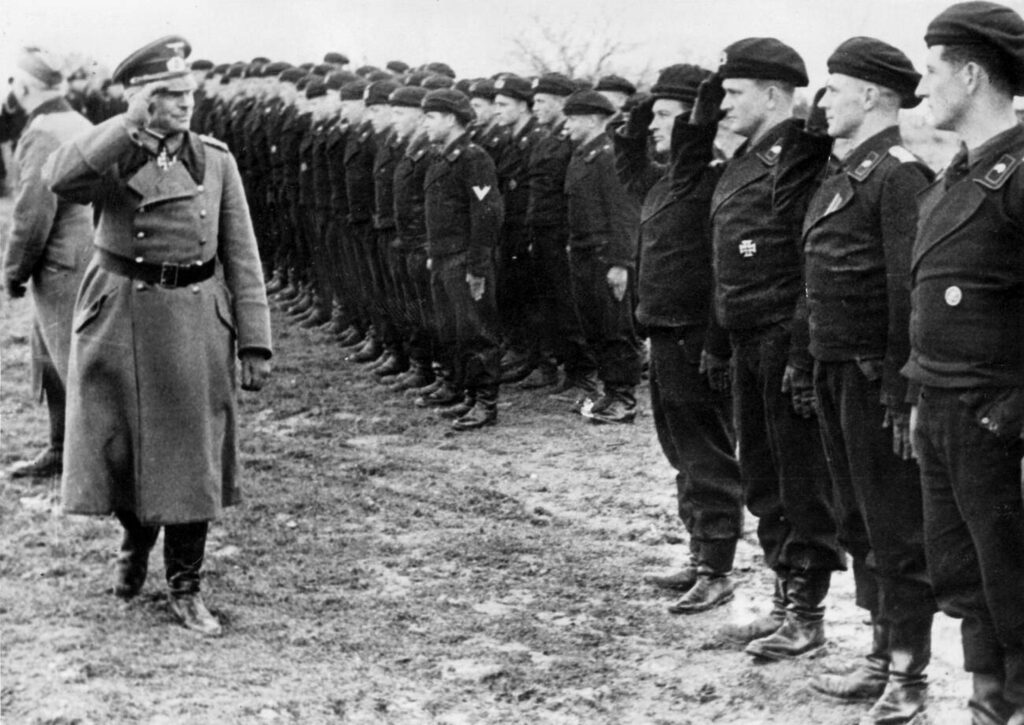
German generals such as Heinz Guderian, writing memoirs for Western audiences, presented Blitzkrieg as a coherent, revolutionary doctrine. This narrative conveniently emphasized operational brilliance while downplaying systemic weaknesses, ideological interference, and logistical failures.
Allied Reinforcement of the Myth
Ironically, Allied analysts contributed to the mythologization of Blitzkrieg by framing early German victories as evidence of an entirely new form of warfare.
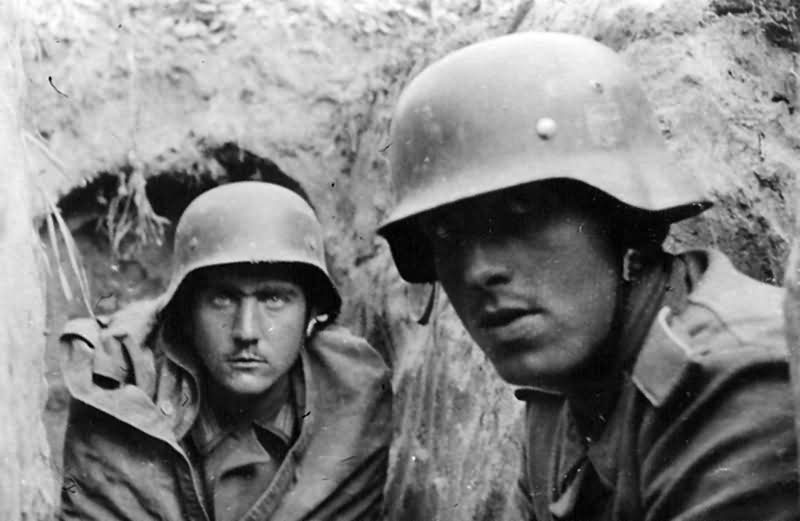
This interpretation served institutional purposes: it explained early defeats without questioning Allied prewar doctrine and justified postwar military reform.
Blitzkrieg vs Deep Battle: A Comparative Legacy
Soviet Operational Art
Unlike Blitzkrieg, Soviet “Deep Battle” theory was extensively theorized, institutionalized, and adapted over time.
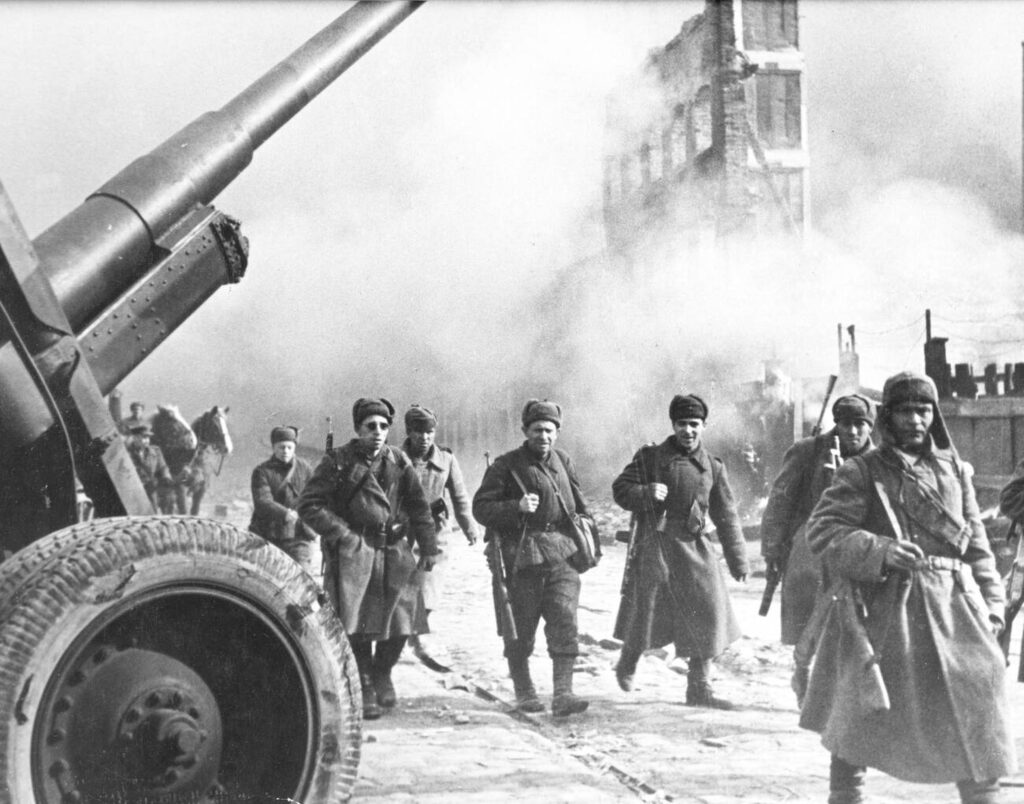
Where Blitzkrieg emphasized rapid exploitation, Deep Battle focused on:
- Sequential operational echelons
- Sustained offensive depth
- Integration of industrial mobilization
This distinction explains why the Red Army could recover from early defeats while Germany could not.
Institutional Learning and Adaptation
The Wehrmacht’s inability to reform its operational system under wartime pressure contrasts sharply with Soviet adaptation.
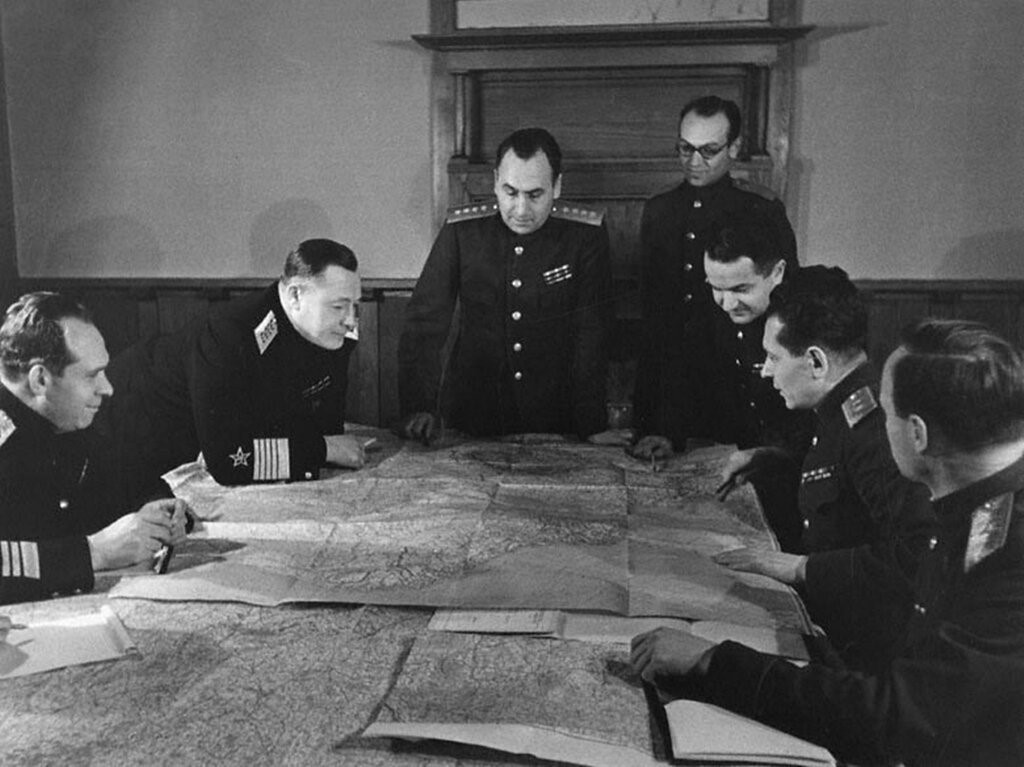
Blitzkrieg’s failure was therefore not purely tactical, but institutional.
Influence on NATO and Modern Military Doctrine
Maneuver Warfare in the Cold War
Postwar Western military doctrine selectively absorbed elements of Blitzkrieg, particularly the emphasis on speed, initiative, and decentralized command.
However, these concepts were embedded within a framework that acknowledged:
- Air supremacy as a prerequisite
- Logistical sustainability
- Coalition interoperability
Thus, Blitzkrieg was not adopted wholesale, but transformed.
AirLand Battle and Operational Depth
The U.S. Army’s AirLand Battle doctrine of the 1980s reflects Blitzkrieg’s conceptual legacy more clearly than any direct imitation.
Key differences included:
- Explicit integration of air power
- Emphasis on sustainability
- Recognition of attrition as inevitable
Why Blitzkrieg Cannot Be Reproduced
Contextual Dependency
Blitzkrieg’s success depended on a narrow historical window:
- Technological asymmetry
- Unprepared adversaries
- Strategic surprise
These conditions are rarely replicable in modern warfare.
The Illusion of Speed Without Depth
Modern conflicts demonstrate that speed without political, economic, and logistical depth leads to strategic failure.
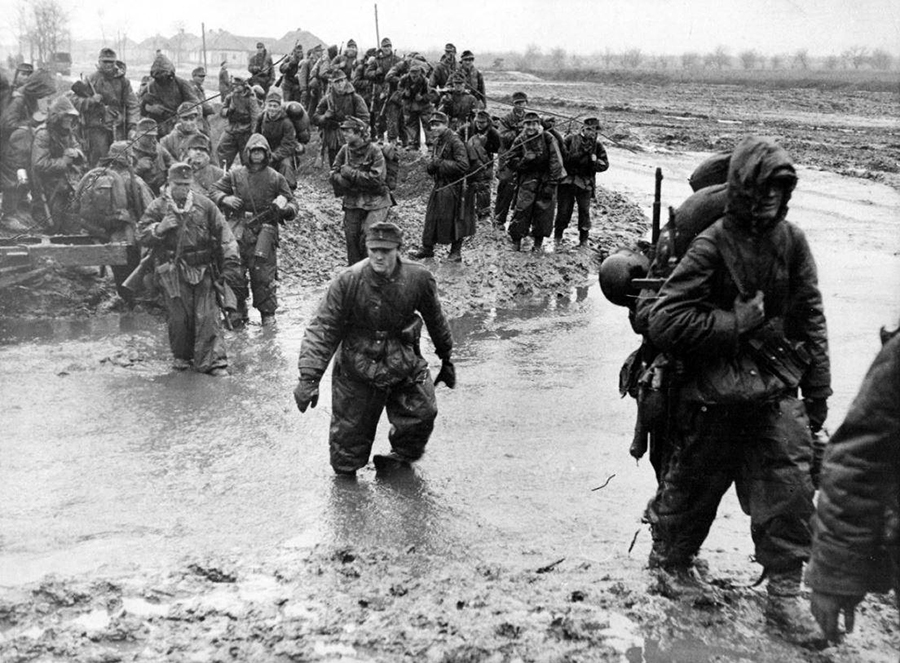
Blitzkrieg’s core weakness—its reliance on rapid decision—becomes a liability in prolonged conflicts.
Blitzkrieg in Historiography
Academic Reassessment
Contemporary historians increasingly reject Blitzkrieg as a formal doctrine, viewing it instead as an improvised operational response shaped by:
- Treaty limitations
- Resource constraints
- Political urgency
This reassessment places Blitzkrieg within a broader continuum of 20th-century military thought rather than as a singular innovation.
From Legend to Case Study
Today, Blitzkrieg is best understood not as a model to emulate, but as a case study in:
- Operational innovation
- Strategic overreach
- The limits of tactical brilliance
Final Assessment: Theory vs Practice Revisited
Blitzkrieg, in theory, promised decisive victory through speed, coordination, and shock. In practice, it delivered early success at the cost of long-term sustainability.
Its legacy lies not in what it achieved, but in what it revealed:
- That operational excellence cannot compensate for strategic imbalance
- That doctrine must evolve institutionally, not mythologically
- That modern war is ultimately a contest of systems, not maneuvers
References & Further Reading
Primary & Archival Sources
- Bundesarchiv-Militärarchiv (Germany)
- U.S. National Archives and Records Administration (NARA)
- British National Archives (Kew)
Key Academic Works
- Frieser, Karl-Heinz. The Blitzkrieg Legend
- Citino, Robert M. The German Way of War
- Glantz, David M. When Titans Clashed
- Murray, Williamson & Millett, Allan R. A War To Be Won
Institutional Resources
Closing Note
This article forms part of the WW II Archive analytical framework and is designed to function as a standalone academic reference while remaining interconnected with timeline entries and thematic studies.
Primary Archives & Official Institutions
- German Federal Archives (Bundesarchiv)
https://www.bundesarchiv.de - Bundesarchiv-Militärarchiv (Freiburg)
https://www.bundesarchiv.de/EN/Content/Artikel/About-the-Bundesarchiv/Departments/military-archive.html - U.S. National Archives and Records Administration (NARA)
https://www.archives.gov - The National Archives (United Kingdom, Kew)
https://www.nationalarchives.gov.uk - Imperial War Museums
https://www.iwm.org.uk
Core Academic Works (Blitzkrieg & German Warfare)
- Frieser, Karl-Heinz – The Blitzkrieg Legend
https://www.usni.org/press/books/blitzkrieg-legend - Citino, Robert M. – The German Way of War
https://www.press.ku.edu/books/9780700614122 - Murray, Williamson – Strategy for Defeat
https://www.airuniversity.af.edu/AUPress/ - van Creveld, Martin – Supplying War
https://www.cambridge.org/core/books/supplying-war
Eastern Front & Comparative Doctrine
- Glantz, David M. & House, Jonathan – When Titans Clashed
https://kansaspress.ku.edu/978-0-7006-2121-7.html - Erickson, John – The Road to Stalingrad
https://www.yalebooks.com/book/9780300078139/the-road-to-stalingrad - Soviet Military Operational Art (U.S. Army CMH)
https://history.army.mil
Air Power, Combined Arms & Operational Warfare
- Corum, James S. – The Luftwaffe: Creating the Operational Air War
https://www.airuniversity.af.edu/AUPress/ - Pape, Robert A. – Bombing to Win
https://www.cornellpress.cornell.edu/book/9780801483144
Historiography & Postwar Interpretation
- Tooze, Adam – The Wages of Destruction
https://www.penguinrandomhouse.com/books/290193 - Overy, Richard – Why the Allies Won
https://wwnorton.com/books/9780393316193 - German Historical Institute
https://www.ghi-dc.org
Digital Research Portals & Maps
- United States Army Center of Military History
https://history.army.mil - WW2 Online Map Collection – Perry-Castañeda Library
https://legacy.lib.utexas.edu/maps/wwii.html - Avalon Project – Yale Law School (War Documents)
https://avalon.law.yale.edu
Final Editorial Note
This article is part of the WW II Archive analytical series and is intended as a scholarly reference integrating operational history, doctrine analysis, and historiographical debate.