World War II

9 posts

Soviet Entry and the Division of Poland

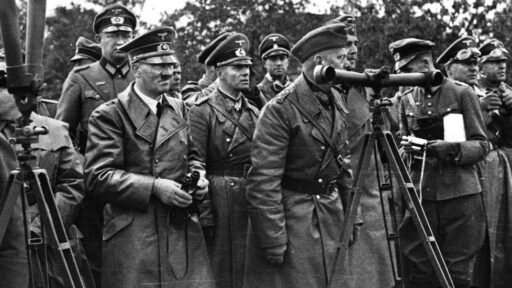
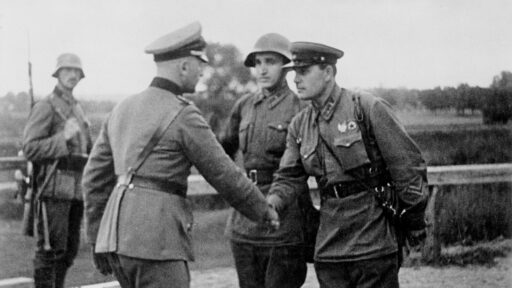
September 17, 1939 marked a decisive but often overlooked turning point, as the Soviet invasion of Poland executed the secret clauses of the Molotov–Ribbentrop Pact. This act completed the partition of Poland and initiated its de-statization through coordinated military force and occupation policies by two totalitarian powers
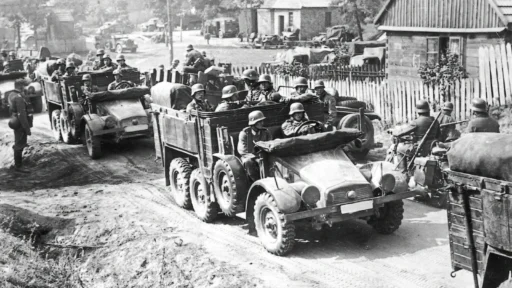
Polish Armed Forces and Strategic Limitations

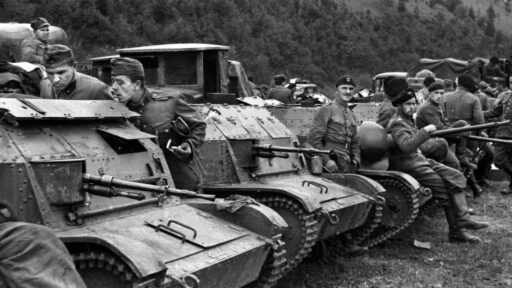
Poland’s defeat in 1939 cannot be reduced to numerical inferiority, but resulted from geography, economic limits, diplomatic isolation, and strategic encirclement. Caught between two expansionist powers using overwhelming and complementary strategies, the Polish Armed Forces were defeated despite determined resistance.

Blitzkrieg Doctrine: Theory vs Practice

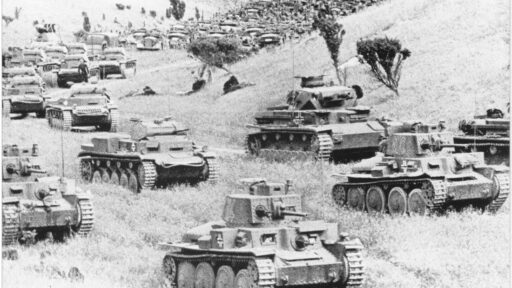
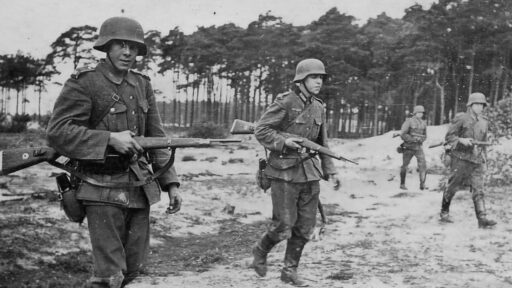
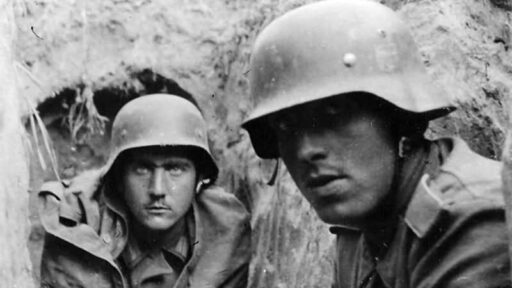
Blitzkrieg is widely cited as a revolutionary German doctrine combining tanks, aircraft, and motorized infantry for rapid victory. Modern historiography, however, argues it was never a formal doctrine, but an improvised operational method shaped by circumstances, institutional culture, and material limitations during the war period

Operation Olive Oil Part I

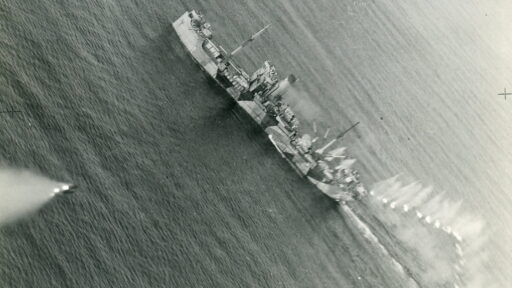
Operation Olive Oil Part I was the preliminary Allied interdiction phase in June 1944, targeting Axis Mediterranean supply routes. Emphasizing reconnaissance, intelligence validation, and probing strikes, it tested Axis defenses and established the tactical, intelligence, and command framework that enabled the more decisive air–sea logistics denial campaign of Part II

Operation Olive Oil Part II

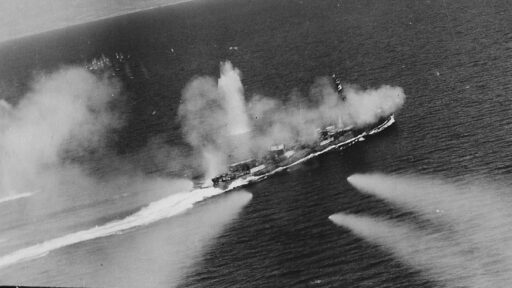
Operation Olive Oil Part II was a 1944 Allied air–sea interdiction campaign in the Mediterranean targeting Axis maritime logistics. Integrating air power, naval forces, and intelligence, it disrupted supply lines linking Italy, the Balkans, and the Aegean, contributing decisively to Axis paralysis and demonstrating the strategic power of logistics denial