
1939: The Soviet Invasion and the Fourth Partition of Poland – A Strategic, Military, and Geopolitical Analysis
Executive Summary
September 17, 1939, represents one of the most decisive, yet frequently overshadowed, turning points in modern European history. While the world’s attention was fixed on the German Blitzkrieg tearing through western Poland, a second, equally lethal blow was struck from the east. The Red Army’s entry into Polish territory was not merely a military maneuver or a reaction to the collapse of the Polish state, as Soviet propaganda later claimed. It was the cold-blooded execution of the Molotov–Ribbentrop Pact’s secret protocols—a premeditated partition of Europe. This article examines the process of the “de-statization” of Poland between two totalitarian powers through a deep analysis of the diplomatic background, the tactical details of the military operation, inventory analysis, command failures, and the sociological impacts of occupation policies.
1. Introduction: Poland’s Geopolitical Deadlock Between Two Totalitarian Fires
The historiography of the Second World War generally begins with the German Wehrmacht crossing the Polish border on September 1, 1939. However, the final nail in the coffin of the Polish state and its sovereignty came 17 days later from the east, from the Union of Soviet Socialist Republics (USSR). This event did not only inflict a military defeat upon Poland; it created a geopolitical black hole on the European map, effectively realizing the “Fourth Partition.”
The Polish Second Republic, reborn in 1918, occupied an unenviable position on the map of Europe: the flat, open plains of the North European Plain, sandwiched between two revisionist powers—Nazi Germany and the Soviet Union—both of which rejected the legitimacy of the Versailles settlement. By 1939, Poland found itself in a diplomatic vice. While Warsaw had non-aggression pacts with both Berlin (1934) and Moscow (1932), the ideological hostility of Nazism and Communism masked a shared pragmatic desire to erase Poland from existence.
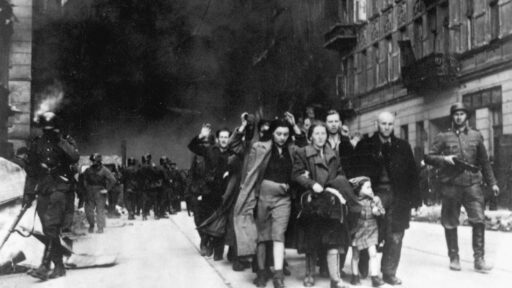
The invasion of September 17 was the culmination of this shared desire. It demonstrated that in the realm of realpolitik, ideological enemies could suspend their hatred to pursue imperial expansion. For Poland, this signified more than the loss of territory; it was the total dismantling of the state mechanism. The “dual occupation” that followed subjected the Polish citizenry to two distinct methodologies of totalitarian rule: racial extermination from the West and class-based social engineering from the East.
2. Diplomatic Architecture: The Molotov–Ribbentrop Pact and Secret Protocols
2.1. The Failure of Collective Security
To understand the events of September 17, one must analyze the frantic diplomatic summer of 1939. Stalin had been engaged in tentative negotiations with France and Great Britain regarding a collective security pact against Hitler. However, these talks collapsed in August 1939. The sticking point was the Soviet demand for the right to march the Red Army across Polish territory to fight Germany—a condition Warsaw vehemently rejected, correctly fearing that once the Red Army entered, it would never leave. Marshal Edward Rydz-Śmigły famously remarked to the French, “With the Germans we risk losing our freedom; with the Russians we risk losing our souls.”
Sensing the hesitation of the Western democracies, Stalin pivoted toward Berlin. Hitler, desperate to avoid a two-front war similar to the strategic nightmare of 1914–1918, was willing to offer Stalin what the West would not: territory.
2.2. Anatomy of the Alliance
On August 23, 1939, the German–Soviet Non-Aggression Pact signed in Moscow shocked the world. On the surface, it was a standard diplomatic text pledging neutrality. However, the element that altered the course of history was the “Secret Additional Protocol.” This document, the existence of which the Soviet Union would deny for fifty years, literally sliced Eastern Europe like a cake.
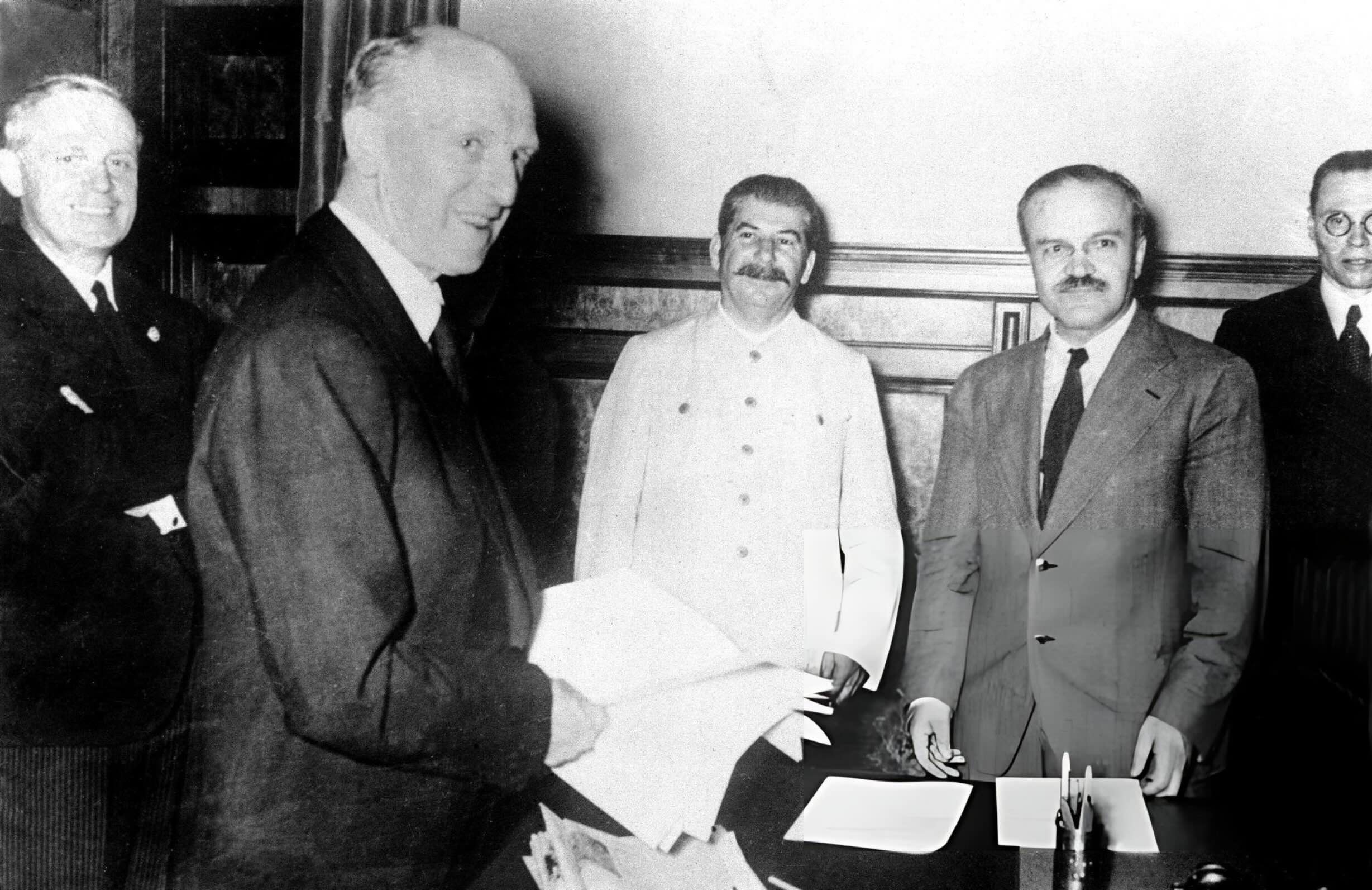
According to Article II of this secret protocol:
-
Northern Sector: Finland, Estonia, and Latvia were relegated to the Soviet sphere of influence.
-
Southern Sector: Bessarabia (part of Romania) was recognized as an area of Soviet interest.
-
Central Sector (Poland): The spheres of influence were divided approximately along the line of the Narew, Vistula, and San rivers.
2.3. Strategic Calculations
For Joseph Stalin, this pact was a masterpiece of Machiavellian strategy. It provided the USSR with vital “strategic depth,” pushing the border hundreds of kilometers west. It also bought time to rebuild the Red Army, which had been decapitated by the Great Purge (1937–1938), during which nearly 90% of general-rank officers were executed or imprisoned. Furthermore, it offered a chance to reclaim the “Kresy” (Eastern Borderlands), territories lost during the Polish–Soviet War of 1919–1921, satisfying Soviet revanchism.
For Adolf Hitler, the pact was a tactical necessity. It secured the eastern flank, allowing the Wehrmacht to throw its full weight against Poland without fear of Soviet intervention, and ensured a flow of raw materials (oil, grain, manganese) from Russia to bypass the British naval blockade.
3. Military Asymmetry and the Vulnerability of the Eastern Frontier
3.1. Poland’s Defense Doctrine: Plan West (Plan Zachód)
By 1939, the Polish General Staff had focused almost its entire threat perception to the west. “Plan Zachód” (Plan West) envisioned the deployment of the vast majority of forces to the German border to defend the industrial heartland of Silesia and the political center of Warsaw. The eastern border was stripped bare. The underlying assumption was that the Soviet Union would remain neutral, or at worst, hostile but non-belligerent, adhering to the 1932 Non-Aggression Pact.
3.2. The Border Protection Corps (KOP)
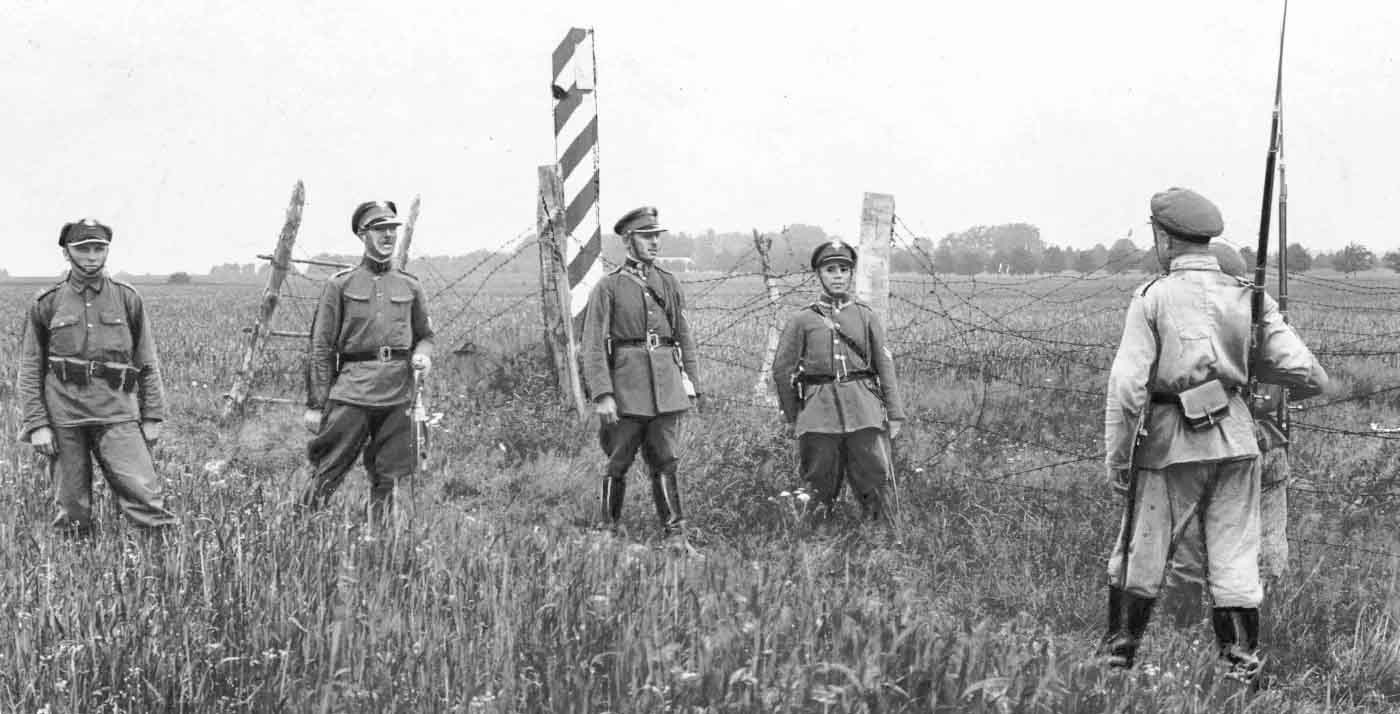
The task of guarding the colossal 1,400-kilometer eastern frontier fell to the Korpus Ochrony Pogranicza (KOP)—the Border Protection Corps. Unlike the regular army, the KOP was a formation under the Ministry of Interior, designed primarily for border policing and anti-smuggling operations.
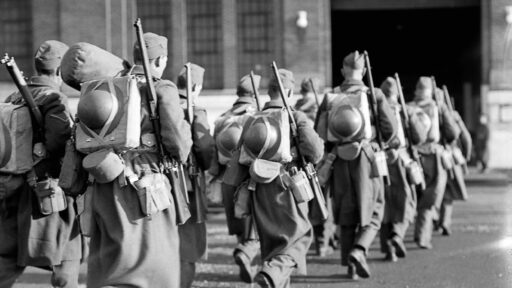
By mid-September 1939, the KOP had been severely depleted. Its heavy artillery, best battalions, and reserve equipment had been transferred west to fight the Germans. What remained was a skeleton force of approximately 20,000 troops, spread desperately thin. They lacked anti-tank guns, had virtually no air support, and were equipped mostly with light infantry weapons (Mauser rifles, Browning wz. 28 light machine guns).
3.3. The Soviet Invasion Force
In stark contrast, the force assembled by the Soviet Stavka (High Command) was overwhelming. The invasion force consisted of two Fronts comprising over 460,000 troops (eventually swelling to over 800,000), nearly 5,000 artillery pieces, 4,700 tanks, and 3,300 aircraft.
-
Belarusian Front: Commanded by Mikhail Kovalyov, tasked with taking the northern sector (Vilnius, Grodno, Białystok).
-
Ukrainian Front: Commanded by Semyon Timoshenko, tasked with the southern sector (Lviv, Stanisławów) to cut off the Polish retreat to Romania.
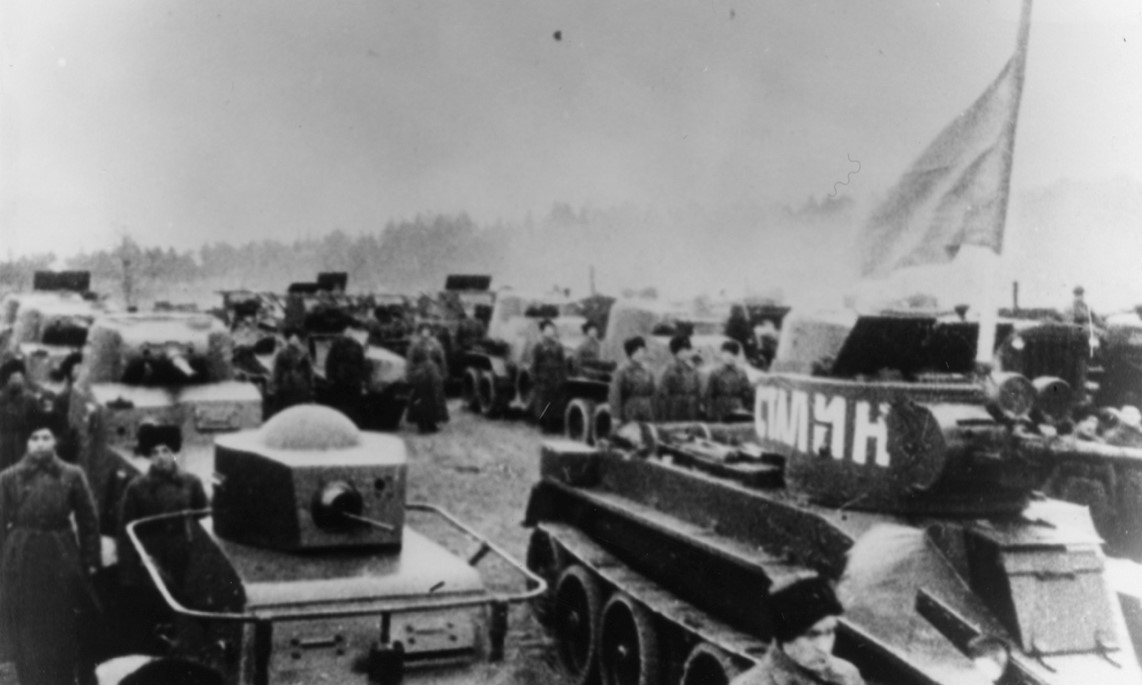
The Soviets deployed massive mechanized corps equipped with BT-7 “fast tanks (based on the Christie suspension) and the ubiquitous T-26. While these tanks had thin armor, they possessed speed and firepower that the KOP could not match. The disparity in force was not just numerical; it was technological and dimensional.
4. September 17, 1939: The Red Army Moves
4.1. The Diplomatic Pretext
At 03:00 AM on September 17, Deputy People’s Commissar for Foreign Affairs Vladimir Potemkin summoned the Polish Ambassador in Moscow, Wacław Grzybowski, to the Kremlin. Potemkin read a note signed by Molotov, which contained a cynical justification for aggression. The note claimed that the “Polish state and its government have effectively ceased to exist” and, consequently, the agreements between the USSR and Poland were void. It stated the Red Army was entering to “protect the lives and property” of the Ukrainian and Belarusian populations in Eastern Poland.
Ambassador Grzybowski refused to accept the note, famously declaring that the Polish head of state and government were still on Polish soil and the army was still fighting. Despite his refusal, the diplomatic machinery of invasion had been set in motion.
4.2. Crossing the Frontier
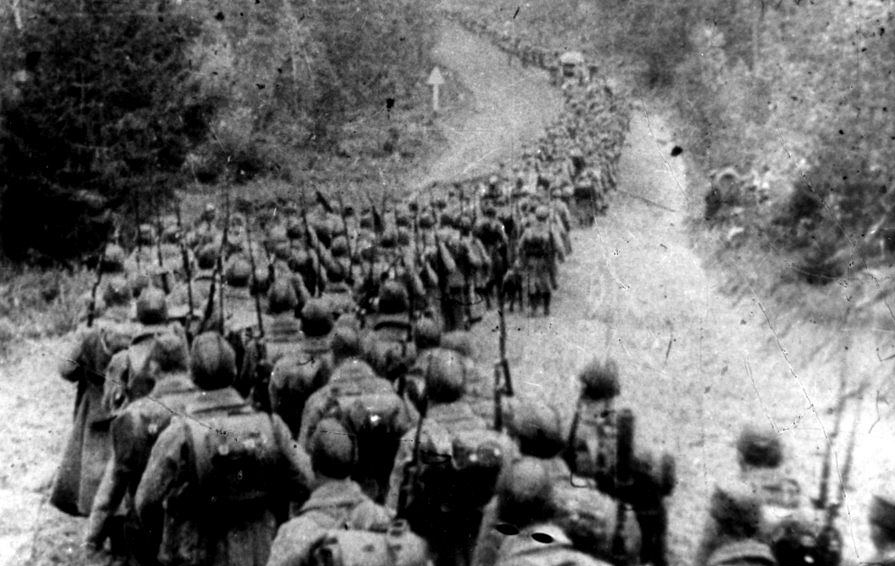
At dawn, Red Army columns rolled across the border. The surprise was total. In many sectors, Polish border guards did not fire, confused by the lack of a war declaration. Soviet tank crews often flew red flags or even white flags, shouting to Polish troops that they were “going to fight the Germans.” This deception, combined with the fog of war, allowed Soviet units to penetrate deep into Polish territory without significant initial resistance.
However, where the intent was clear, fighting erupted immediately. The KOP watchtowers were blasted by tank fire. The Soviet Air Force (VVS) began strafing rail lines and communication hubs, severing the already fragile links between the Polish High Command and the field units.
5. Chaos and Conflict: War Without a Declaration
5.1. The Breakdown of Command
The Soviet invasion confronted the Polish leadership with an unprecedented crisis. Poland was already engaged in a losing struggle against a western great power; the sudden opening of a second, full-scale front in the east amounted to military suicide. The Polish government, positioned near the Romanian border in Kuty, was stunned by the pace of events and crippled by the absence of dependable intelligence.
5.2. The Battle of Grodno (September 20–22)
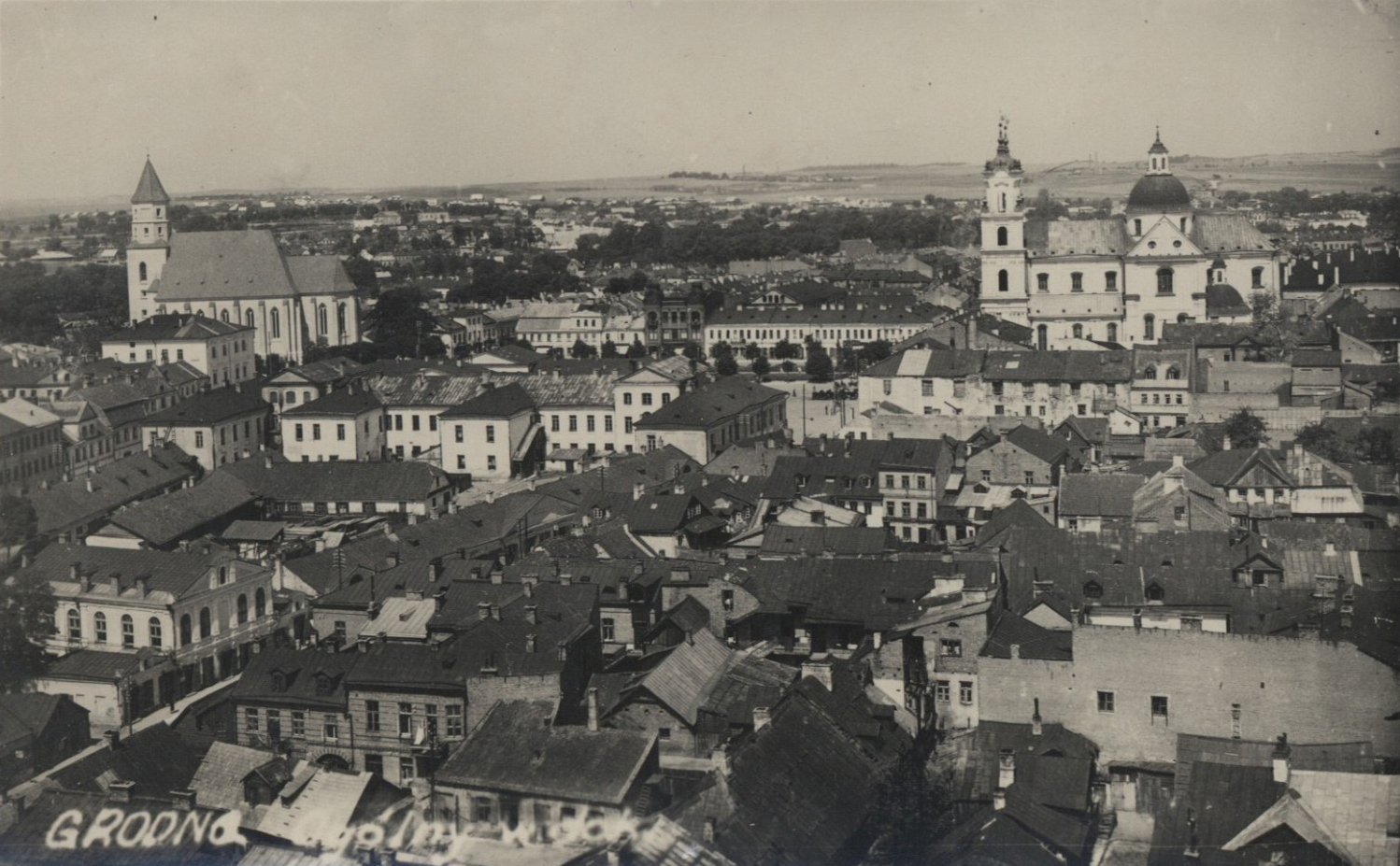
Amid the disorder, determined resistance nevertheless erupted. The clearest example was the Battle of Grodno. After the withdrawal of the regular army garrison, responsibility for defending the city fell to a disparate mix of KOP units, local police, and civilian volunteers—above all Boy Scouts (Harcerze) and students.
For two days, these defenders stalled the Soviet 15th Tank Corps. With no anti-tank artillery available, civilians relied on Molotov cocktails and bottles filled with gasoline. Soviet reports record surprise at the intensity of resistance in a city they had expected to overrun with ease. There are documented testimonies describing Soviet tanks using children as human shields, bound to the hulls to discourage Polish fire. When Grodno finally fell, the NKVD and Red Army carried out mass executions of the defenders, including teenage scouts, in what has been described as the war’s “first Katyn massacre.”
5.3. Other Engagements
Heavy fighting also took place in the Sarny Fortified Sector, where KOP regiments under General Wilhelm Orlik-Rückemann conducted a fighting withdrawal against overwhelming forces at the battles of Szack and Wytyczno. In the air, the few surviving Polish aircraft clashed with Soviet I-16 fighters, but the sheer numerical dominance of the VVS secured control of the skies within days.
6. Marshal Rydz-Śmigły’s Historic Order: “Do Not Fight the Soviets”
Perhaps the most controversial aspect of September 17 was the order issued by the Commander-in-Chief, Marshal Edward Rydz-Śmigły. Realizing that military resistance against the Soviets was futile and would only lead to the total annihilation of his forces, he broadcast the “General Directive” late on September 17:
“The Soviets have entered. I order a general withdrawal to Romania and Hungary by the shortest routes. Do not engage in combat with the Soviets unless attacked or in the event of an attempt to disarm your units.”
Analysis of the Order: This ambiguous order had catastrophic consequences.
-
Legal Limbo: Since no state of war was declared, the Soviets argued internationally that they were not “at war.”
-
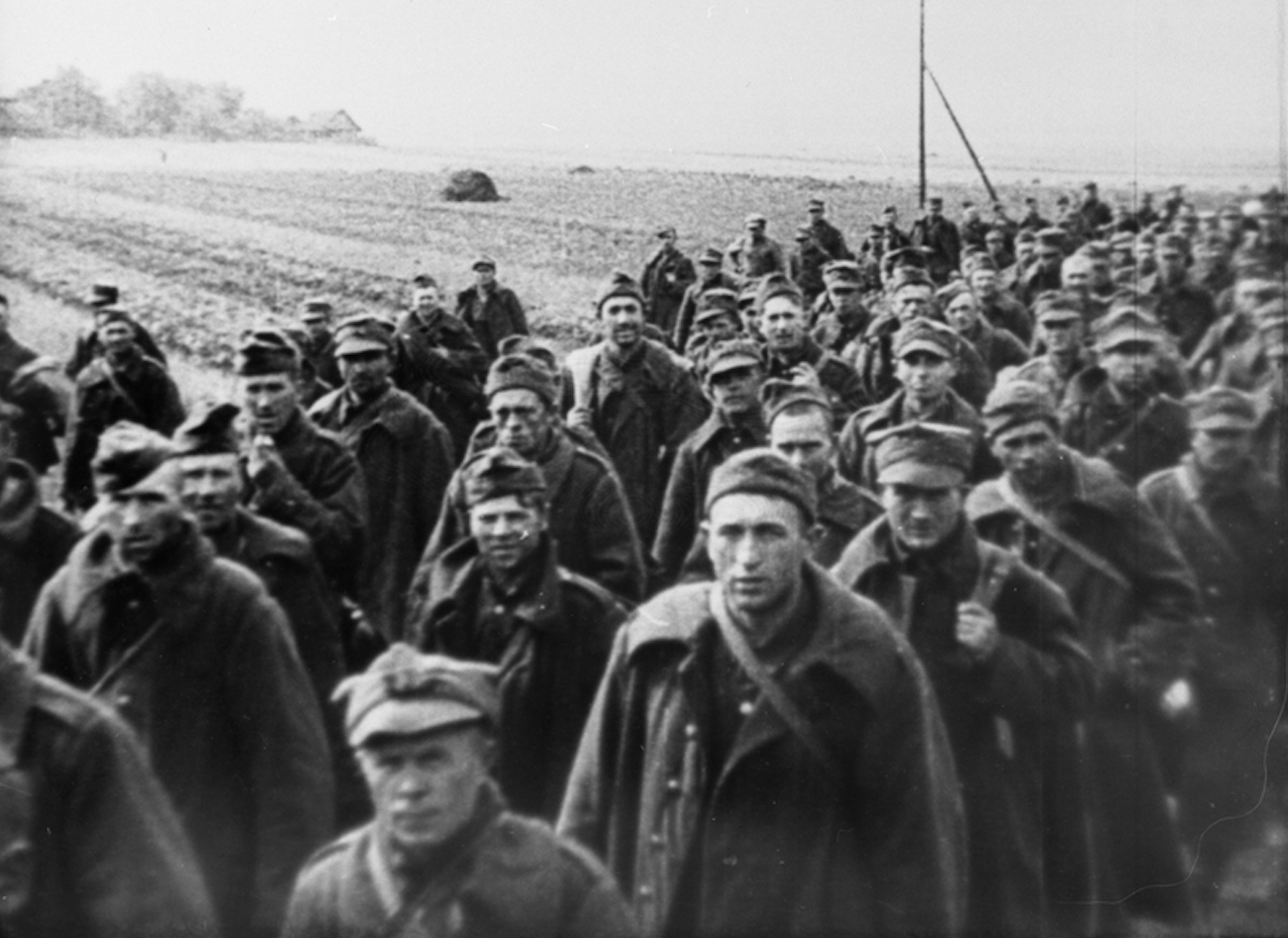
POW Status: Polish soldiers who surrendered were not treated as Prisoners of War under the Geneva Convention. Instead, the Soviets classified them as “counter-revolutionaries” or “armed bandits” resisting the “liberation,” stripping them of legal protections.
-
Confusion: Many commanders delayed firing, allowing themselves to be encircled and captured without a fight. Roughly 250,000 Polish soldiers, including over 10,000 officers, fell into Soviet captivity—a direct pipeline to the Katyn Massacre.
7. German–Soviet Military Collaboration and Joint Victory
As organized Polish resistance collapsed, the Wehrmacht and the Red Army converged. The demarcation line had been adjusted; originally, the Soviets were to take land up to the Vistula (including parts of Warsaw), but Stalin preferred a border further east (the Bug River) to avoid governing a large, ethnically Polish population that would be difficult to Sovietize. In exchange, Lithuania was transferred to the Soviet sphere.
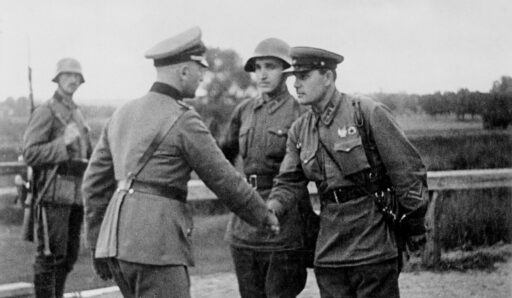
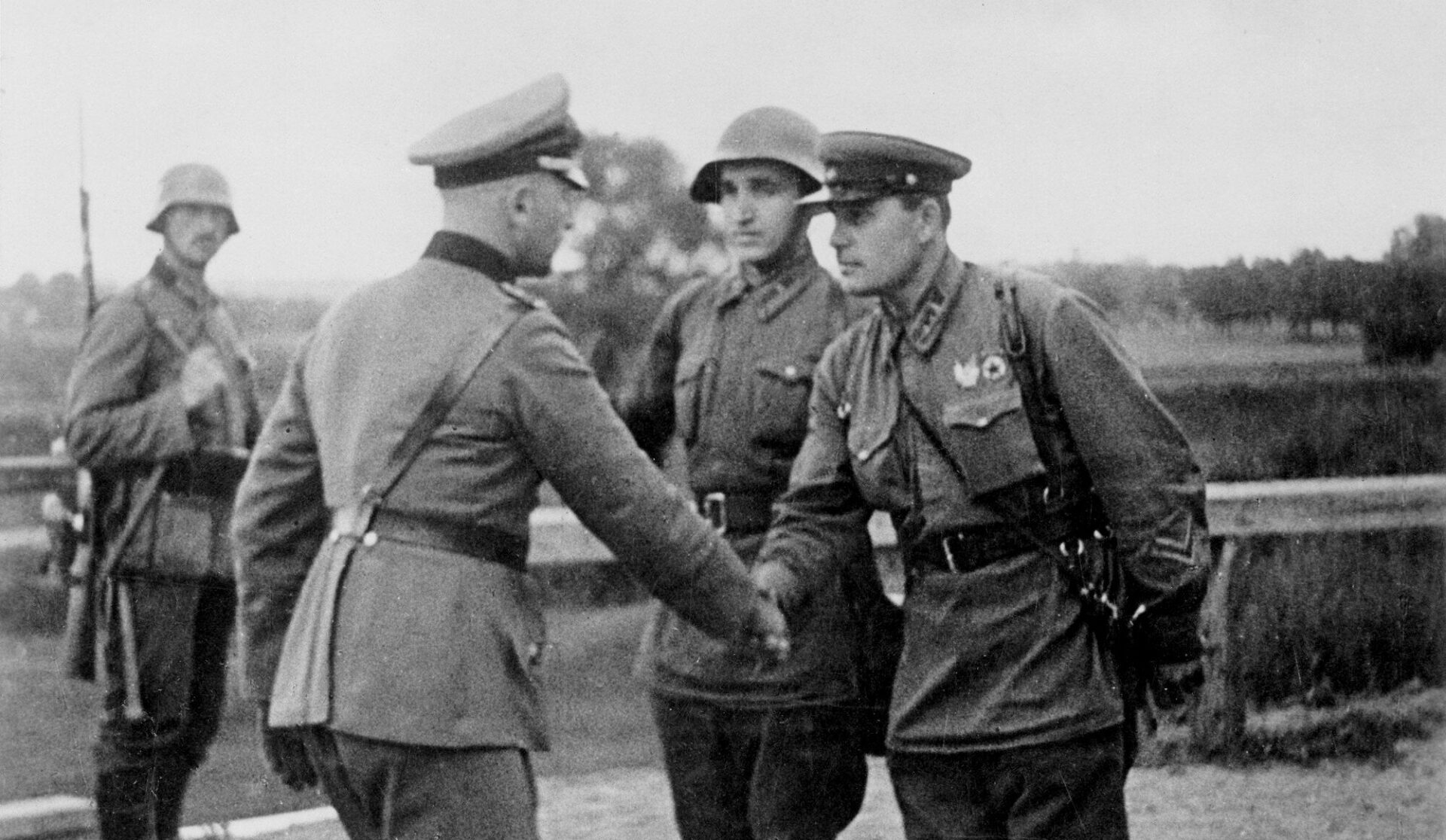
The meeting of the two armies was marked by camaraderie. The most potent symbol of this alliance occurred at Brest-Litovsk (Brześć nad Bugiem). The city had been captured by the German XIX Panzer Corps under General Heinz Guderian but was assigned to the Soviet zone. On September 22, Guderian and the Soviet brigade commander Semyon Krivoshein held a joint military parade. German tanks rolled past a podium where Nazi and Soviet officers stood side-by-side, saluting the swastika and the red star.
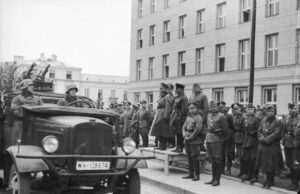
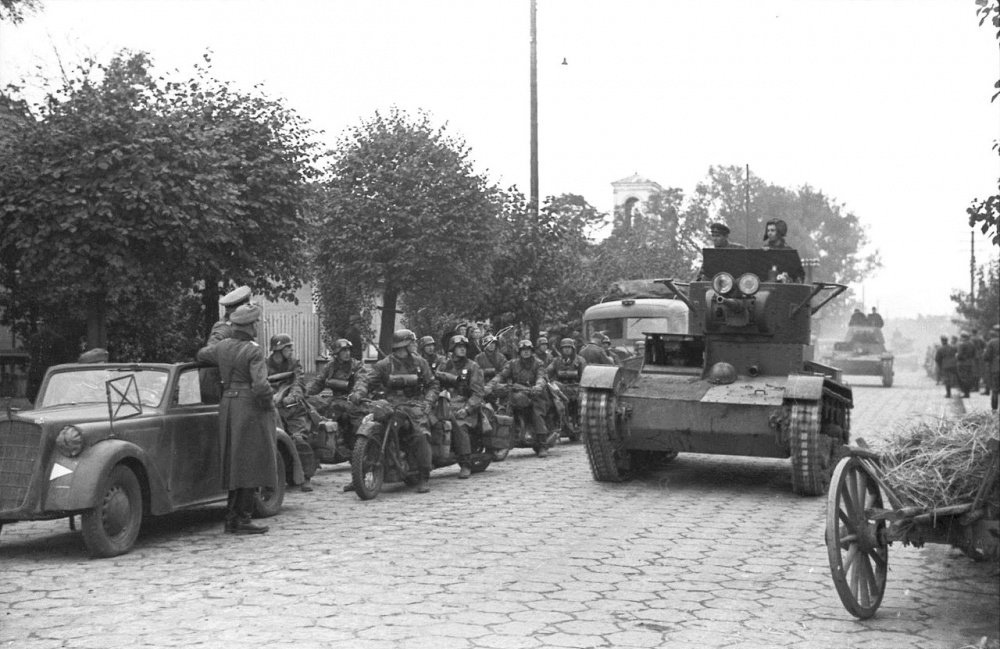
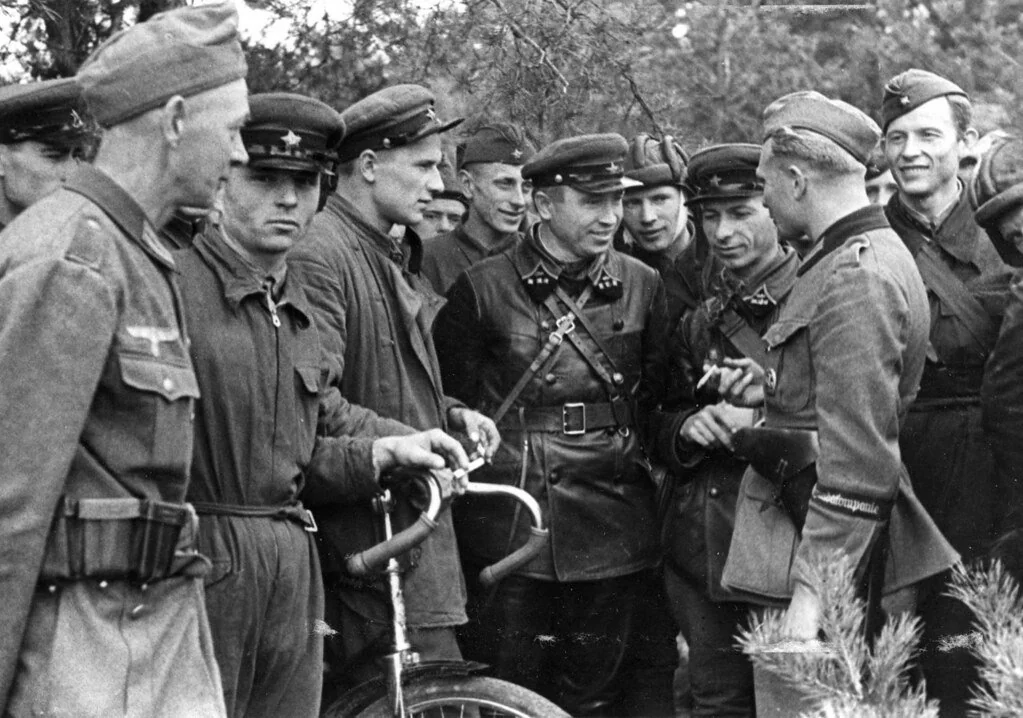
This event shattered any illusion that the Soviets were “neutral.” There were also practical collaborations: the German Kriegsmarine was allowed to use the Soviet port of Murmansk, and the NKVD and Gestapo began holding conferences (such as in Zakopane) to coordinate the suppression of Polish resistance movements.
8. The Fourth Partition: New Borders and Demographics
On September 28, 1939, the “German–Soviet Boundary and Friendship Treaty” was signed, formally finalizing the partition. Poland was erased.
-
The German Zone: Included western Poland (incorporated into the Reich) and central Poland (the “General Government”).
-
The Soviet Zone: Comprised 52% of Poland’s territory (approx. 200,000 km²) and over 13 million inhabitants.
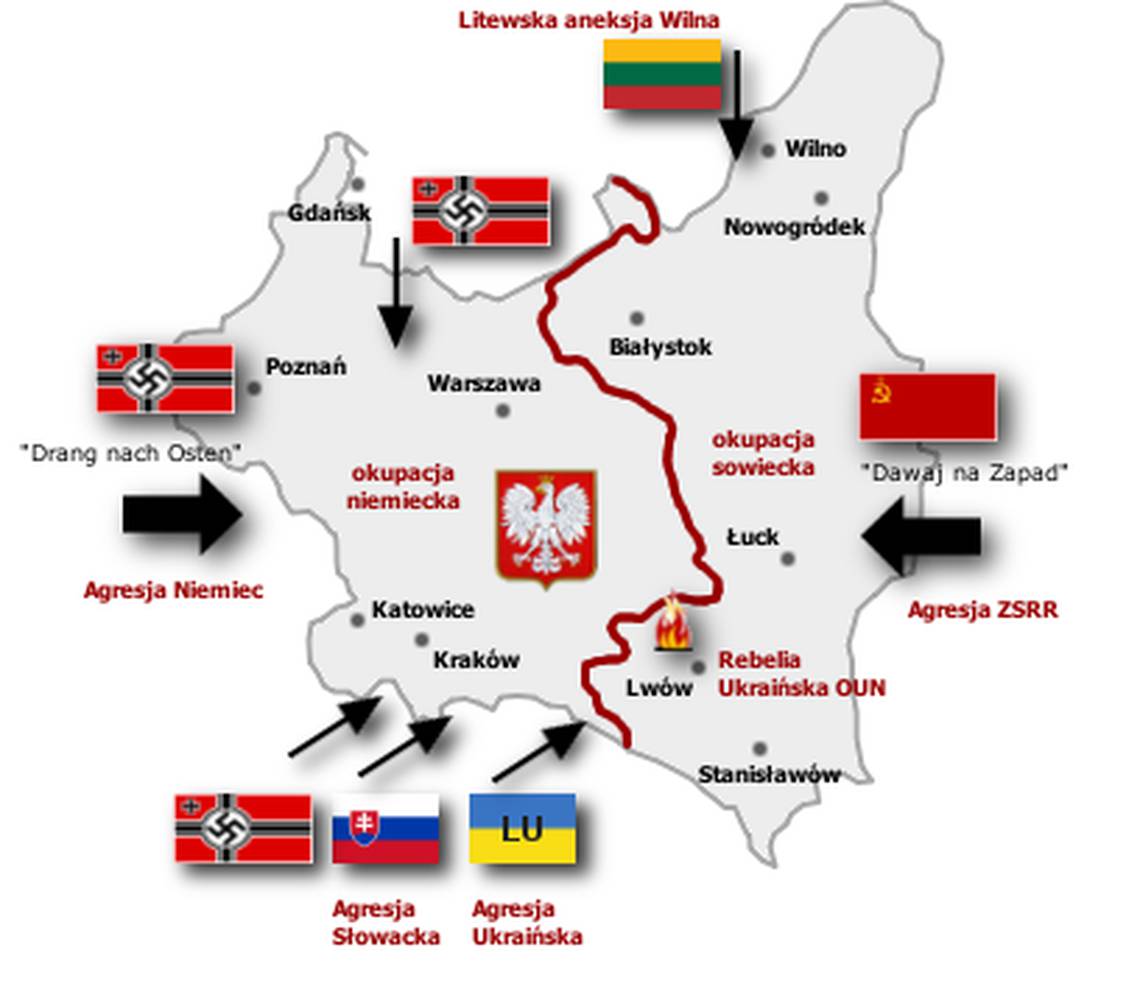
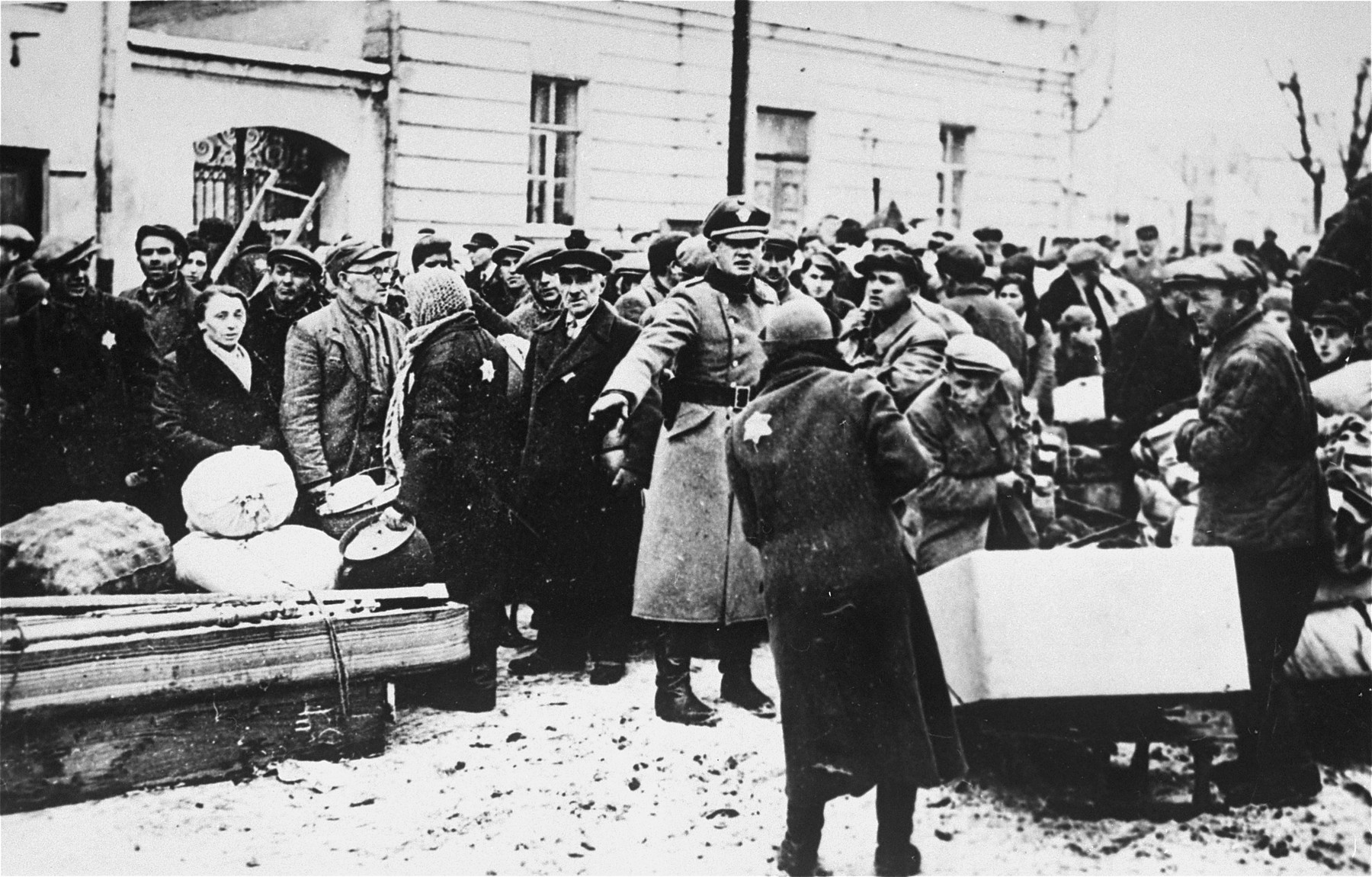
While Soviet propaganda claimed they were liberating Ukrainians and Belarusians, the annexed territories contained millions of ethnic Poles, Jews, Lithuanians, and Czechs. To legitimize the theft, the Soviets staged rigged “elections” in October 1939 for the “People’s Assemblies” of Western Ukraine and Western Belarus. Voters were marched to ballot boxes by armed guards to vote for a single list of candidates. These puppet assemblies then “petitioned” to join the USSR, providing a veneer of legality to the annexation.
9. Soviet Occupation Policies: Terror, Deportation, and Sovietization
9.1. Dismantling the Social Fabric
The Soviet occupation differed fundamentally from the German one. While the Germans focused on racial hierarchy, the Soviets focused on class warfare. The immediate goal was the “decapitation” of Polish society—the removal of anyone who could lead a future resistance or preserve Polish culture.
The Soviet authorities introduced the “passportization” system. All residents were required to accept internal Soviet passports. Refusal meant deportation. The Polish Złoty was banned and replaced by the Ruble at an artificially low exchange rate, wiping out the life savings of the middle class overnight. Shops were nationalized, leading to immediate shortages, while the Red Army and NKVD looted everything from industrial machinery to wristwatches and furniture, shipping them back to Russia.
9.2. The Four Waves of Deportation
The primary tool of Soviet social engineering was mass deportation. The NKVD organized four major waves of forced resettlement to the hostile environments of Siberia, Kazakhstan, and the Arctic Circle.
-
February 10, 1940: Targeted military settlers (osadnicy), foresters, and local officials. approx. 140,000 people.
-
April 13, 1940: Targeted the families of those arrested or executed (mostly women and children) and wealthy peasants. approx. 61,000 people.
-
June 29, 1940: Targeted “refugees” (mostly Jews) who had fled the German zone but refused Soviet citizenship. approx. 78,000 people.
-
June 1941: Targeted intellectuals, skilled workers, and potential political opponents, just days before the German invasion of the USSR.
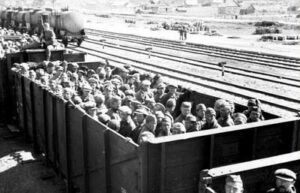
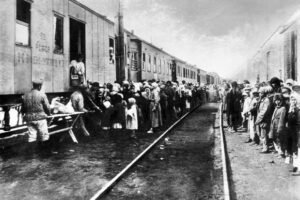
Conditions in the cattle cars were horrific; many died of cold, starvation, or typhus during the weeks-long journey. Those who survived faced slave labor in the Gulag system, logging forests or working in mines.
9.2. Victims of the Soviet Gulag System
The Soviet Gulag system imprisoned not only political opponents but also Polish prisoners of war, Jewish families, and countless civilians swept up by mass arrests during and after the outbreak of World War II. Following the Soviet invasion of eastern Poland in 1939, thousands of Polish officers, soldiers, and intellectuals were detained, while entire Jewish communities from occupied Eastern Europe were deported alongside other perceived “undesirables.” They were transported over vast distances to remote labor camps scattered across Siberia, the Arctic north, Central Asia, and the Urals, often in overcrowded freight cars and with little regard for survival.
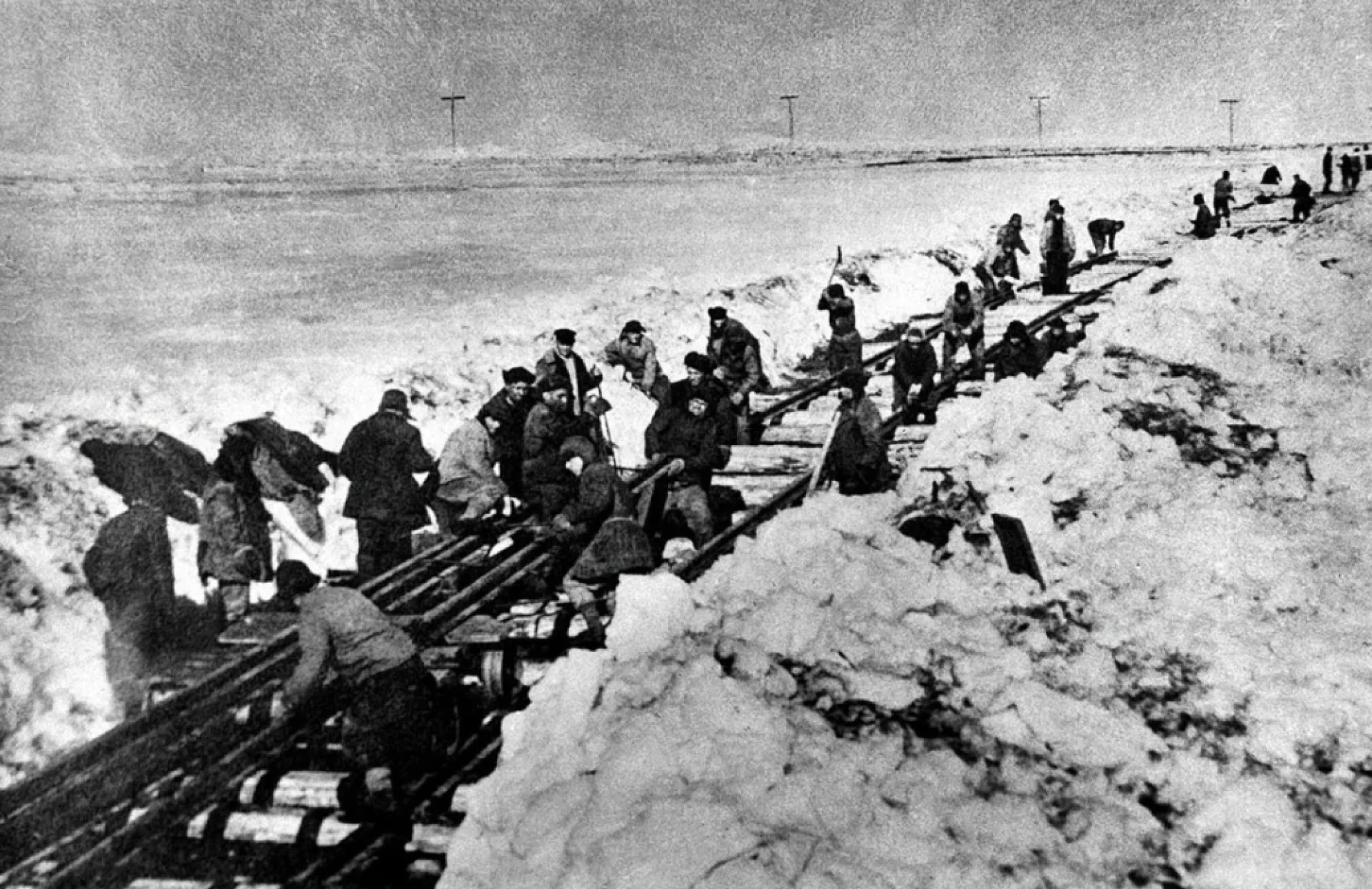
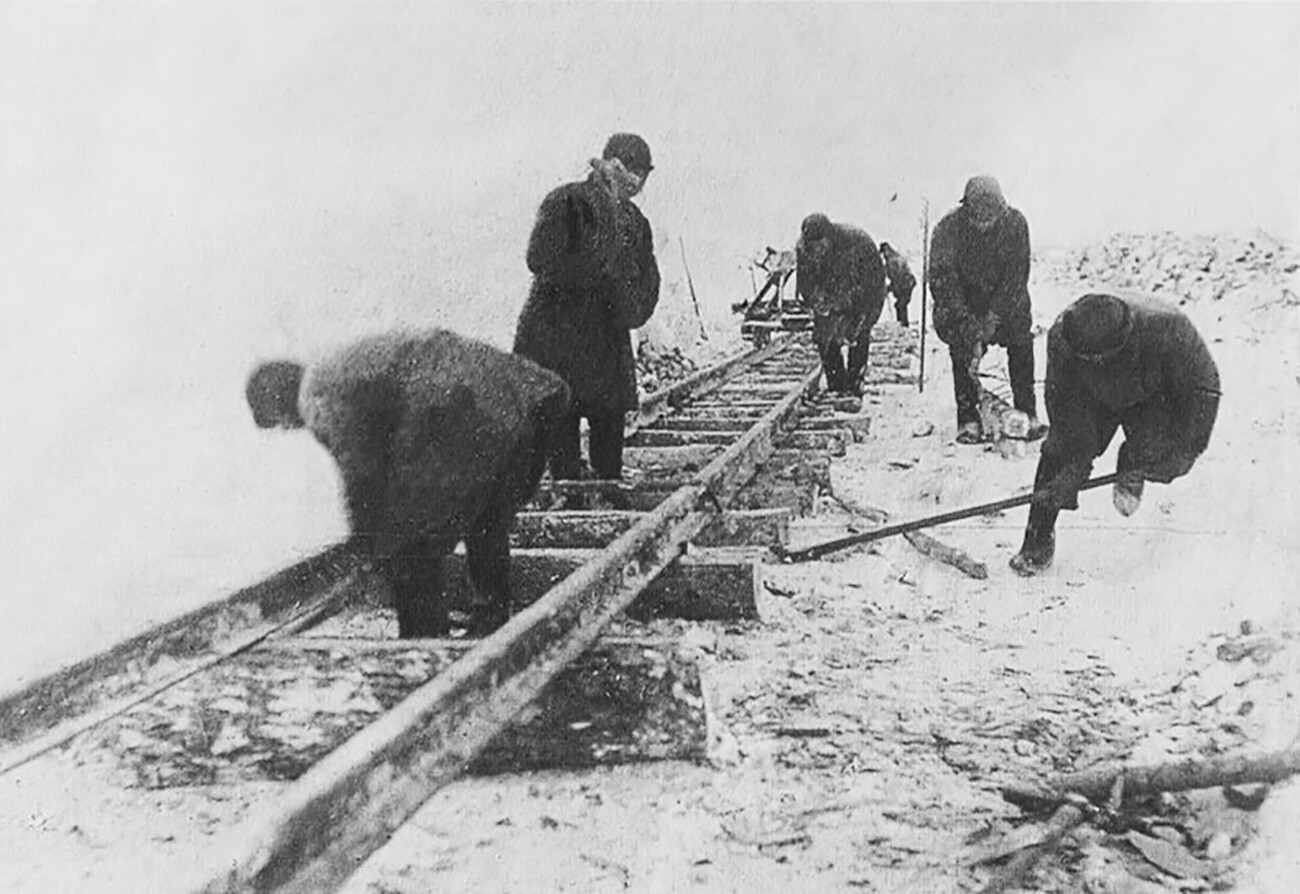
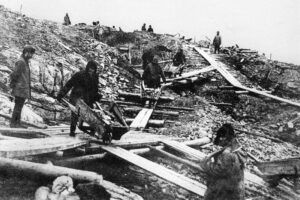
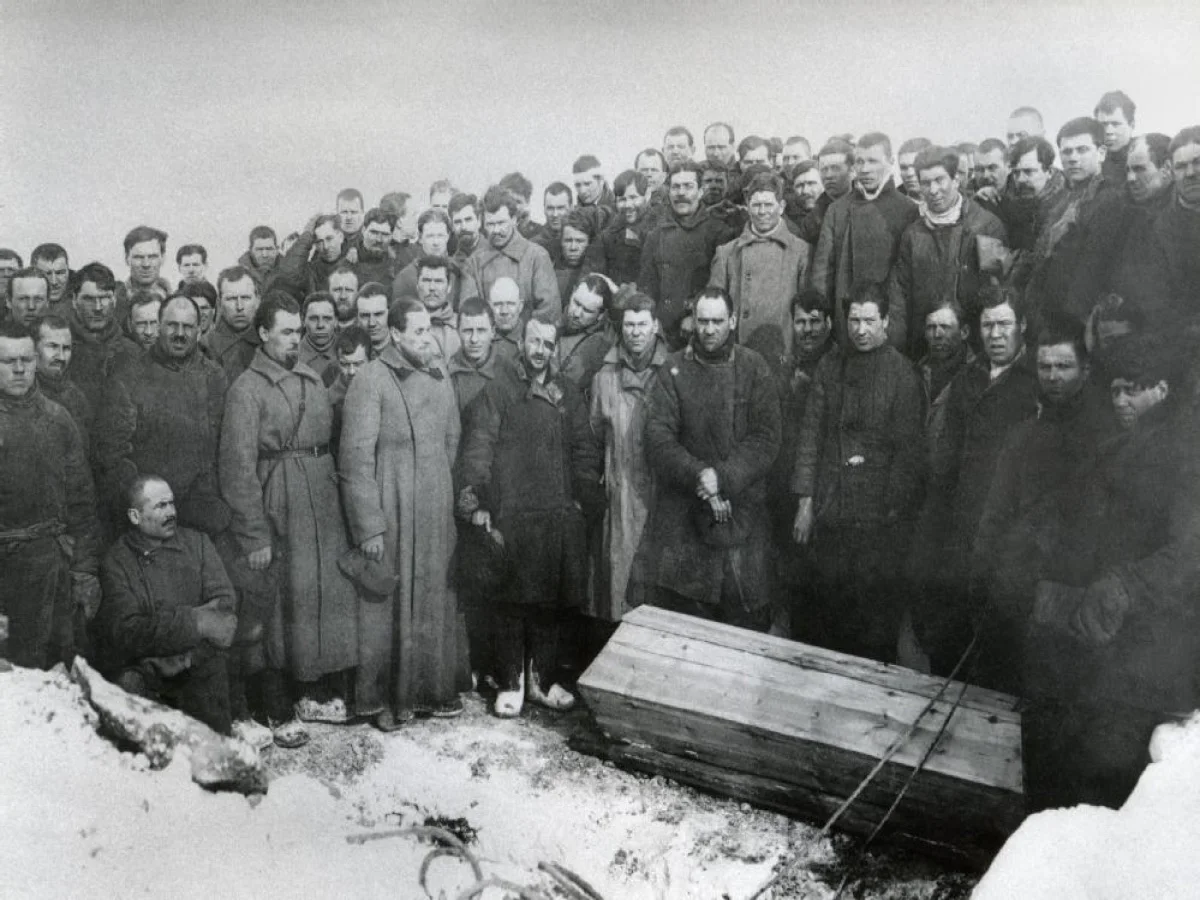
Life inside the Gulag was defined by extreme cold, exhausting forced labor, chronic hunger, disease, and constant violence. Prisoners were compelled to work in mines, forests, and large-scale construction projects under brutal conditions, where death from exposure, malnutrition, or exhaustion was common. Families were frequently separated, with men, women, and children sent to different camps, leaving lasting trauma even among those who survived. For millions, the Gulag was not merely a prison system but a central instrument of Soviet repression—one that destroyed lives, fractured societies, and left an enduring scar on the history of Eastern Europe and the Soviet Union itself.
10. The Katyn Massacre: A Crime Without Precedent
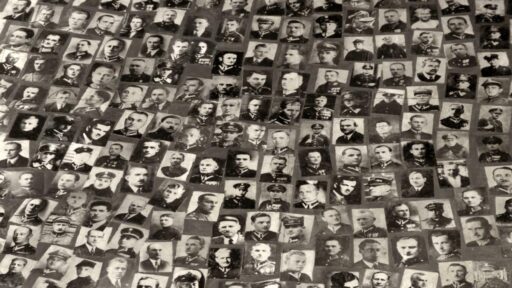
The most infamous atrocity of the Soviet occupation was the Katyn Massacre. Following the 1939 invasion, the Soviets held roughly 22,000 Polish officers, policemen, border guards, and intellectuals in three special camps: Kozelsk, Starobelsk, and Ostashkov.
These men represented the elite of the nation: doctors, lawyers, professors, engineers, and career officers. The Soviet leadership viewed them as “hardened and uncompromising enemies of Soviet authority.” On March 5, 1940, Lavrentiy Beria, head of the NKVD, proposed their execution. Joseph Stalin and the Politburo signed the order (No. 794/B).
In April and May 1940, these prisoners were systematically murdered. The Kozelsk prisoners were shot in the Katyn Forest; Starobelsk prisoners in the NKVD prison in Kharkiv; and Ostashkov prisoners in Kalinin (Tver). The method was brutally efficient: a single shot to the back of the head, often using German Walther pistols supplied to the NKVD, which the Soviets later hoped would help blame the Germans.
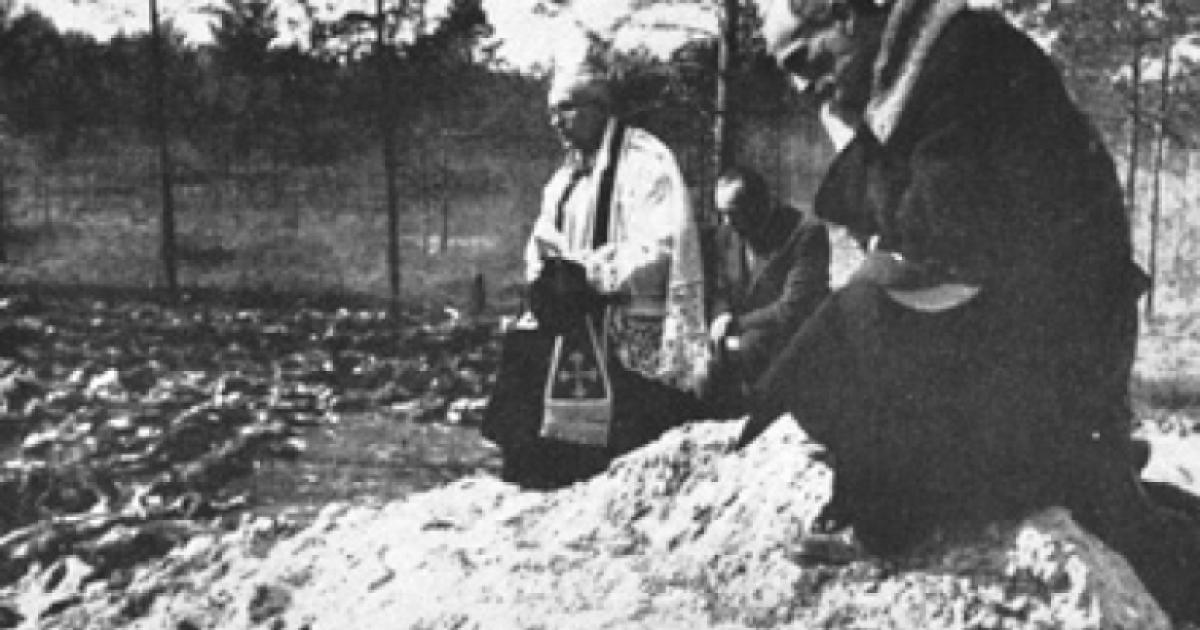
Unfortunately, this crime against humanity—the Katyn Massacre—cannot be displayed on ww2archive.org. However, by clicking the link below, you may bear witness to this painful truth and one of the darkest chapters of World War II.
The Katyn Massacre: https://bit.ly/4pICLJB
The massacre was not just a war crime; it was an act of genocide aimed at destroying the national intellect. For decades, the USSR lied about Katyn, claiming the Nazis committed the crime in 1941. It was only in 1990 that Mikhail Gorbachev admitted Soviet responsibility.
11. International Law and Allied Silence
The Soviet invasion placed the Western Allies in a difficult position. Britain had a Common Defense Pact with Poland, but a secret protocol limited the definition of “aggressor” primarily to Germany. Furthermore, with the fall of France in 1940 and the German invasion of Russia in 1941 (Operation Barbarossa), the UK and USA needed the Soviet Union as an ally against Hitler.
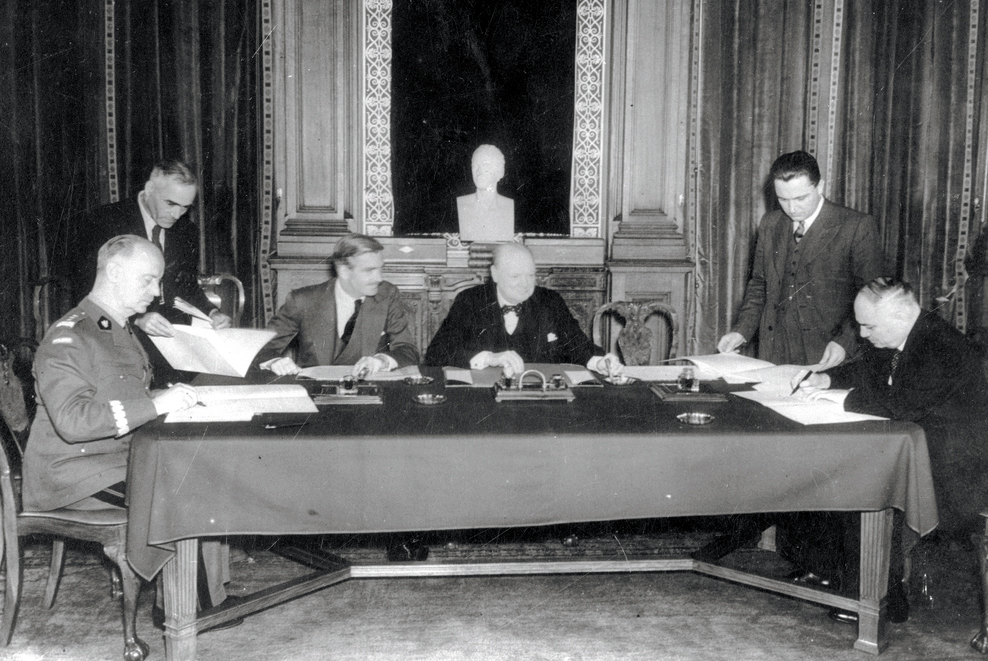
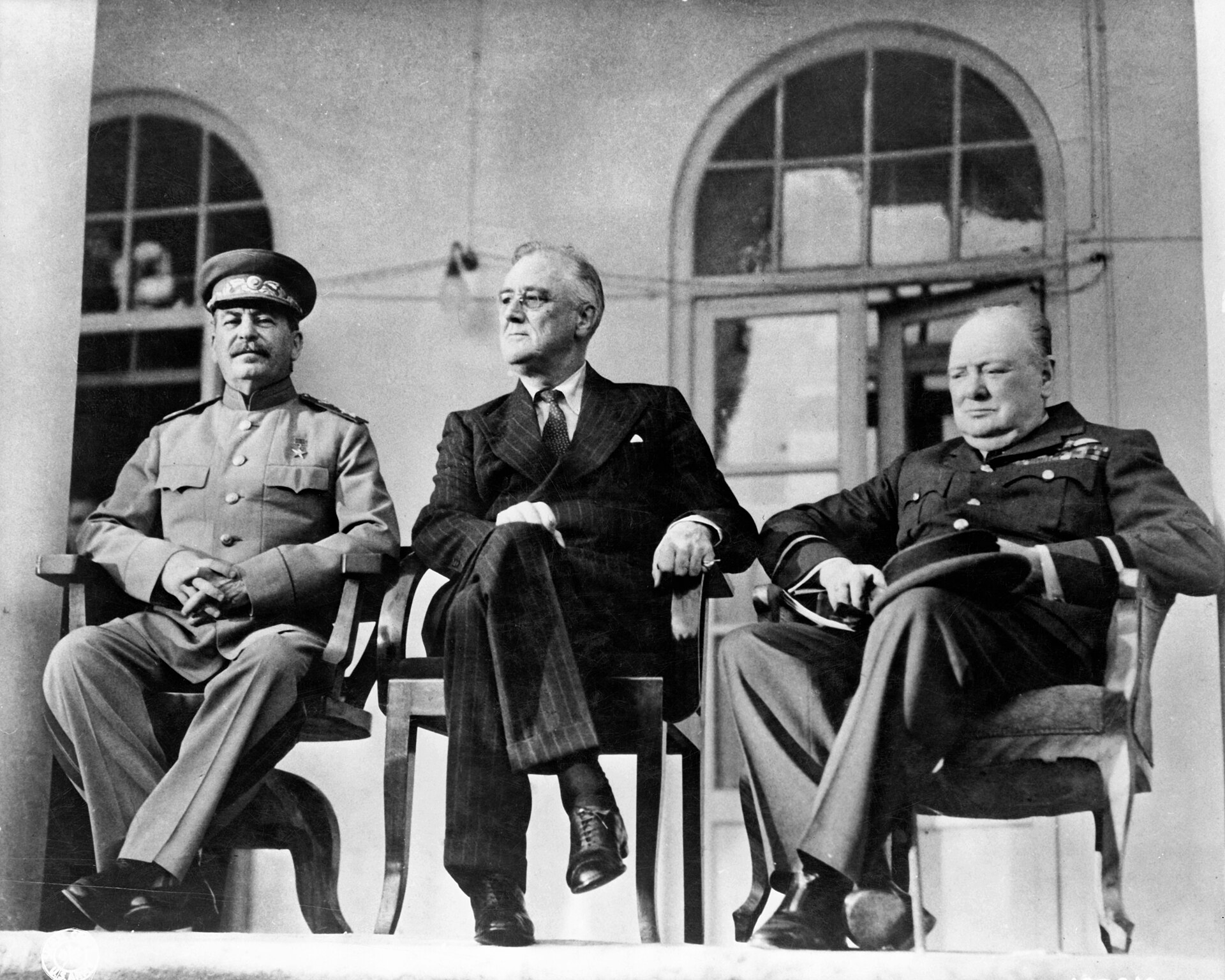
Consequently, the “Polish Question” was frequently sidelined. The Polish Government-in-Exile in London, led by General Władysław Sikorski, eventually had to sign the Sikorski-Mayski Agreement in 1941 to restore diplomatic relations with the USSR and free the surviving prisoners (who would form the Anders’ Army). However, the territories seized in 1939 were never returned. The Tehran and Yalta conferences later confirmed that the eastern borders of postwar Poland would roughly follow the line of the 1939 Soviet invasion (the Curzon Line), legitimizing Stalin’s conquest.
12. Conclusion: The Forgotten Half and Long-Term Legacy
September 17, 1939, is the “forgotten half” of the tragedy that befell Poland. While the German invasion is universally recognized as the start of WWII, the Soviet invasion was an integral component of the catastrophe. It proved that totalitarian regimes, regardless of their ideological packaging, shared a common DNA of imperial aggression and disregard for human rights.
The legacy of the Soviet entry is profound. It decimated the Polish elite through Katyn and the deportations, creating a vacuum that facilitated the imposition of a communist puppet government after 1945. It shifted Poland’s geography permanently westward. Most importantly, it serves as a stark historical lesson on the vulnerability of nations caught between great powers and the fluid, often cynical nature of international alliances. For the Polish people, the “stab in the back” remains a defining trauma of their national memory, a symbol of the double apocalypse they endured during the Second World War.
References and Further Reading
-
Book: Davies, Norman. God’s Playground: A History of Poland, Vol. 2: 1795 to the Present. Oxford University Press.
-
Book: Snyder, Timothy. Bloodlands: Europe Between Hitler and Stalin. Basic Books.
-
Book: Gross, Jan T. Revolution from Abroad: The Soviet Conquest of Poland’s Western Ukraine and Western Belorussia. Princeton University Press.
-
Book: Zaloga, Steven J. Poland 1939: The Birth of Blitzkrieg. Osprey Publishing.
-
Book: Moorhouse, Roger. Poland 1939: The Outbreak of World War II. Basic Books.
-
Book/Academic: Cienciala, Anna M., Lebedeva, N. S., & Materski, W. Katyn: A Crime Without Punishment. Yale University Press (Project MUSE).
-
Archive: The Avalon Project. Nazi-Soviet Relations 1939-1941: Documents from the Archives of the German Foreign Office. Yale Law School.
-
Article: Institute of National Remembrance (IPN). Anniversary of the Soviet aggression on Poland from 17 September 1939.
-
Museum Object: Imperial War Museums (IWM). The Nazi-Soviet Non-Aggression Pact (The Ribbentrop-Molotov Pact).
-
Archive: Wilson Center Digital Archive. Molotov-Ribbentrop Pact Documents.
-
Book: Sword, Keith. The Soviet Takeover of the Polish Eastern Provinces, 1939–41. Palgrave Macmillan (National Library of Australia Catalog).