Blitzkrieg

10 posts

Wings of the Blitzkrieg: The Luftwaffe’s Operational Supremacy and Strategic Overreach, 1939–1940

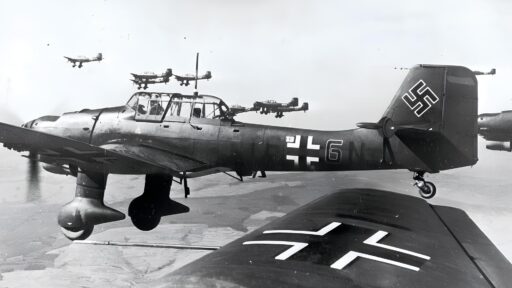
Between 1939 and 1940, the Luftwaffe became the world’s leading tactical air force through integrated air–ground doctrine and precision strike. Yet its success concealed strategic weaknesses: no heavy bombers, weak intelligence, and limited endurance—flaws exposed when tactical brilliance in France collapsed into strategic failure over Britain
Intelligence Failures and Missed Opportunities

Despite Enigma intercepts, insider warnings, and awareness of the Manstein Plan, Allied intelligence failed to act due to bias, bureaucratic fragmentation, and World War I assumptions. As a result, warnings like the Mechelen Affair and Black Orchestra alerts were ignored, leading the Allies blindly into Germany’s 1940 trap.

Phoney War & Western Inactivity

The so-called Phoney War of 1939–1940 was not idle calm but a decisive preparation phase. While Britain and France relied on static defense and blockade, Germany reworked doctrine, mobilized industry, and refined the Manstein Plan, setting the stage for France’s rapid collapse.

Polish Armed Forces and Strategic Limitations

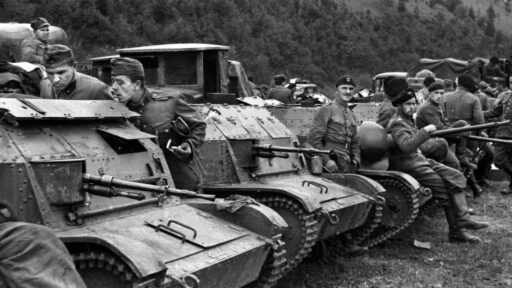
Poland’s defeat in 1939 cannot be reduced to numerical inferiority, but resulted from geography, economic limits, diplomatic isolation, and strategic encirclement. Caught between two expansionist powers using overwhelming and complementary strategies, the Polish Armed Forces were defeated despite determined resistance.

Blitzkrieg Doctrine: Theory vs Practice

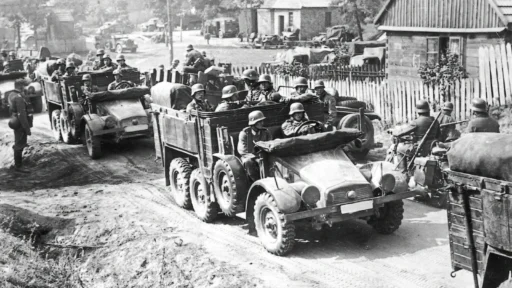
Blitzkrieg is widely cited as a revolutionary German doctrine combining tanks, aircraft, and motorized infantry for rapid victory. Modern historiography, however, argues it was never a formal doctrine, but an improvised operational method shaped by circumstances, institutional culture, and material limitations during the war period