
The collapse of Poland in September 1939 is often explained through numbers alone—tanks counted against tanks, aircraft against aircraft. Yet such comparisons obscure a far more complex reality. The Polish Armed Forces did not fall simply because they were weak or outdated, but because they were trapped by geography, constrained by economics, undermined by diplomatic failure, and confronted by two expansionist powers employing radically different but equally overwhelming strategies.
This article examines the structure, doctrine, and limitations of the Polish Armed Forces on the eve of World War II. It explores not only what Poland possessed, but what it lacked—and why those limitations proved fatal in the face of German Blitzkrieg and Soviet opportunism.
1. A Reborn Army in a Hostile World
The modern Polish Armed Forces were born in 1918 alongside the rebirth of the Polish state itself. After 123 years of partition among Germany, Russia, and Austria-Hungary, Poland re-emerged as a sovereign nation with no unified military tradition. Its army was hastily assembled from veterans of three former imperial armies, each trained under different doctrines, languages, and command cultures.
During the interwar period, Poland faced almost constant security anxiety. Its borders stretched over 5,000 kilometers and touched hostile or revisionist neighbors on nearly every side. Germany sought to overturn Versailles, the Soviet Union rejected Poland’s independence outright, and smaller neighbors such as Lithuania and Czechoslovakia had unresolved territorial disputes.
Despite these pressures, Poland’s economy—largely agrarian and still recovering from World War I—could not sustain the level of military modernization required to counter both Germany and the USSR simultaneously.
2. Strategic Geography: Poland’s Greatest Enemy
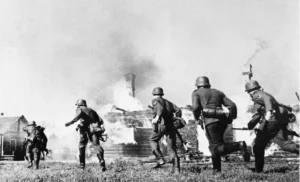
Poland’s geography was perhaps its most severe strategic disadvantage. The country lacked natural defensive barriers such as mountain ranges or major rivers along its western and northern borders. The Polish-German frontier ran across open plains ideally suited for armored warfare.
Even more problematic was the existence of East Prussia, a heavily militarized German exclave north of Poland. In the event of war, German forces stationed there could strike south toward Warsaw, while armies in Silesia advanced northward—creating a classic pincer movement.
Polish planners were acutely aware of this vulnerability. However, abandoning border regions without a fight was politically unacceptable. Cities such as Poznań, Katowice, and Gdynia held economic and symbolic importance, forcing Polish forces to deploy forward rather than consolidate defensively.
3. Force Structure of the Polish Armed Forces
The Polish Army (Wojsko Polskie)
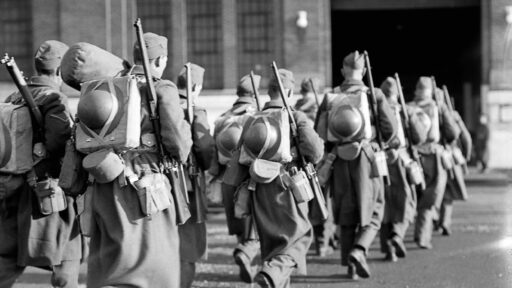
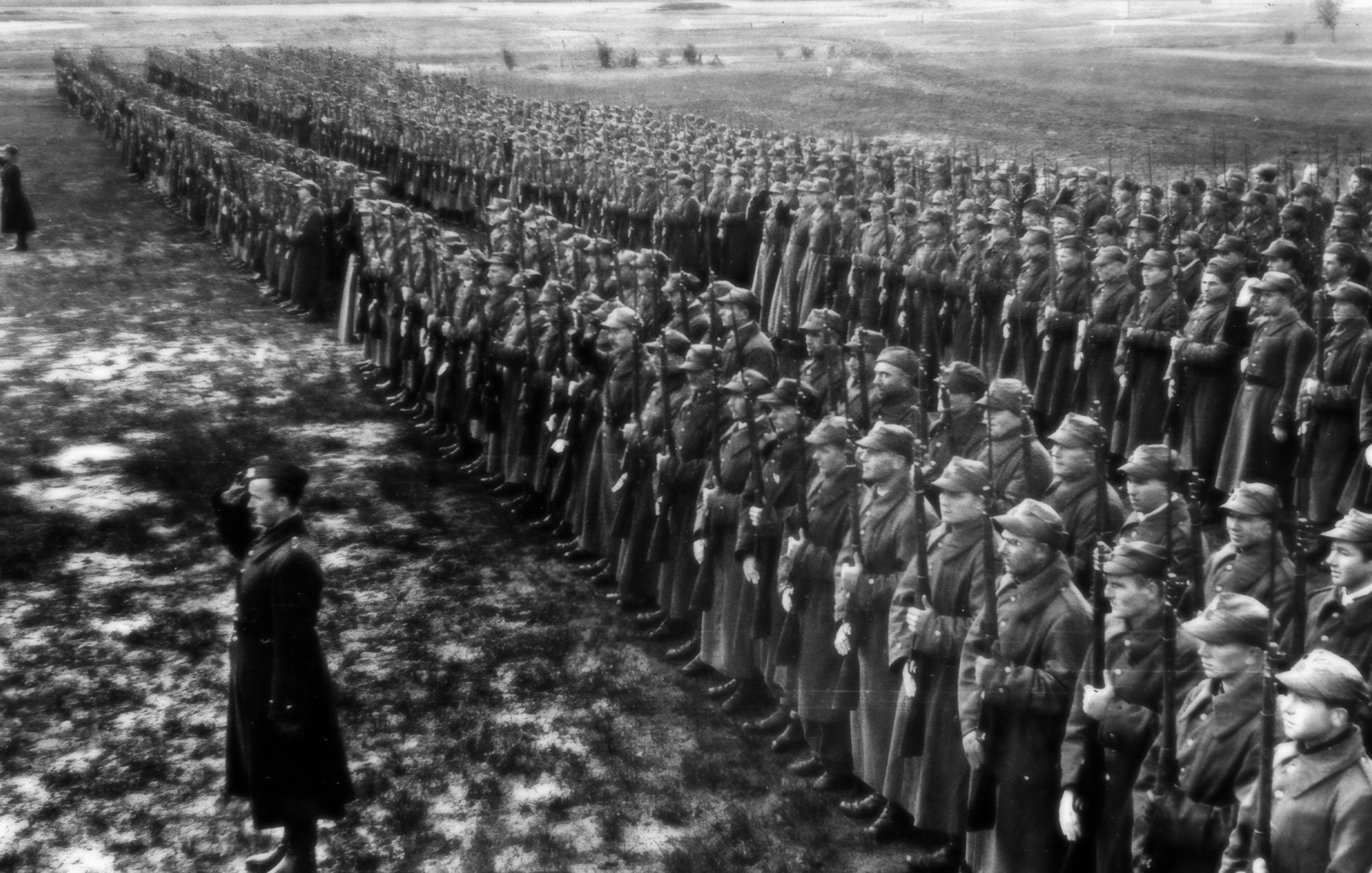
By September 1939, Poland had mobilized approximately one million soldiers, though full mobilization was never completed due to diplomatic pressure from Britain and France, who feared provoking Germany.
The army consisted of:
- 30 infantry divisions
- 11 cavalry brigades
- Several independent operational groups
While Polish infantry were well-trained and disciplined, they relied heavily on foot mobility and horse-drawn logistics. Mechanization existed, but on a limited scale.
Armored Forces
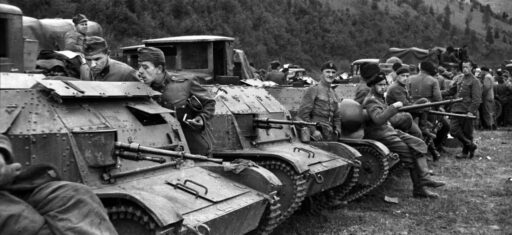
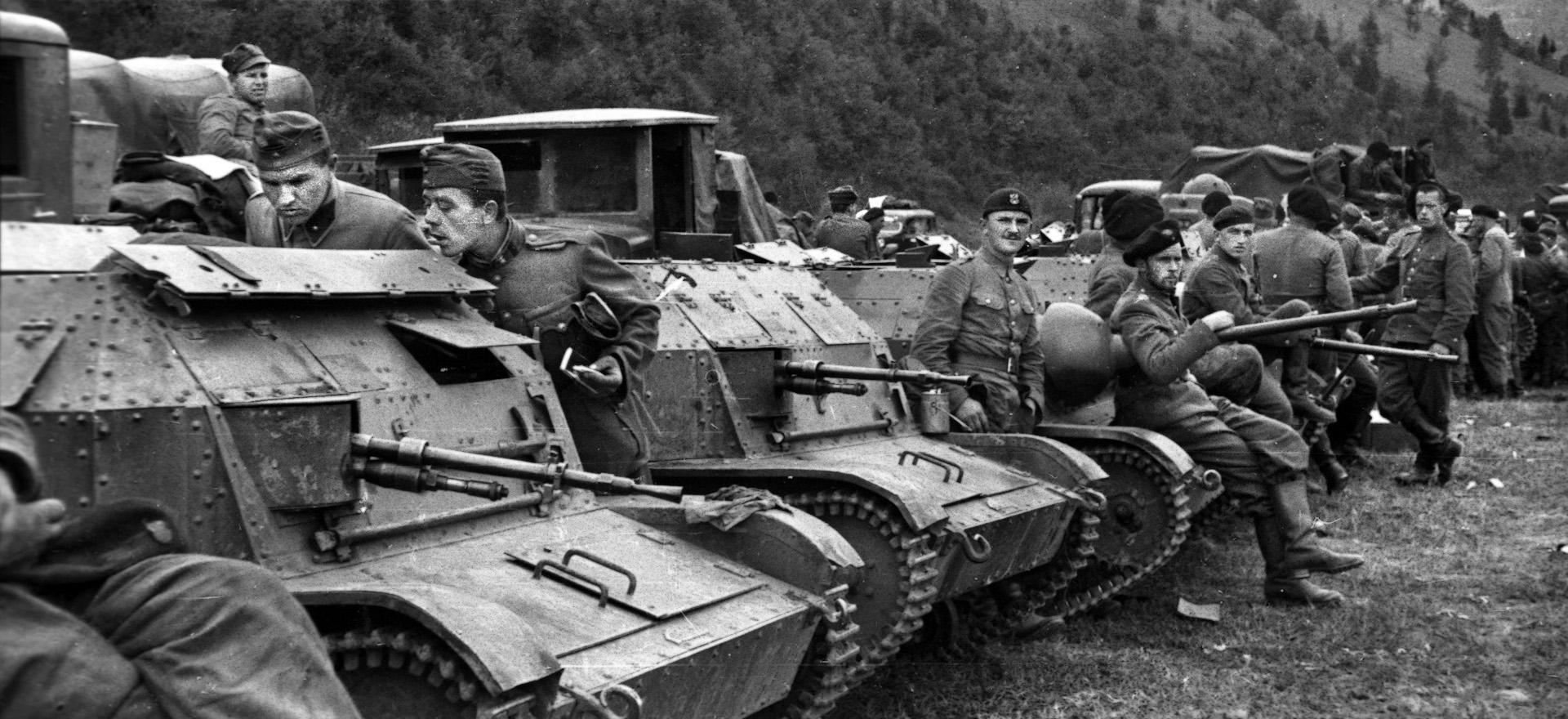
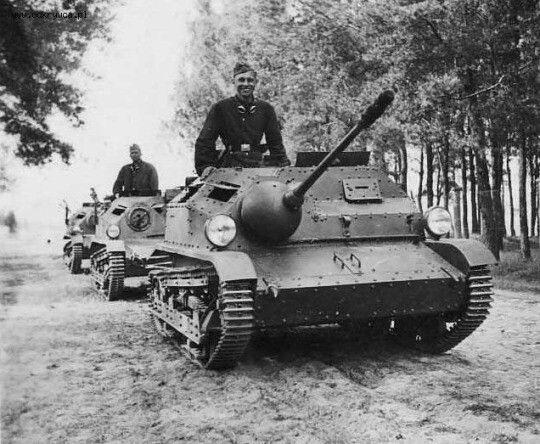
Poland possessed roughly 880 armored vehicles, most of which were lightly armored tankettes such as the TK-3 and TKS. These vehicles were designed primarily for reconnaissance and infantry support, not tank-on-tank combat.
In isolated engagements, Polish anti-tank guns proved effective against early German Panzers. However, the absence of large armored formations prevented Poland from conducting mobile counteroffensives.
4. The Cavalry Myth and the Reality of Polish Doctrine
Perhaps no myth has been more enduring—or more misleading—than the claim that Polish cavalry charged German tanks with sabers. In reality, Polish cavalry functioned as mobile infantry, using horses for rapid movement and fighting dismounted.
Polish cavalry units were well-trained, flexible, and effective against infantry. However, they were increasingly vulnerable to air attack and armored breakthroughs.
The real doctrinal weakness was not cavalry, but the absence of a unified operational doctrine equivalent to Germany’s Blitzkrieg. Polish doctrine emphasized holding ground and delaying actions rather than deep maneuver warfare.
5. The Polish Air Force: Courage Without Cover
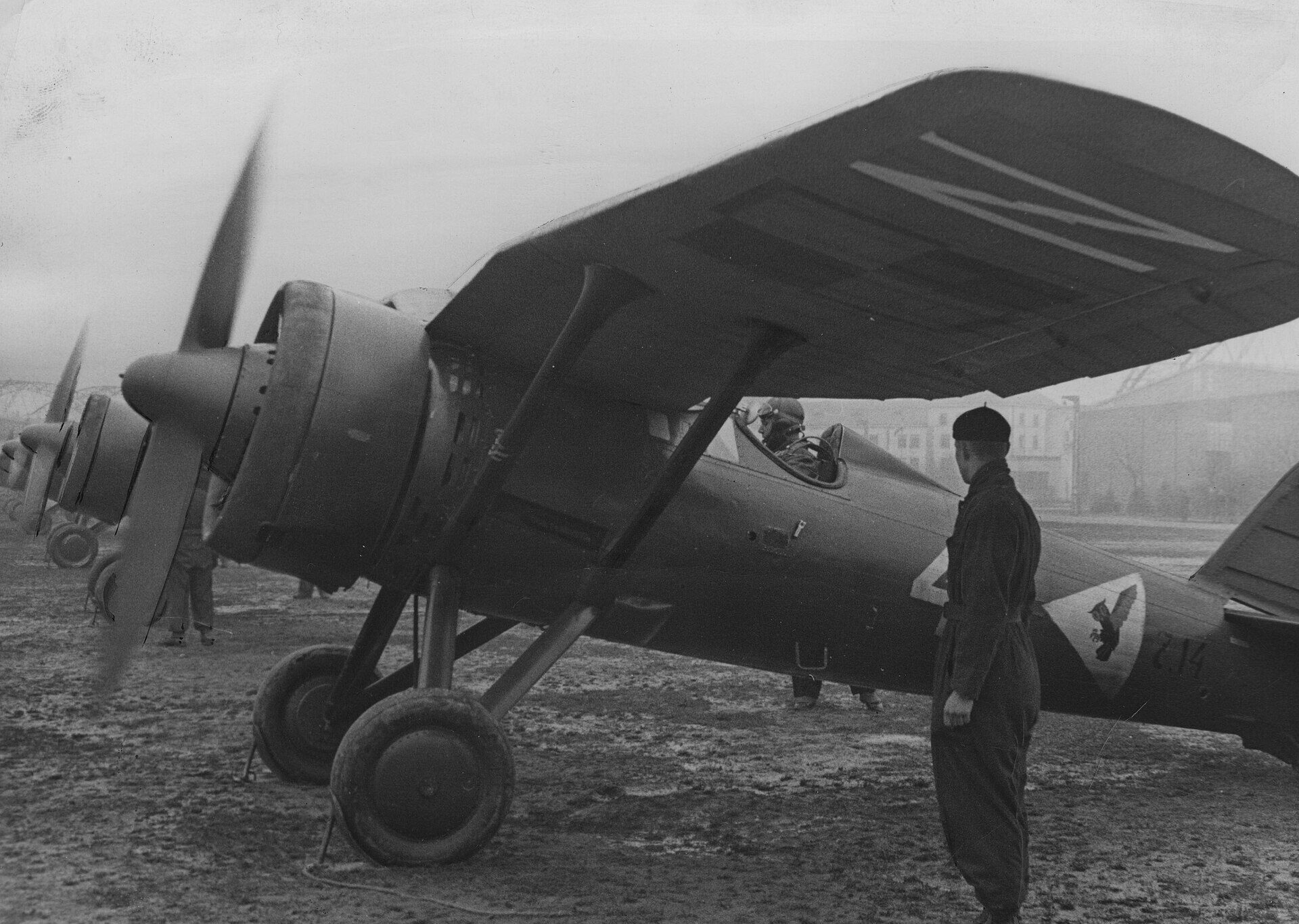
The Polish Air Force entered the war with approximately 400 aircraft, many of them outdated by 1939 standards. Fighters such as the PZL P.11 were highly maneuverable but significantly slower than German Messerschmitt Bf 109s.
Despite these disadvantages, Polish pilots achieved notable successes in the opening days of the campaign. However, German air superiority quickly became overwhelming.
Poland lacked:
- Adequate radar and early-warning systems
- Sufficient airfield protection
- The industrial capacity to replace losses
6. Logistics, Industry, and Mobilization Failures
Modern warfare depends not only on weapons, but on logistics. Poland’s industrial base was concentrated in the west—precisely where German attacks were heaviest. The Central Industrial Region, designed to remedy this vulnerability, was still incomplete in 1939.
Rail networks were insufficient for rapid redeployment, and supply lines were highly vulnerable to air attack. Communication relied heavily on telephone lines, which the Luftwaffe systematically destroyed.
Poland’s partial mobilization left many units understrength or still in transit when hostilities began.
7. Command, Communications, and Strategic Isolation
Polish command structures were rigid and centralized, reflecting World War I-era thinking. German forces, by contrast, emphasized initiative at lower command levels, enabled by widespread radio use.
Once Polish headquarters lost contact with front-line units, coordinated defense became nearly impossible. Strategic isolation compounded operational failures.
8. Fighting Two Enemies: The Ultimate Strategic Failure
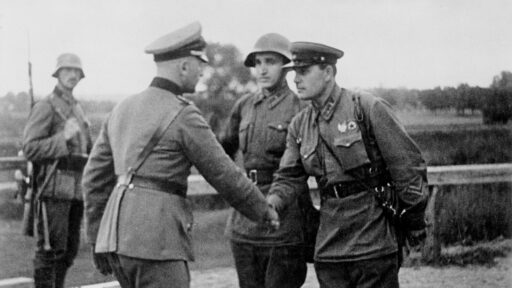
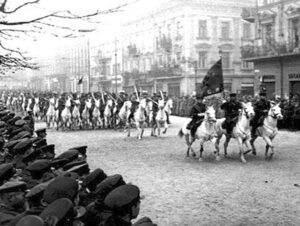
Even with perfect preparation, Poland could not realistically defeat both Germany and the Soviet Union simultaneously. Polish war plans assumed Soviet neutrality—a fatal assumption shattered on September 17, 1939.
The Soviet invasion transformed defeat into annihilation. Remaining reserves were cut off, retreat routes collapsed, and any prospect of prolonged resistance vanished.
9. What Poland Did Right
Despite defeat, Poland demonstrated significant strengths:
- High troop morale
- Effective small-unit leadership
- Successful local counterattacks (notably at the Bzura)
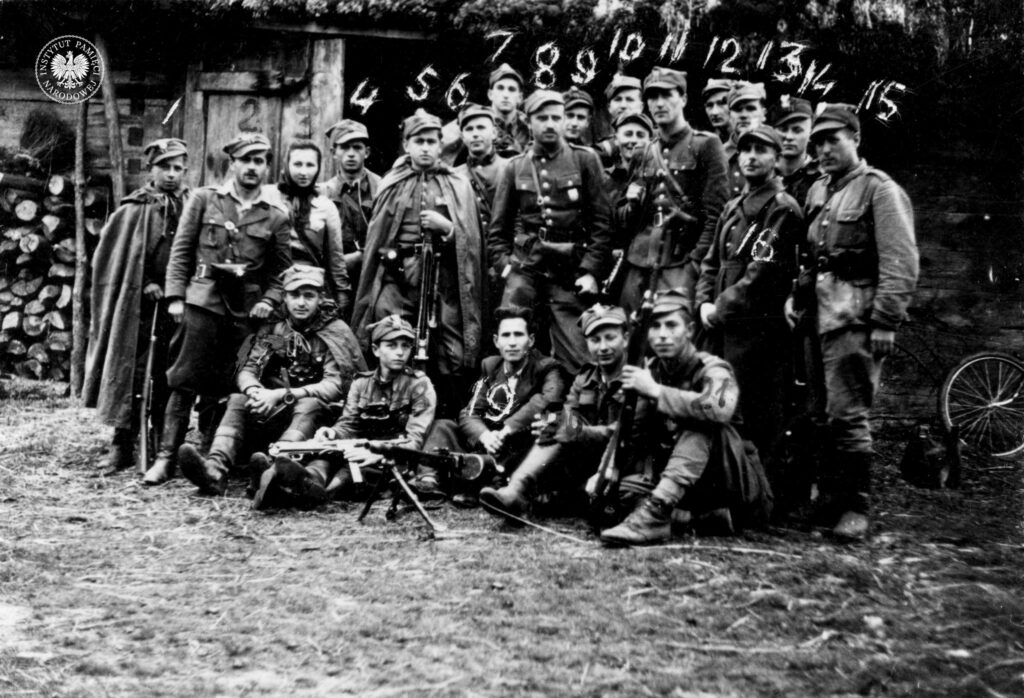
- The rapid transition to underground resistance
These qualities ensured that Poland remained an active belligerent throughout World War II, despite occupation.
10. Conclusion: Limitations, Not Incompetence
The Polish Armed Forces of 1939 were not incompetent, nor were they obsolete in spirit. They were constrained by strategic geography, economic limitations, diplomatic isolation, and overwhelming odds.
Poland did not lose because it failed to fight—but because it was asked to fight the impossible. Its defeat stands as a lesson in the decisive importance of strategy, alliances, and preparation in modern warfare.
Reference Links
For the preparation of this content and for those wishing to read further, the following reliable sources were used:
- Invasion of Poland – Britannica (main overview)
https://www.britannica.com/event/Invasion-of-Poland - The Invasion of Poland (National WWII Museum)
https://www.nationalww2museum.org/war/articles/invasion-poland-september-1939 - Invasion of Poland – USHMM (Holocaust Encyclopedia)
https://encyclopedia.ushmm.org/narrative/2103/en - Armies of the Polish military forces in 1939 – Virtual Shtetl
https://sztetl.org.pl/en/glossary/armies-polish-military-forces-1939 - Polish military forces details (WW2 Weapons reference page)
https://www.ww2-weapons.com/polish-armed-forces/