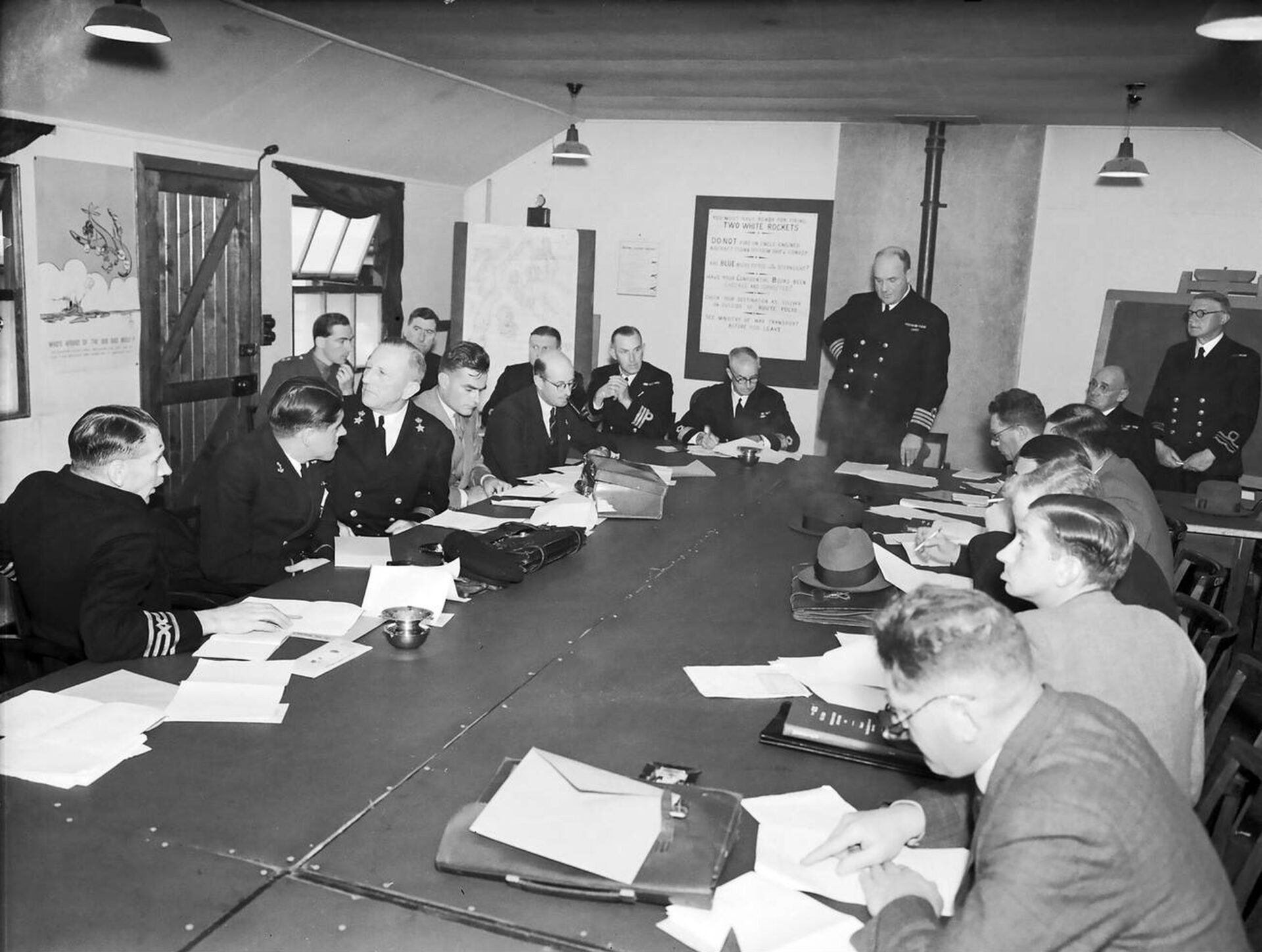
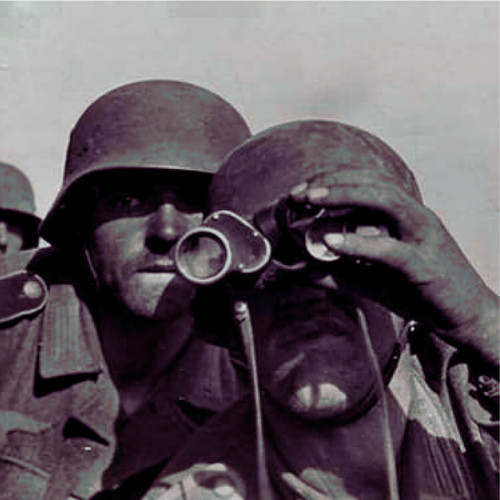
The Battle of the Atlantic was the longest continuous military campaign of the Second World War, stretching from September 1939 until the defeat of Nazi Germany in May 1945. More than a single battle, it was a vast, complex struggle for control of the sea lanes connecting North America and the British Empire to Europe. Its outcome determined whether Britain would survive, whether the Soviet Union would continue receiving aid, and whether the Allied invasion of Western Europe would ever be possible.
Unlike the dramatic land battles of Normandy or Stalingrad, the Battle of the Atlantic was largely invisible to the public eye. It unfolded across thousands of miles of open ocean, in brutal weather, through convoy routes, submarine ambushes, and relentless technological competition. Merchant sailors, naval crews, airmen, and codebreakers all played decisive roles in what became a true war of endurance.
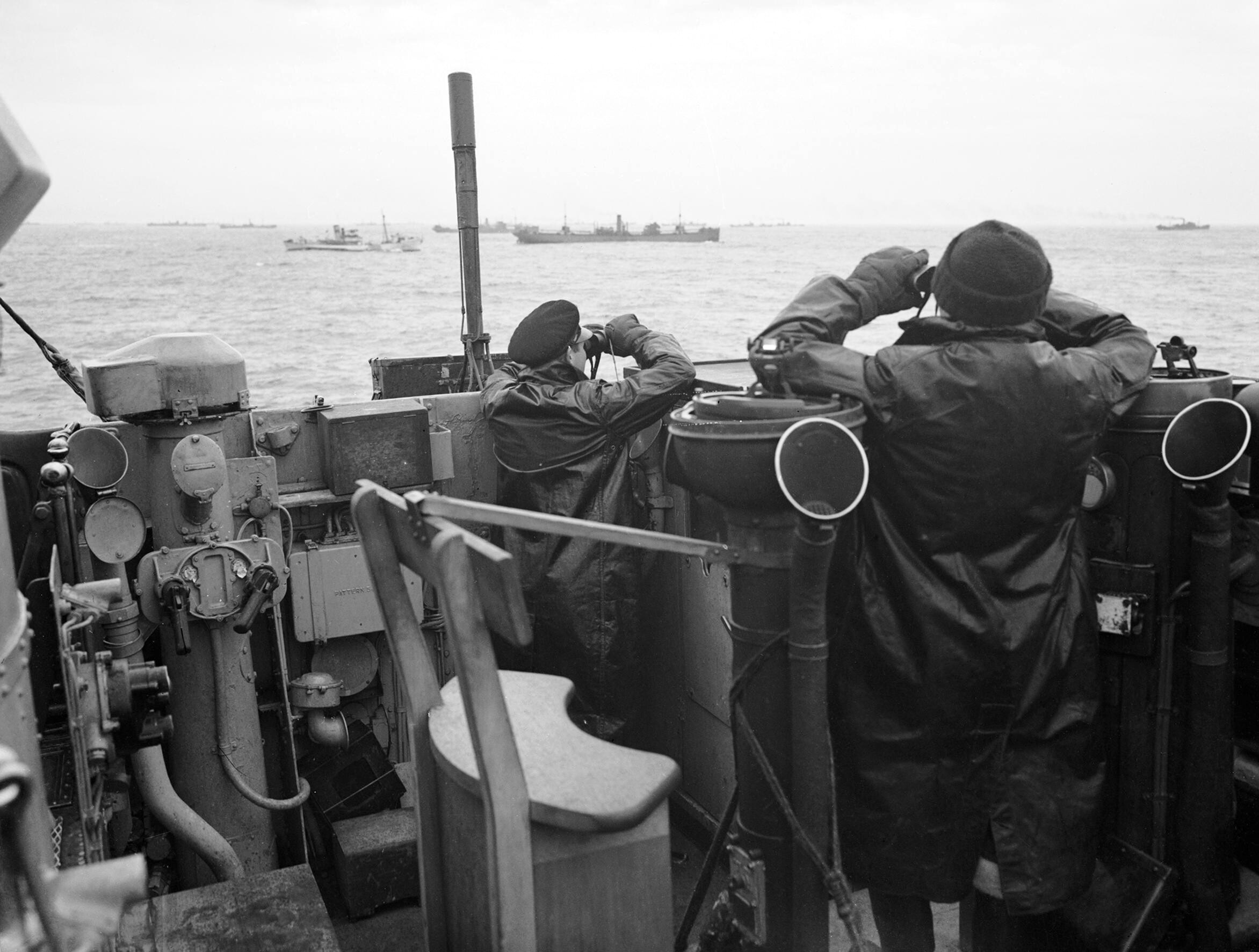
The Strategic Importance of the Atlantic
For Britain, the Atlantic was a lifeline. As an island nation with limited domestic resources, the United Kingdom depended heavily on imported food, fuel, raw materials, and weapons. Without secure shipping lanes, Britain could not sustain its population or wage modern industrial war.
Germany recognized this vulnerability early. Instead of attempting a direct invasion, German naval strategists aimed to cut Britain off from the world, forcing surrender through economic strangulation. The Atlantic thus became a battlefield where logistics mattered as much as firepower.
For the Allies, maintaining open sea lanes allowed:
- Continuous supply of food and fuel to Britain
- Transfer of American industrial output to Europe
- Movement of troops and equipment for future offensives
For the Axis, disrupting these routes promised strategic victory without needing decisive land battles.
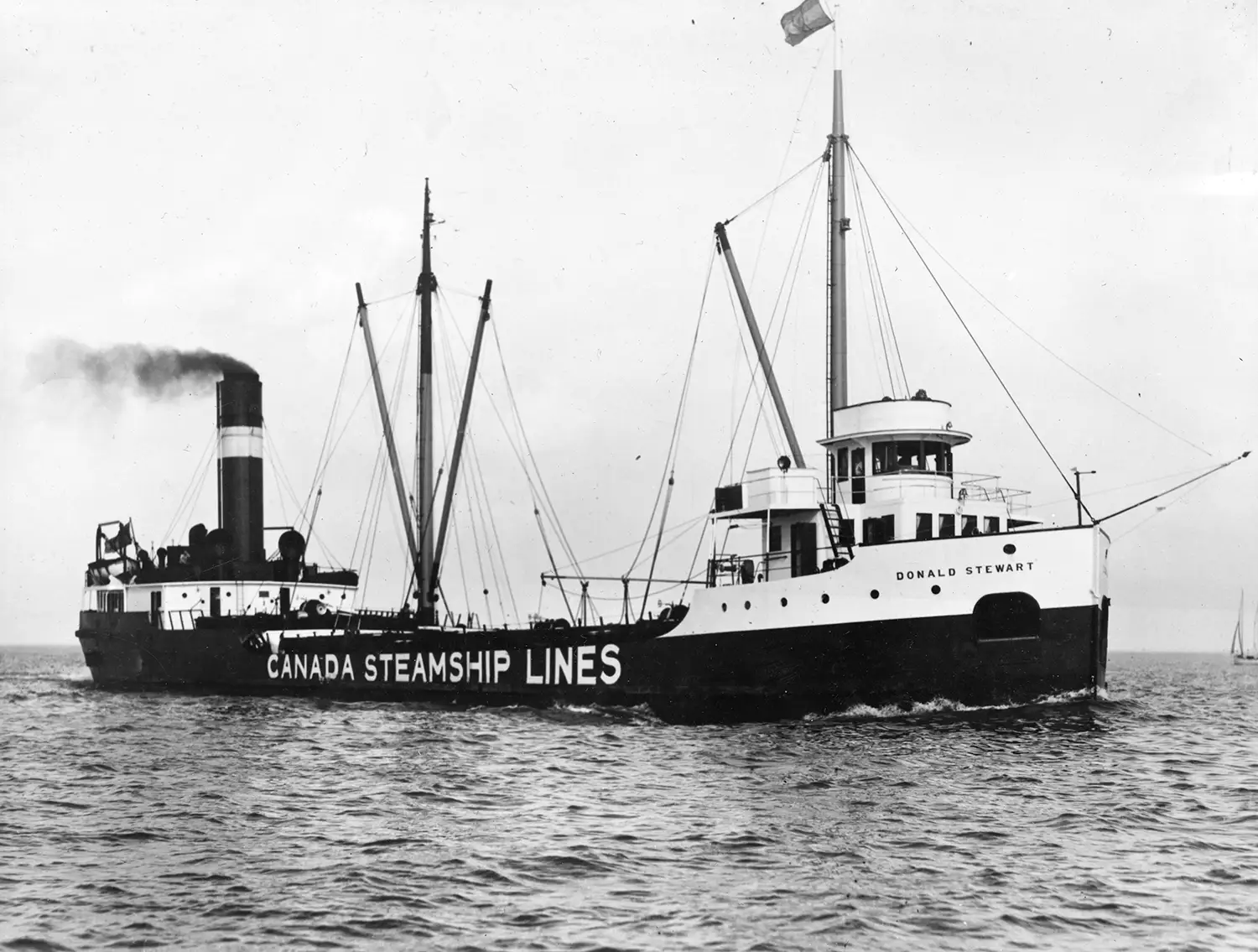
Early Phase (1939–1941): A War Britain Was Losing
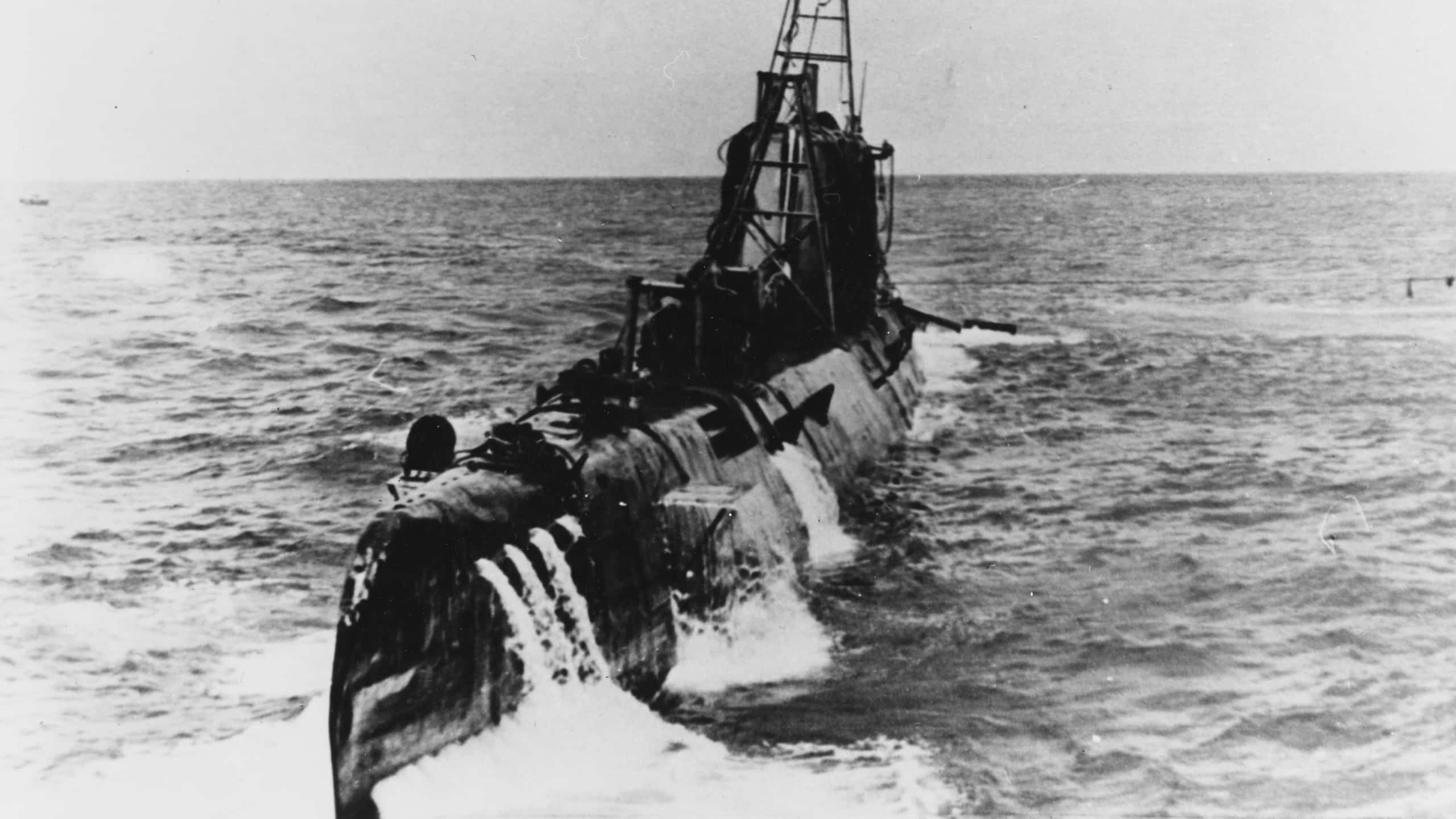
When war began in 1939, Germany possessed a relatively small surface fleet but invested heavily in submarines, known as U-boats. These submarines were well-suited to Atlantic warfare: stealthy, deadly, and capable of operating far from German bases.
In the early years, Allied anti-submarine defenses were weak. Convoy systems were inconsistently applied, air cover was limited, and detection technologies were primitive. German U-boats exploited these weaknesses mercilessly.
Merchant ships were often sunk without warning, leaving crews stranded in freezing waters. Losses mounted rapidly, and Britain faced a genuine risk of collapse by 1941.
Convoy Warfare: The Backbone of Survival
The convoy system became the cornerstone of Allied strategy. Rather than allowing merchant ships to sail independently, vessels traveled in tightly organized groups protected by warships.
Convoys offered several advantages:
- Concentrated defensive firepower
- Reduced probability of detection
- Improved coordination between escorts
However, early convoy escorts were limited in number and capability. Many destroyers lacked effective sonar, and escort vessels often had insufficient fuel range to accompany convoys across the entire Atlantic.
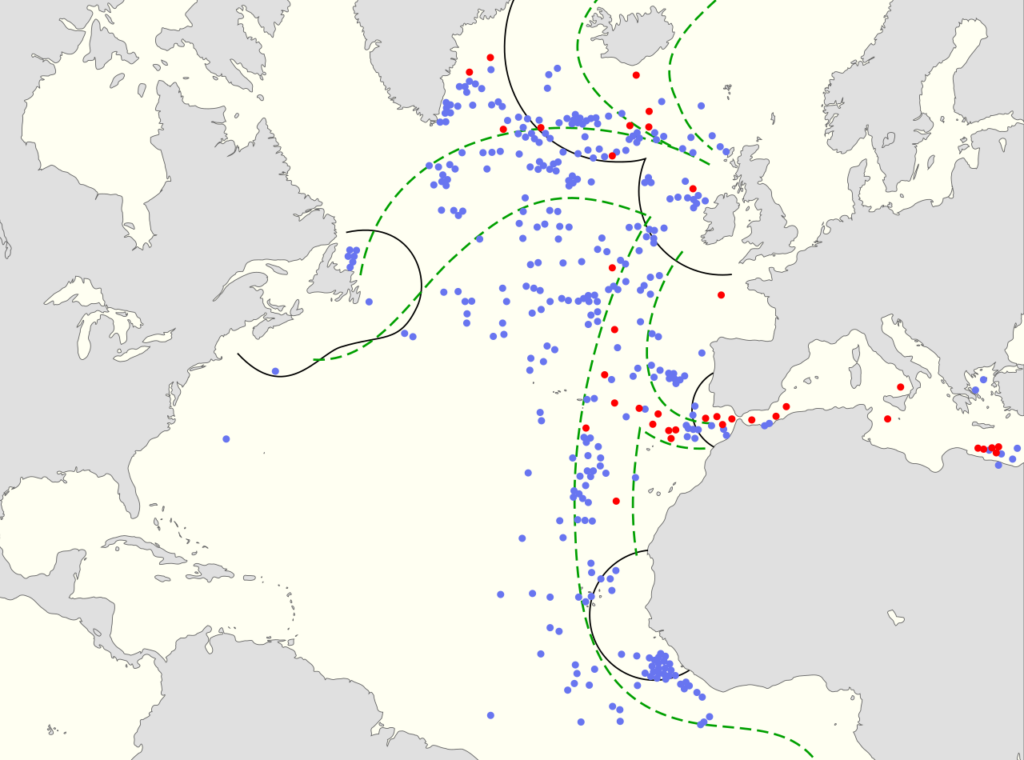
The most dangerous area was known as the “Mid-Atlantic Gap”, where Allied aircraft could not provide air cover. This gap became a killing ground for U-boats until long-range patrol aircraft were introduced.
The Role of Technology and Innovation
The Battle of the Atlantic was as much a technological war as a naval one. Victory depended on innovation, adaptation, and intelligence.
Key Allied Innovations
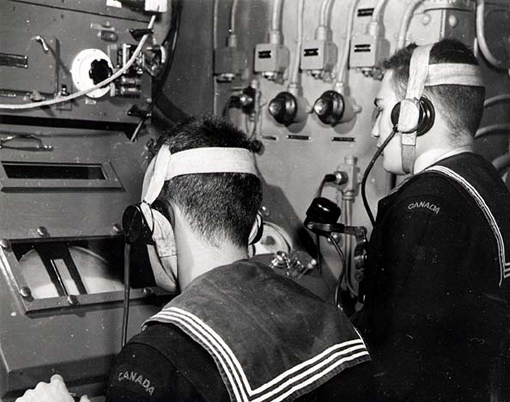
- Sonar (ASDIC): Allowed detection of submerged submarines
- Radar: Improved detection of surfaced U-boats at night
- Depth Charges: Evolved into more effective anti-submarine weapons
- Escort Carriers: Provided air cover where land-based aircraft could not
German Countermeasures
- Improved torpedoes
- Wolfpack tactics (group submarine attacks)
- Radar-detection receivers
This constant cycle of adaptation turned the Atlantic into a laboratory of modern naval warfare.
Codebreaking and Intelligence: The Hidden War
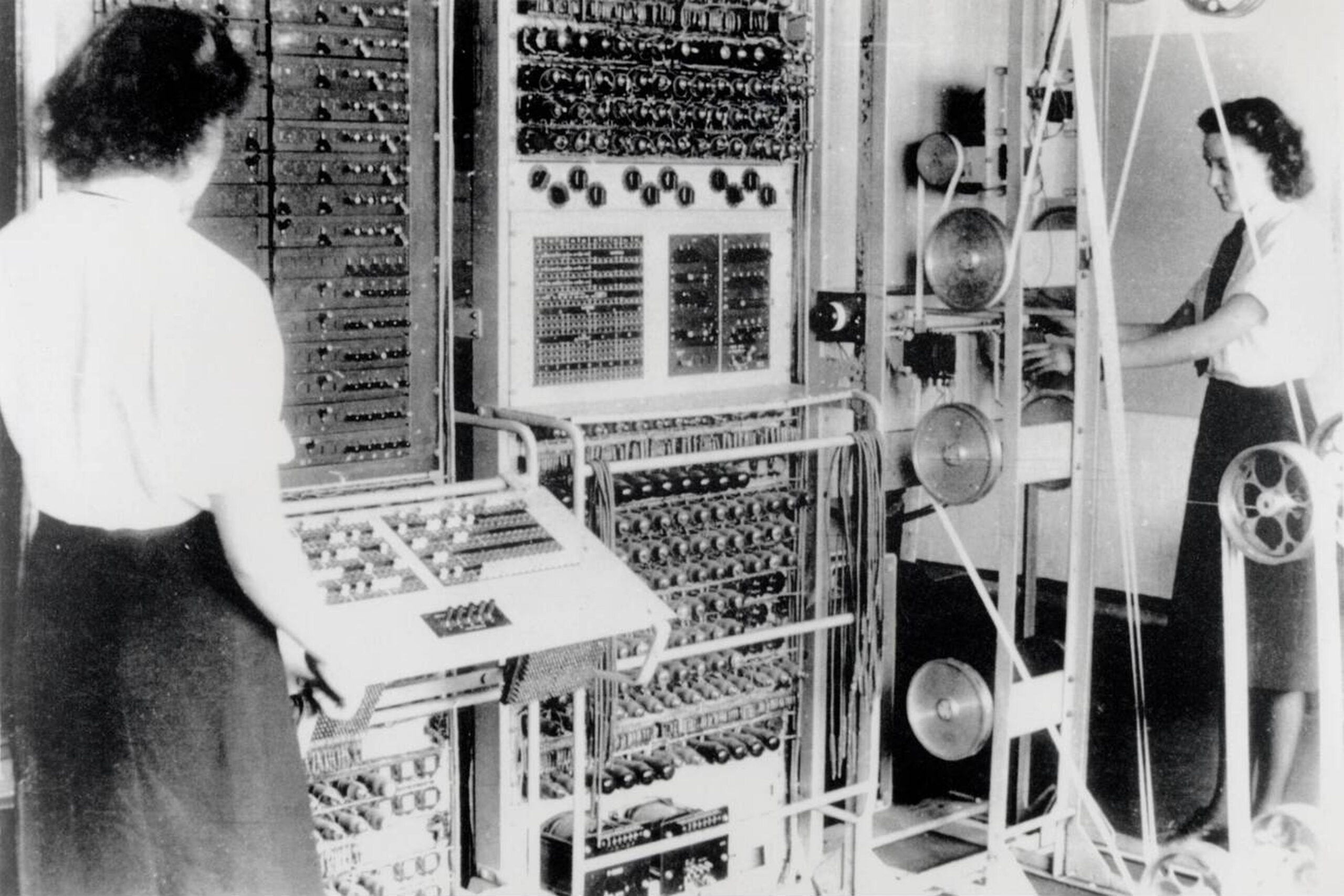
One of the most decisive factors in the Battle of the Atlantic was intelligence, particularly codebreaking. German naval communications relied on encrypted messages, which—once deciphered—allowed the Allies to reroute convoys away from U-boat concentrations.
Intelligence successes reduced shipping losses dramatically, even when submarine numbers increased. However, this advantage had to remain secret; the Allies could not act too obviously without revealing their knowledge.
This silent battle of minds shortened the war and saved countless lives.
American Entry and Industrial Power
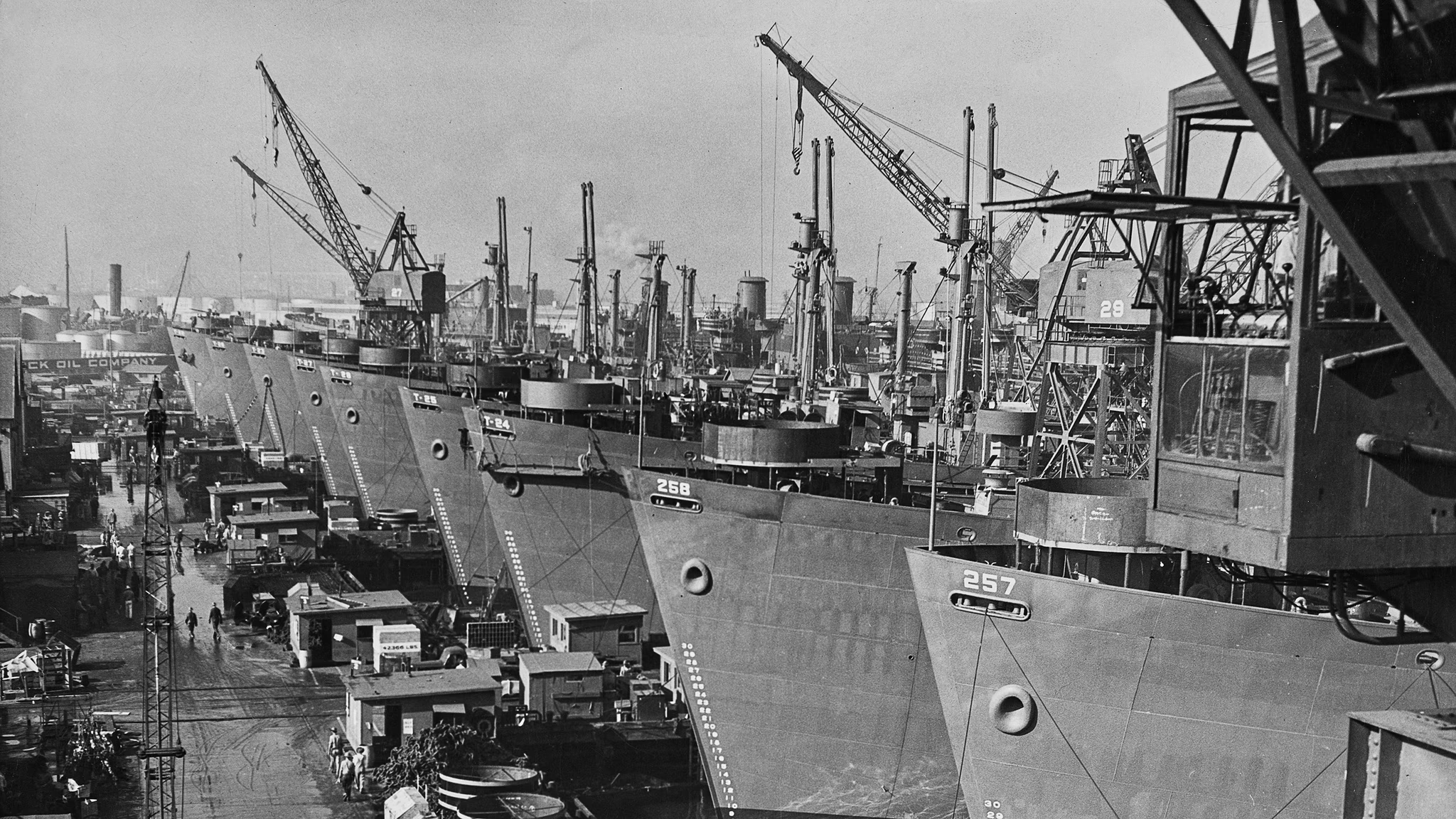
Before officially entering the war, the United States already played a crucial role by supplying Britain. After 1941, American naval and industrial strength transformed the Atlantic conflict.
The U.S. introduced:
- Mass-produced escort ships
- Improved anti-submarine training
- Vast shipbuilding programs
Merchant vessels were built faster than U-boats could sink them. The balance slowly but decisively shifted.
The Human Cost
The Battle of the Atlantic was one of the deadliest campaigns of the war. Thousands of sailors—merchant and naval alike—lost their lives, often with little recognition.
Survivors faced:
- Extreme cold
- Long isolation
- Psychological strain
Merchant sailors, in particular, endured enormous risks with minimal protection, making their contribution vital yet frequently overlooked.
Turning the Tide (1943)
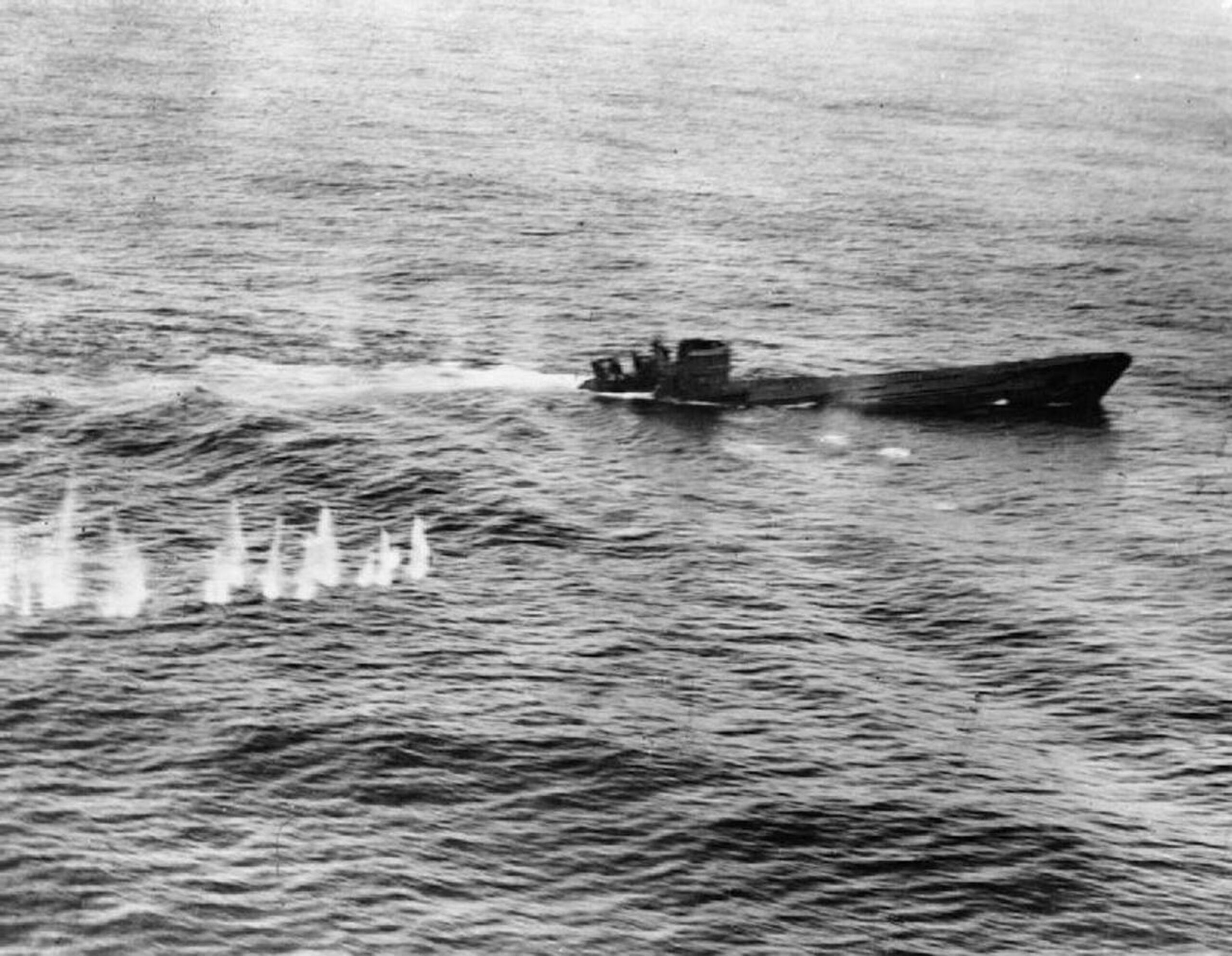
By 1943, Allied technological, industrial, and organizational advantages became overwhelming. U-boat losses rose sharply, while shipping losses declined.
Germany could no longer replace trained crews or submarines fast enough. The Atlantic lanes were secured, enabling:
- Large-scale troop movements
- Stockpiling of invasion supplies
- Preparation for the liberation of Europe
From this point onward, Allied victory was inevitable.
Why the Battle of the Atlantic Matters
Without victory in the Atlantic:
- Britain would have been starved into surrender
- The Soviet Union might have collapsed
- D-Day would have been impossible
The Battle of the Atlantic was not glamorous, but it was foundational. It proved that modern war is won not only by battles, but by logistics, intelligence, and endurance.
Conclusion
The Battle of the Atlantic was a global struggle beneath the waves, fought by sailors, engineers, analysts, and factory workers. It shaped the outcome of World War II more than any single land battle. Its lessons—about supply chains, technology, and coalition warfare—remain relevant today.
Understanding this campaign is essential to understanding how the Allies won the war.
References
- https://www.iwm.org.uk/history/what-was-the-battle-of-the-atlantic
- https://www.nationalww2museum.org/war/articles/battle-atlantic
- https://www.britannica.com/event/Battle-of-the-Atlantic
- https://www.history.navy.mil/browse-by-topic/wars-conflicts-and-operations/world-war-ii/atlantic.html
- https://www.archives.gov/research/military/ww2/navy/atlantic
- https://www.bbc.co.uk/history/worldwars/wwtwo/battle_atlantic_01.shtml
- https://www.history.com/topics/world-war-ii/battle-of-the-atlantic
- https://www.naval-history.net/WW2CampaignsAtlantic.htm
- https://www.jstor.org/stable/2639754
- https://www.usni.org/magazines/naval-history-magazine/2018/december/battle-atlantic
- https://www.cambridge.org/core/books/battle-of-the-atlantic/